
AFAM: Hello Swan and Benoît, thanks for agreeing to answer our questions. Could you please tell us a few words about you?
Benoît: Hello! I’m currently a second-year student at the Paris campus, enrolled in the US track, through which I’m applying to American universities in Mechanical Engineering. I would like to work in energy production, especially on thermofluid systems.
Swan: Hello! I’m also a second-year student (Me 225) on the Paris campus following the US track. I am particularly interested in machine learning, artificial intelligence, and data engineering.
AFAM: you’ve both recently pursued an internship at University of Cincinnati. Could you please tell us a bit more about this internship and your mission?
Benoît: Swan and I both joined the Upper Airway Biomechanics Lab, supervised by Dr. Charles Farbos de Luzan, who is a Gadz as well. We each worked on a different project. Mine focused on particle tracking in videofluoroscopy recordings, which are X-ray videos of healthy patients swallowing. Using Python and deep learning tools, I developed methods to follow the movement of the swallowed liquid and of anatomical landmarks from frame to frame. The long-term goal of this research is to better understand how swallowing works, in order to identify the causes of swallowing disorders (dysphagia).
Swan: For my part, my research focused on quantitative biomarker extraction from high-speed digital imaging (HSDI) for tracheoesophageal speech assessment. Practically, I used Python to process videos recorded at 4,000 frames per second. The goal was to analyze the Glottal Area Waveform (GAW) and extract acoustic and biomechanical signals to better support vocal rehabilitation for patients.
AFAM: what kind of difficulties did you face before you started your internship (your internship search, visa process, your arrival to the US)?
Benoît: The main challenge was the visa process. Getting an appointment at the U.S. Embassy took some patience, and the interview itself requires listening carefully to the consular officer and following each step of the procedure precisely. Apart from that, everything went smoothly on my side. We were lucky to get this internship with Charles, and the lab welcomed us very well.
Swan: Just like Benoît, the visa process required a lot of rigor and planning ahead. For the internship search itself, we were fortunate to rely on the school's network. Once there, the integration happened very naturally: Charles, along with researchers Liran Oren and Ephraim Gutmark, immediately included us in a highly stimulating research environment.
AFAM: you’ve been living in Cincinnati for two summer months. Could you please tell us more about your life there. Have you been living on campus? What did you do outside of your work?
Benoît: I didn’t live on campus, but in a shared house in Clifton, the neighborhood right next to the university. I was lucky to have great roommates, and we played tennis together three times a week. Since we didn’t have a car, we didn’t do many activities outside the university, but the campus offers excellent facilities, so we made the most of them.
Swan: I shared that exact same daily! Living in Eden Avenue was not that ideal. Not having a car pushed us to fully utilize the campus's excellent sports facilities. Our regular gym and basketball sessions were perfect for unwinding after long days of coding or data analysis, while still allowing us to fully experience American student life.
AFAM: Could you share anything about your future plans? In what way did your past internship influence your future endeavors?
Benoît: This internship confirmed my wish to work in research-oriented engineering. Through the US track, I’m applying for a Master of Science in Mechanical Engineering with a thesis, focusing on fluid mechanics and energy. In the long term, I see myself working in the energy sector. Cincinnati taught me to work autonomously on an open research problem and to collaborate with researchers and clinicians from very different backgrounds. Thanks again, Charles!
Swan: This internship was decisive because it allowed me to apply my programming and data processing skills to a complex medical challenge. I am currently preparing my applications for Master of Science programs in the US. Ultimately, I plan to specialize in developing AI architectures and predictive modeling.
AFAM: Thank you both!
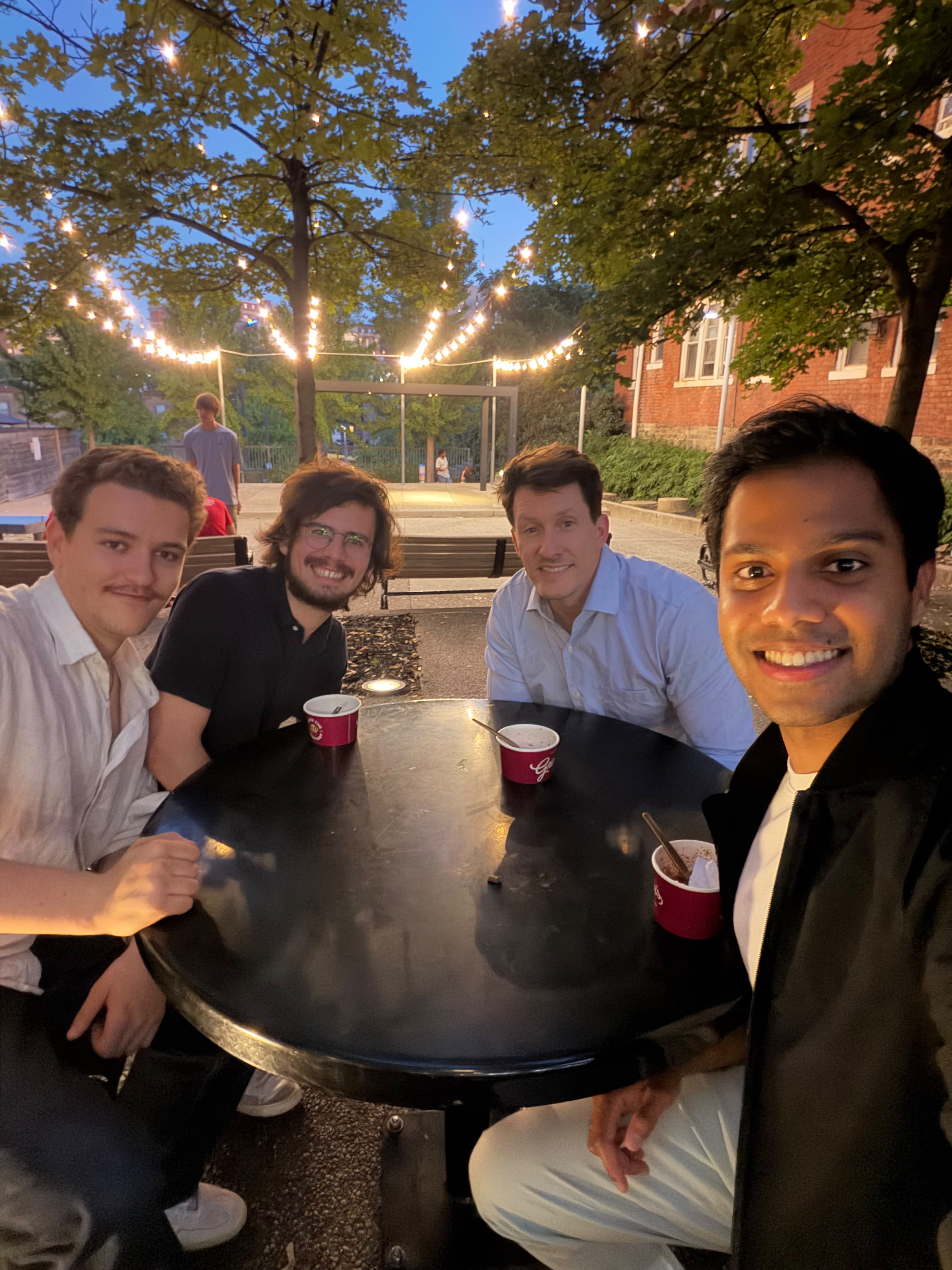
From left to right: Swan, Benoît, Charles and Varun
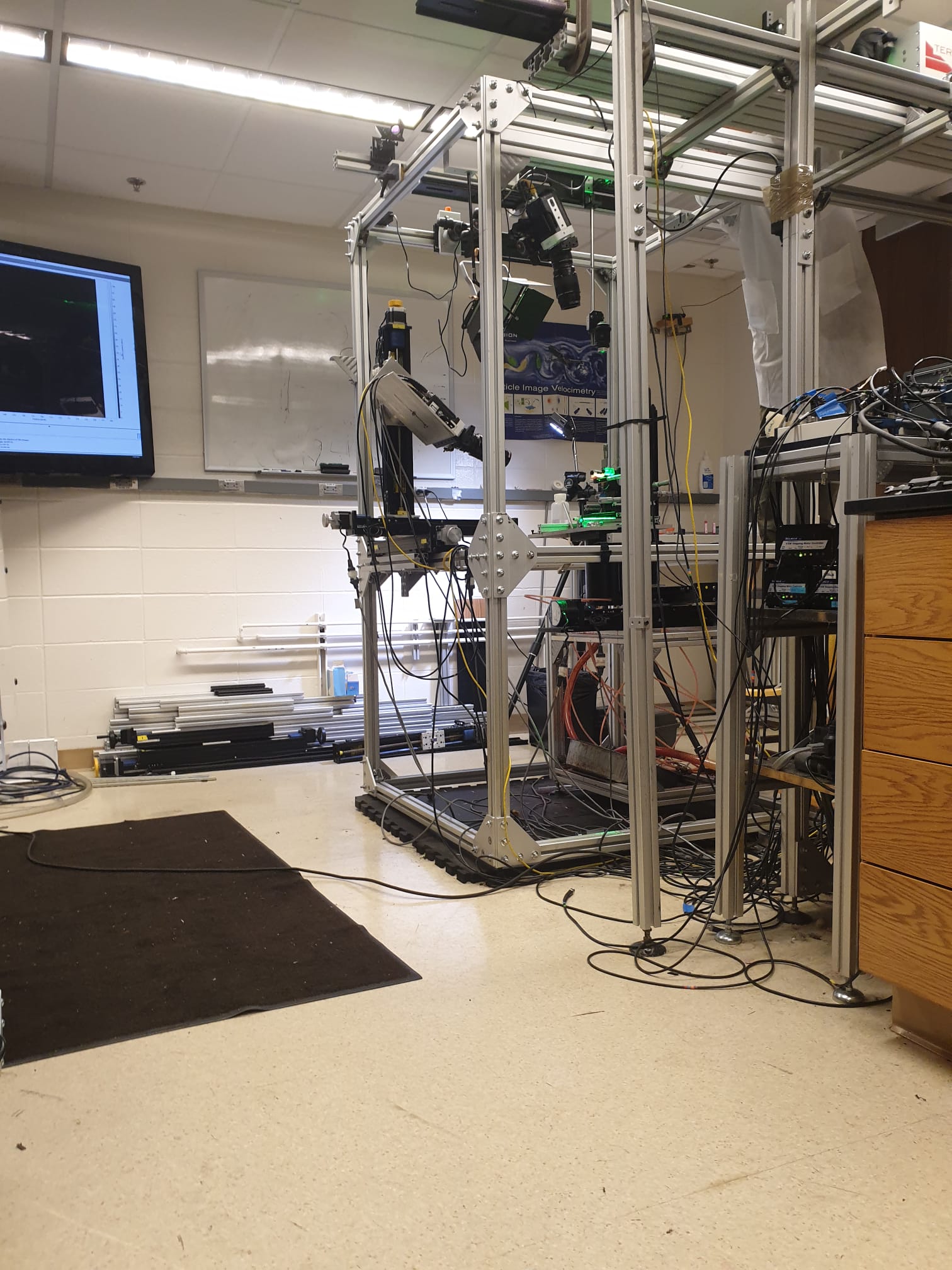
Cincinatti lab
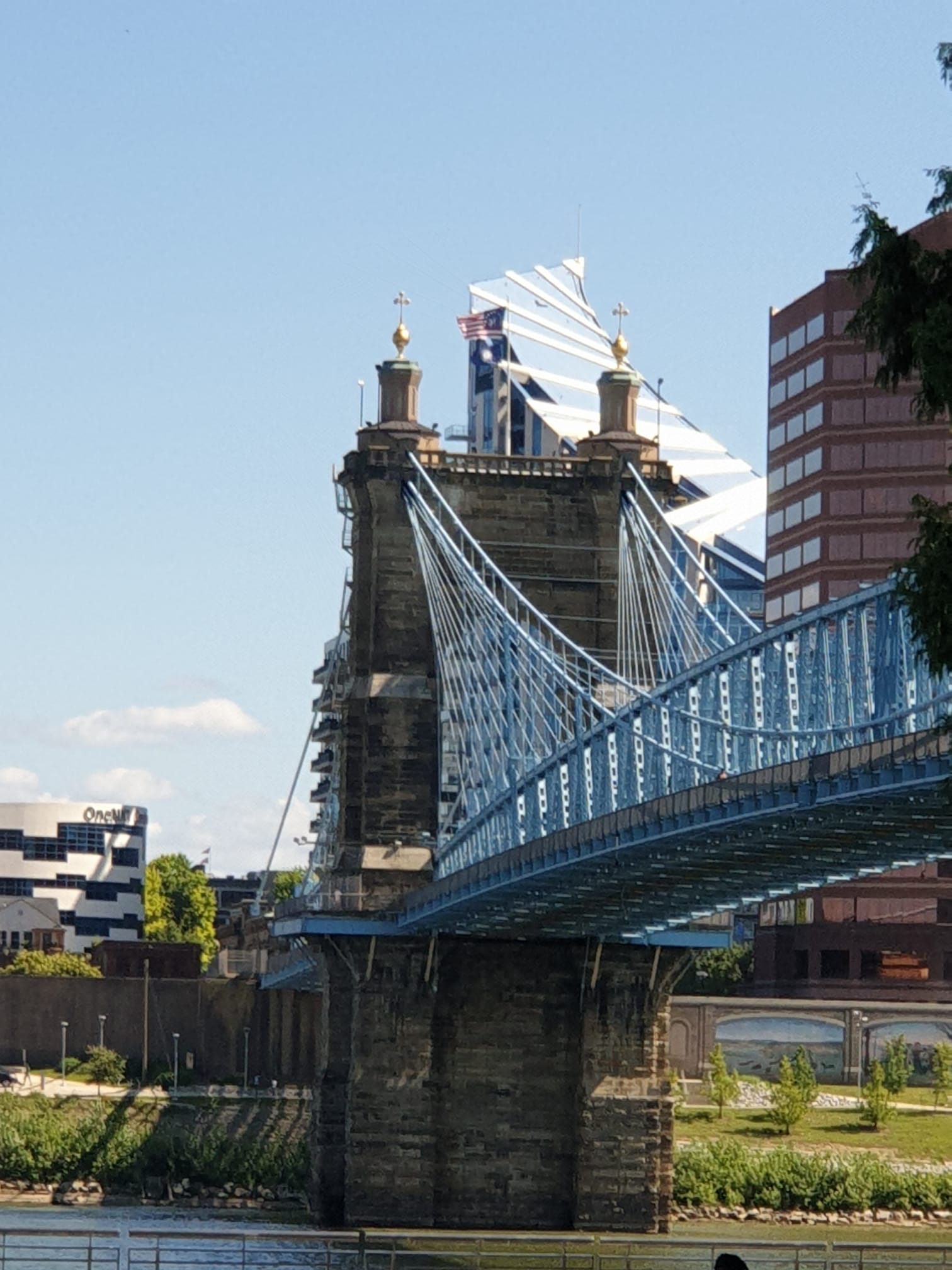
The city of Cincinatti
All pictures: courtesy of Benoît and Swan
 BLOG /
 CALENDAR /
 DONATIONS /
 MENTORS /