- Details
"Green and Clean":
AFAM: Hello Alessandro and thank you for agreeing to answer our questions. You are a Project Manager at Waga Energy and you work as a VIE in Philadelphia. Could you please tell us a few words about the company you work for and your role in it?
Alessandro: Waga Energy is a French cleantech company specializing in the recovery of landfill gas into Renewable Natural Gas (RNG), also known as biomethane. The company operates internationally, including in North America, and is committed to accelerating the energy transition by transforming waste into a valuable energy source.
As a Project Engineer within the U.S. branch, based in Philadelphia, I’m currently leading the execution of RNG infrastructure projects, ranging between $25M and $30M in value. My role involves managing the full EPC cycle — Engineering, Procurement, and Construction — from early-stage technical design to commissioning. I coordinate multidisciplinary teams, monitor budgets and timelines, and ensure compliance with environmental and safety standards. It’s a dynamic, high-responsibility position that offers me strong exposure to both technical and stakeholder management challenges.
AFAM: what is the most exciting and the most challenging in your current job?
Alessandro: What excites me the most in my current role is the scale and impact of the projects I manage. Working on multi-million-dollar infrastructure that directly contributes to decarbonizing the energy sector is both meaningful and motivating. I also really enjoy the dynamic, international environment — coordinating with stakeholders from different cultures, backgrounds, and technical expertise gives me a constant opportunity to learn and grow.
The most challenging aspect is managing complexity under tight deadlines. Leading EPC projects means being at the intersection of engineering, procurement, construction, and compliance. I need to ensure every component aligns — from technical design to contractor schedules to permitting — while adapting to unexpected changes on-site. It requires being proactive, detail-oriented, and calm under pressure. But these challenges are also what make the job so rewarding.
AFAM: We have several students in our Shasta program (as every year) who are looking for internships in the US and would like to pursue a VIE ( as VIE is accepted today by the school as end-of-the-year internship abroad). You managed to obtain a VIE with Waga Energy. Please let us know why you think you were successful in securing this position?
Alessandro: I believe what made the difference in securing my VIE at Waga Energy was a combination of genuine international motivation, targeted preparation, and persistence. I had previously spent six months in Australia on a Working Holiday Visa, which not only demonstrated my enthusiasm for working abroad but also helped me develop adaptability and a global mindset — qualities that are essential in an international assignment like a VIE.
When I applied to Waga Energy, I made sure to align my profile with the company's mission in renewable energy and their ambitions in the North American market. I tailored my application to highlight both my engineering and project management background, and how I could contribute to large-scale energy infrastructure projects in the U.S.
Another key point is that I proactively reached out to a current VIE at Waga before applying. I asked questions about the role and the company’s culture, which helped me better prepare for the interviews — and showed the recruiters that I was already projecting myself into the role.
My advice to students looking for a VIE: don’t hesitate to reach out to people already in the position you’re aiming for. It helps you understand what’s expected, and it shows initiative and motivation — two things that really stand out during the recruitment process.
AFAM: If you could give some pieces of advice to those who are looking for an internship in the US today, what would you say to them?
Alessandro: First, be very clear on what you’re looking for — the U.S. job market values focus. Whether it’s project management, data, engineering, or marketing, know your target and adapt your resume and outreach accordingly.
Second, network actively. Many opportunities in the U.S. come through connections, even weak ties. Reach out to alumni, current interns, or professionals on LinkedIn — ask for 15 minutes to hear about their experience. It’s not about asking for a job, it’s about learning — and showing you’re proactive.
Third, get comfortable with the cultural codes: have a sharp, one-page U.S.-style resume, be direct and confident in interviews, and follow up after conversations. Soft skills, initiative, and communication often matter just as much as technical background.
Finally — and most importantly — be patient and don’t get discouraged. It can take time to land the right opportunity, and rejection is part of the process. Each step, even the ones that don’t work out, helps you get closer to the right fit. Stay consistent, keep learning, and trust the process — your effort will pay off.
AFAM: It's been a year that you've lived in Philadelphia, what do you like the most in this region? How do you spend your free time?
Alessandro: Philadelphia has been a great discovery. I really appreciate the mix of history, culture, and the strong sense of community here. The city is dynamic and full of character, and I enjoy how walkable and lively the neighborhoods are. There’s always something going on — from local events to food markets and museums.
In my free time, I stay active — I’ve played rugby for many years and recently got into trail running. I even completed a 50-mile trail race, which was a rewarding personal challenge. I also like to explore the city and its surroundings with friends. Living abroad has been a very enriching experience, both professionally and personally.
AFAM: Could you tell us more about your future plans?
Alessandro: After my VIE experience, I’m planning to continue developing my career in the U.S., ideally in New York City. I’m looking for opportunities where I can apply my engineering background and project management experience to drive impactful, technically complex projects.
I particularly enjoy working in dynamic, international environments and taking on responsibility — especially when it comes to coordinating teams, managing stakeholders, and delivering results under tight timelines. In the long run, I aim to grow into leadership roles where I can contribute both strategically and operationally.
AFAM: Thank you, Alessandro!
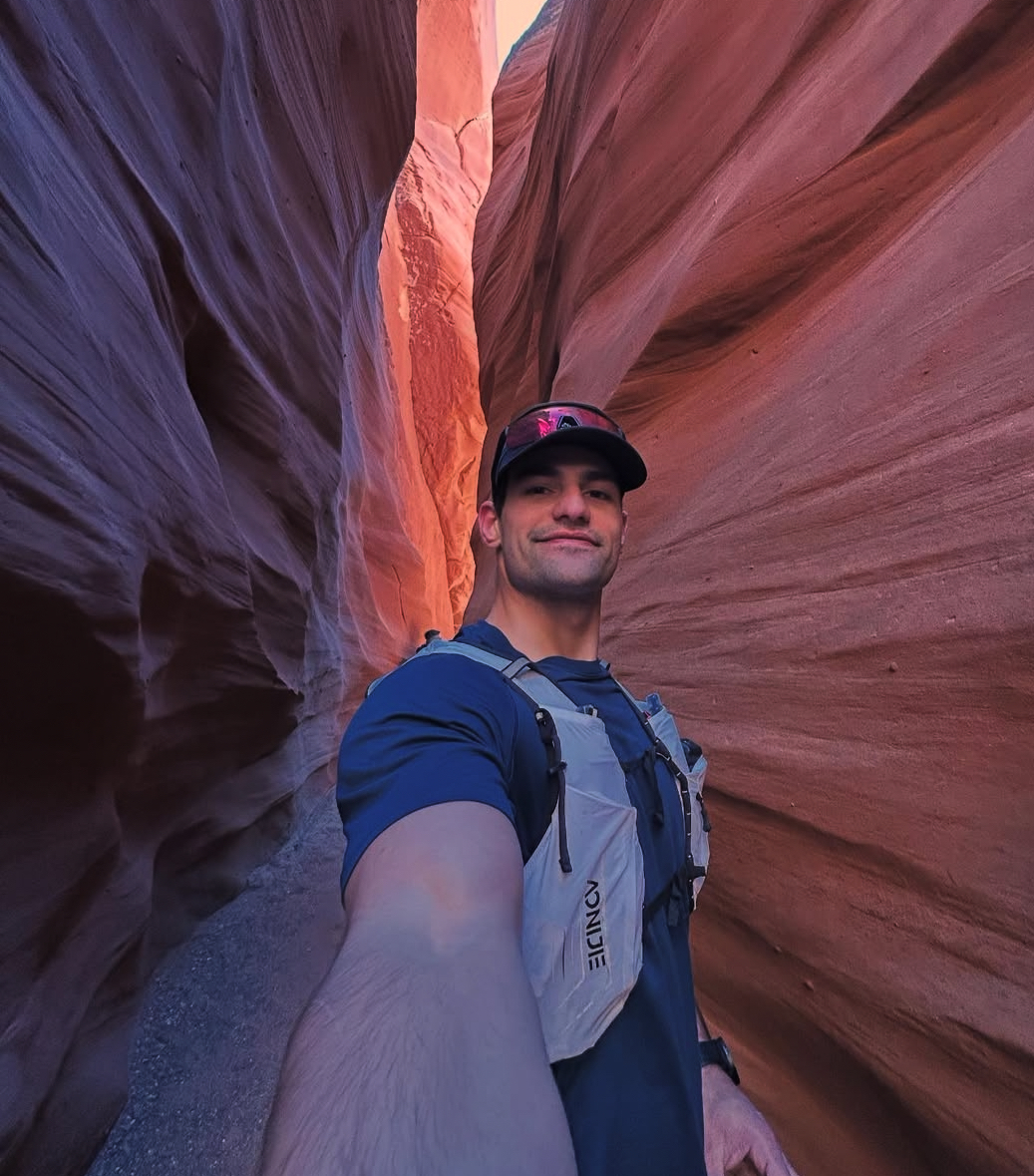
Picture (courtesy of Alessandro): Alessandro during 50 mile ultramarathon at Antelope Canyon (AZ)
Other interviews in “Green and Clean” series:
Interview with Guenael Prince (Cl 201)
Interview with Raphael Zaccardi (Cl 182)
Interview with Lucie Marionnet (Class 2019)
Interview with François Callait (Ch 189)
- Details
AFAM: Hello Rémi and thank you for agreeing to answer our questions. You are a Sales Director at Instrumental Inc., Palo Alto, CA. Please tell us a few words about the company you work for and your role in it?
Rémi: Instrumental Inc is a startup specialized in the manufacturing tech sphere. We help electronics OEMs build better quality product faster. We have around 70 employees and I joined the company one year ago. In my role as a sales director, me and my team focus on bringing new customers.
AFAM: Before joining Instrumental Inc and moving to California, you lived in Mexico.Could you please tell us a few things about your Mexican experience and then how come you work in the US now?
Rémi: yes, my love story with Mexico started in 2013 when I found a VIE there, at the company called Fives. It is a company with headquarters in France and a lot of Gadz’Arts work there. I was one of them and it is an example of exciting things we can do in the manufacturing industry. Then, I went back to Europe, In England, for 2 years, staying at Fives for another subsidiary. And after that I came back to Mexico, this time as a Sales Manager for Latin America and for the USA. After more than 7 years at Fives, in 2021, a good friend of mine, also an engineer, asked me if I would be interested in setting up a company in Industry 4.0 with him. We started visiting customers to understand how the digital transformation looked like in Mexican factories. It was still at an early stage. And a few months after we started a company called JoonX, with the idea of improving plant's effectiveness thanks to real-time data analytics (IIoT, for those who know), where I worked until 2023. We developped our own solution, packaged it and we now support factories in the automotive and food & beverage industries. Then finally, my personal story took me to the US where I decided to join my girlfriend and I moved to an advisory role for JoonX.
AFAM: And then in the US, was it easy or difficult to find a job?
Rémi: Actually, it was not that easy. The market was already challenging for job seekers. I applied to 100 jobs or so before I could join Instrumental Inc. I had to leverage my sales skills. Instrumental was one of our prospects in Mexico for JoonX and that’s how I contacted them. This journey ended well for me. I think that when you are an expert in a certain field and if you persevere, you have good chances to succeed.
AFAM: what is the most exciting and the most challenging in your current job?
Rémi: for me the most exciting thing is the ability to make a quick impact. We are just a team of 6 people including myself and as a team we are able to see quick results of our work. But of course, it comes with a challenge - working hard, under pressure, you need to be available and sometimes swallow your pride.
AFAM: how being a Gadzarts help you in your international career?
Rémi: I would say that being a Gadzarts gives you a very good background in mechanical engineering and the ability to understand very technical aspects as well as critical thinking and engineering mindset.
And also, for the VIE in Mexico I replaced another Gadzart and that’s basically how I started my international career - partially thanks to the Gadz’Arts community abroad.
AFAM: It's been around two years that you’ve been living and working in Northern California, what about your life in the bay area that you like the most? How do you spend your free time?
Rémi: We enjoy nature, landscapes and its variety. We live 15 minutes away from Alameda beach and go there often. Though Okland, where we live, gained a bad reputation, it has some very nice neighborhoods. The quality of life is very good in the bay area: you can go to the beach or plan a mountain biking trip, and the next weekend - you are going skiing at Tahoe or enjoying Napa or Sonoma Valley. However, coming from Mexico and being French, I often complain about the food. Food here either comes pricey or often disappointing!
AFAM: Thank you, Rémi!
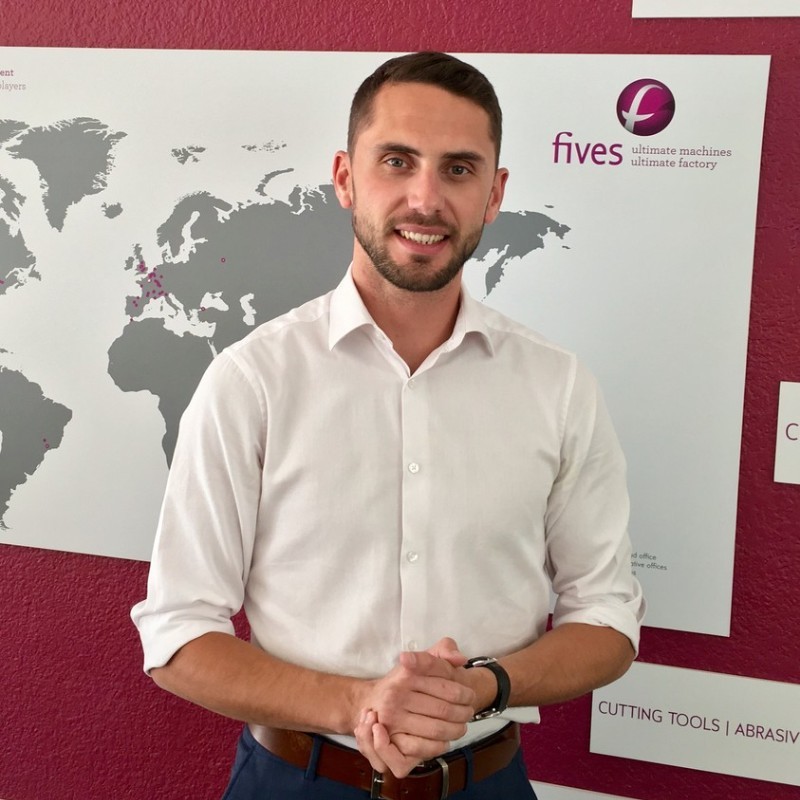
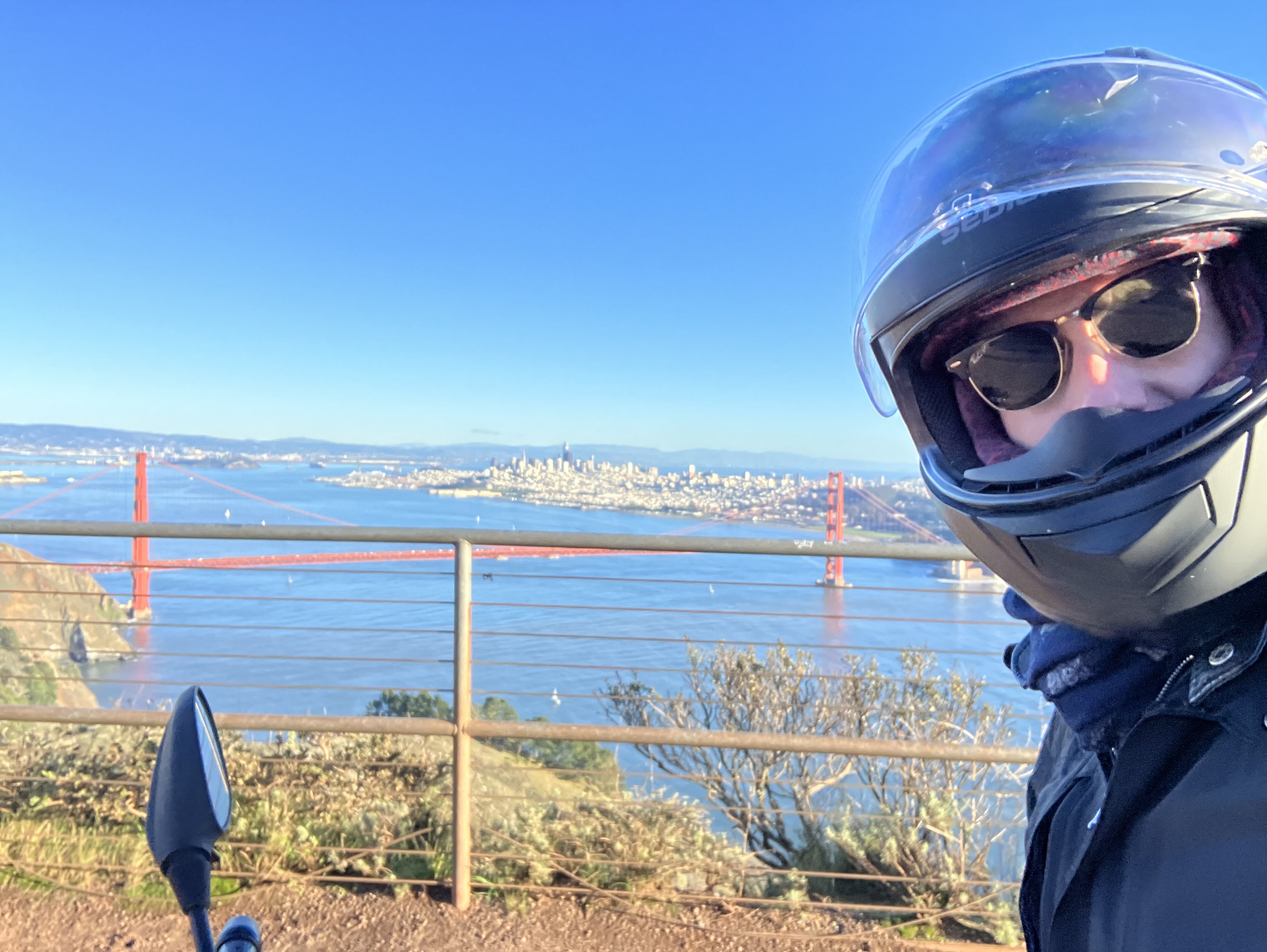
Photos: courtesy of Rémi
- Details
French Alumni gathered in East Palo Alto, CA on April 23rd at Four Seasons Silicon Valley hotel. It was the first networking 2025 event taken place on the San Francisco Peninsula ( and not in the city). The San Francisco Peninsula includes cities like Palo Alto, Redwood City, Menlo Park, San Carlos and others where a lot of French and French speaking alumni from Grandes Ecoles ( ESSEC, EDHEC, HEC, X, Science Po, Arts et Metiers) work and live.
AFAM would like to thank ESSEC for organizing this warm networking gathering in a beautiful place. Arts et Metiers alumni present at this event loved its relaxed atmosphere aiming at fostering connections and building relationships.
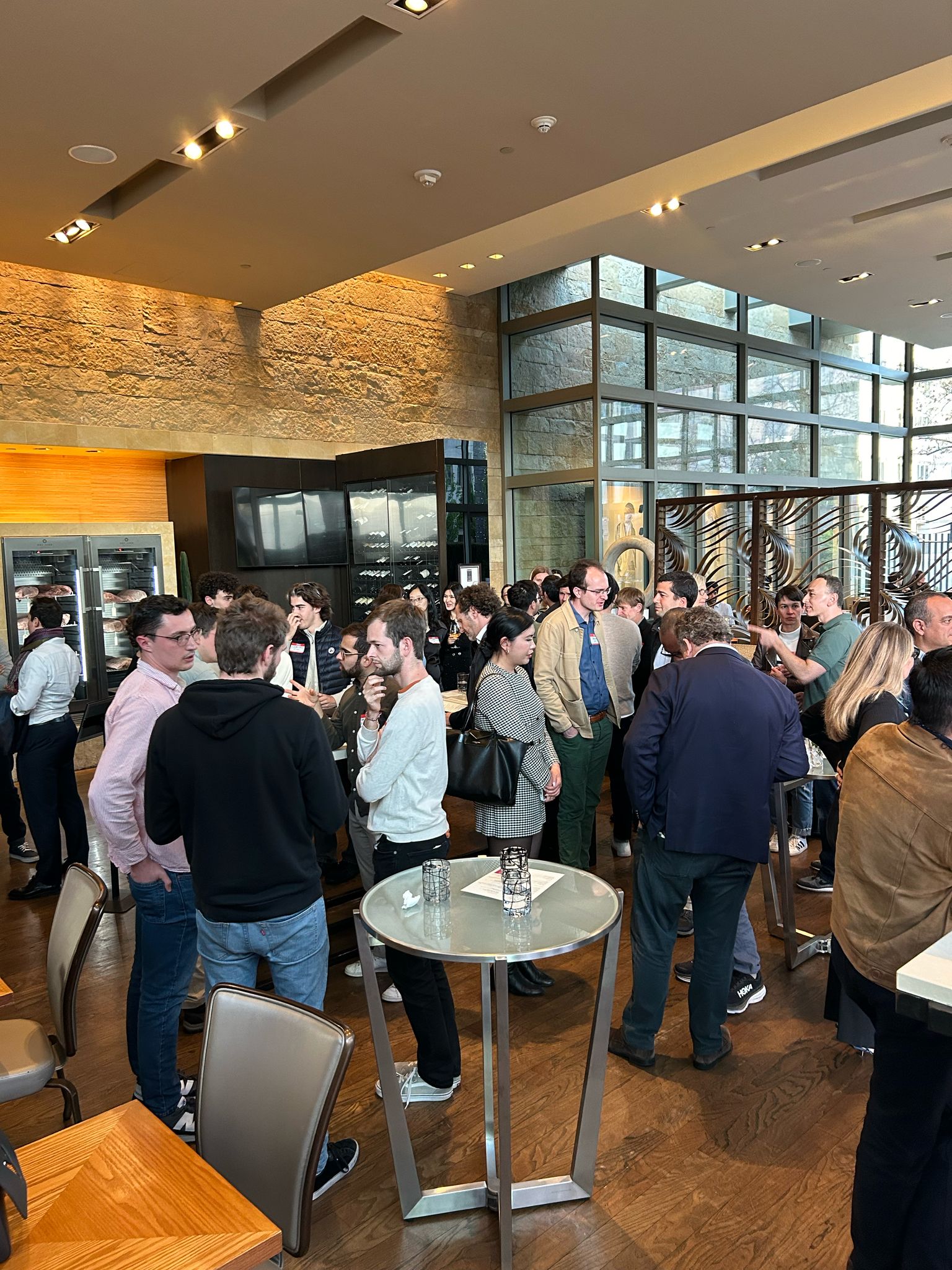
Networking on April 23rd
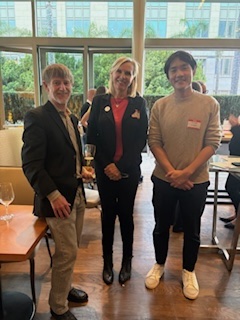
From left to right: Jean Pommier (An 183), AFAM CFO, Patricia Vinant (EDHEC America Director) and Nicolas Horde (Ai 214), president of the West Coast Gadz group
- Details
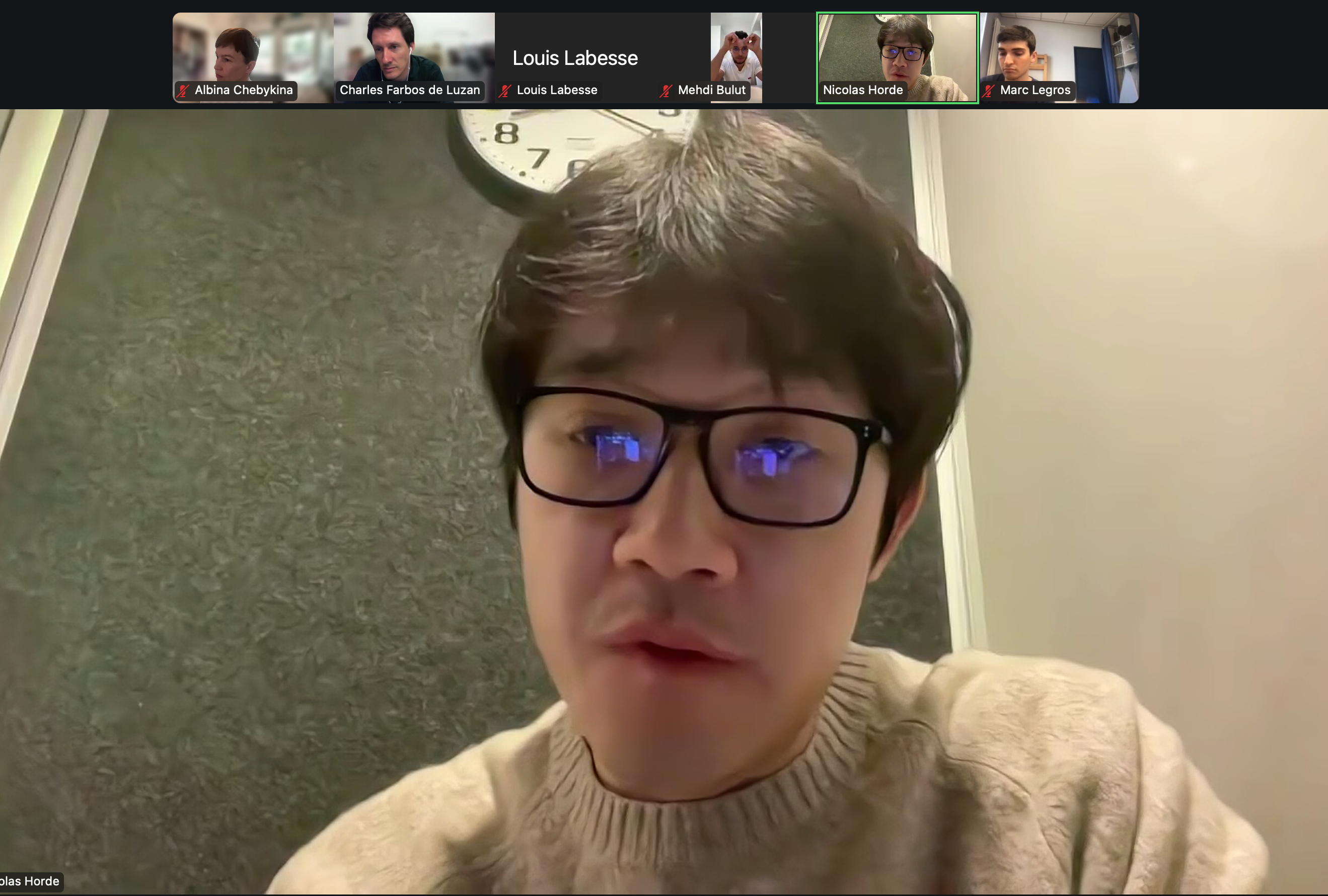
AFAM informational Sequoia session in partnership with Pôle Carrière took place on April 23rd. This session was organize to present the Sequoia program which aim is to help students and alumni of Arts et Metiers prepare applications for American Universities.
A big thank you goes to Charles Farbos de Luzan (Bo 206) and Nicolas Horde (Ai 214), our volunteers and members of the Sequoia committee, for presenting the program together with AFAM community manager Albina Patou-Chebykina.
Thank you to all the students and alumni who attended this session and asked questions.
If you are an Arts et Metiers alumna or a current student (A2, A3) and plan to continue your studies in the US but do know know where to start, you can join the Sequoia program.
Please
- Details
AFAM: hello Charles, please tell a few words about yourself
Charles:
Hi, I’m Charles Calvinhac, a Master of Engineering student in Mechanical Engineering at UC Berkeley. Before coming to Berkeley, I was part of the Parcours US program at Arts et Métiers in Paris during the 2023-2024 academic year. Prior to that, I began my studies at Arts et Métiers in Bordeaux after completing a two-year preparatory class.
AFAM: What was the most challenging for you first when you applied to American Universities and second, when you arrived in California?
Charles:
The biggest challenge during the application process was learning how to write great cover letters. The application system in the U.S. is very different from what we have in France. To apply to American universities, you need to submit multiple essays that highlight who you are beyond just academics. There’s the Statement of Purpose, which focuses on your academic journey and career goals, and the Personal History Statement, which emphasizes your personal background and experiences. Additionally, three Letters of Recommendation are required, typically written by professors or internship supervisors.
When I arrived in California, my main challenge was adapting to this new academic system. I had to quickly transition my engineering vocabulary from French to English and quickly adapt to cultural differences.
AFAM: What are your favorite classes? And what do you like the most about your educational journey?
Charles:
At Berkeley, I’ve had the opportunity to take a diverse range of courses. My favorite class is Vehicle Dynamics & Control, where I gained a deep understanding of integrating feedback control into dynamic systems. In this course, I worked on implementing traction control and ABS in vehicle systems, which significantly improved my skills in MATLAB.
Another class I really enjoyed was Statistics and Data Science for Engineers. It introduced me to machine learning and data management, providing powerful tools for analyzing and interpreting complex datasets. For my final project, I used machine learning techniques including neural networks and random forests to predict cholesterol levels based on dietary information from the National Health and Nutrition Examination Survey dataset.
I also had the opportunity to be part of UC Berkeley’s AI Racing Tech Team for my year-long Capstone Project, working with some of the world’s fastest self-driving vehicles, capable of reaching speeds of 300 km/h. Additionally, I had the chance to travel twice to Las Vegas for four-day trips, fully funded, to conduct on-track testing with other teams from other universities.
What I appreciate the most about my academic journey is its practical approach. Rather than focusing solely on theory, many courses emphasize hands-on projects, which have helped me better understand the underlying concepts. I highly recommend that students get involved in projects, as they provide invaluable learning experiences beyond what is taught in class.
AFAM: you are one of the Sequoia #2 grant recipients. Please tell us why it was important for you to get some financial support offered by AFAM?
Charles:
AFAM, which stands for American Friends of Arts et Métiers, is an association of alumni in the U.S. that plays a key role in maintaining connections among graduates. It’s important for me to stay connected with people who share the same background, and AFAM also organizes valuable networking events.
The support from AFAM through the Sequoia #2 grant has been invaluable, not only in easing the financial burden of studying in the U.S. but also in allowing me to fully concentrate on my academic projects. Studying abroad comes with significant financial challenges, and this assistance has given me the freedom to focus on learning rather than worrying about my expenses. Beyond the financial aspect, receiving this grant is also a great source of encouragement, as it reflects the strength of the AFAM network and its commitment to supporting French students in their educational journey in the U.S.
AFAM: Do you like living in California? How do you like to spend your free time?
Charles:
I really enjoy living in California, especially because of the wide range of activities available. The weather is also a big plus, unlike in France, the sun shines almost every day, making it easy to spend time outdoors.
One of the things I appreciate most is the variety of free activities on campus, including sports like tennis, soccer, basketball, and access to the gym and swimming pool at no extra cost. I'm also part of CHAOS, an association that organizes hiking trips. I joined one of their hikes to Pinnacles National Park, where they provided all the necessary equipment—tent, sleeping bag, backpack, and even a lamp completely free of charge.
In my free time, I also love exploring San Francisco with my friends. We visit places like the different piers, Golden Gate Park, and the Japanese Tea Garden. I even had the chance to attend a baseball game and see world-famous DJs like Kavinsky perform for less than $30. There’s always something exciting to do here!
AFAM: Any piece of advice you would like to give to parcours US students who will be arriving in the US next year?
Charles:
My main advice for incoming Parcours US students is to be open to meeting new people. While it may be tempting to stick with the French community, it’s essential to build connections beyond that circle. Engaging with a diverse group of people will greatly enrich your experience.
I also strongly encourage getting involved in projects as much as possible. Hands-on experience makes a real difference on your CV and can open doors to exciting opportunities. Additionally, make the most of your free time, it’s one of your greatest assets. Whether you use it for networking events, personal projects, or job applications, investing time wisely can have a big impact on your future.
Lastly, I’d be happy to help and answer any questions from students interested in Parcours US or learning more about AFAM. Feel free to reach out to me on LinkedIn!
AFAM: Thank you
Pictures: courtesy of Charles
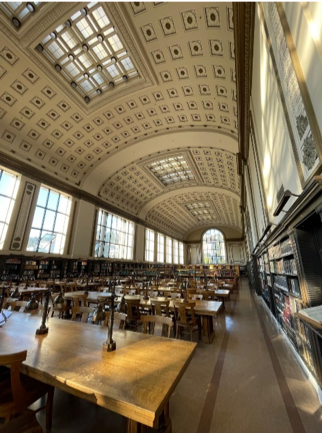
Berkeley Main Library
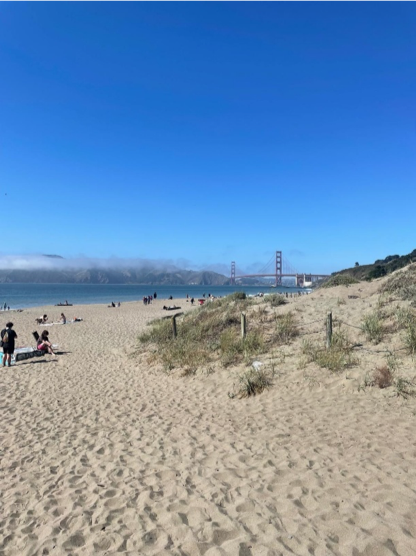
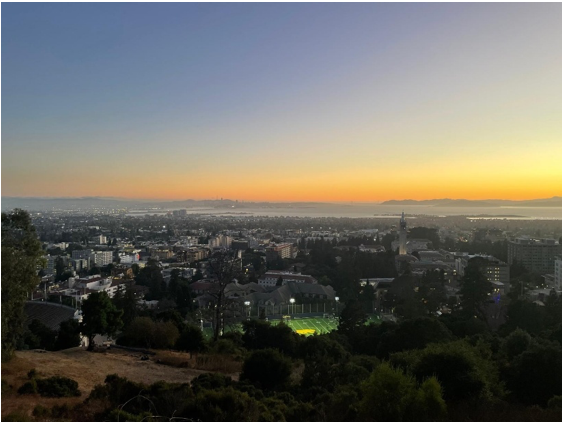
Berkeley hills
- TAKE MY WORD FOR IT: Jean Delaunay (An 221), a double degree student in mechanical engineering at Georgia Tech
- Arts et Metiers alumni based in the United States met Aix students during English class
- Arts et Metiers delegation met GadzArts in Houston
- Robert Stelly (Ch 97) met Bordeaux-based Arts et Metiers students during English class
- Nicolas Horde (Ai 214), West Coast group president and AFAM board member met students online
 BLOG /
 CALENDAR /
 DONATIONS /
 MENTORS /