
- Details
On September 25th, the Gadz’Arts community of the San Francisco Bay Area gathered at the residence of the Consul General of France in San Francisco.
This exceptional event attracted 60 guests, including Gadz’Arts alumni, students, and family members. It was a wonderful opportunity for alumni to meet newly arrived parcours US students studying at UC Berkeley and Stanford.
The evening began with Paul Salvaire, Deputy Consul General, welcoming the guests and presenting some of the activities offered by the consulate to French engineers living in the Bay Area. The audience then heard from Xavier Wartelle (Li 82), AFAM CEO, who spoke about the history of AFAM and its importance for the Arts et Métiers community. Next, Nicolas Horde (Ai 214) shared information about the programs and events organized by AFAM.
Marc Amblard (Cl 84), mobility expert, delivered a presentation on key innovation trends in mobility. Afterward, guests enjoyed a networking session.
We warmly thank Consul General Florian Cardinaux for hosting us, as well as the French Consulate team present at the event: Paul Salvaire, Deputy Consul General; Délphine Sève, Consul and Deputy Consul General’s assistant as well as Mounia Elnatour, Press Attachée; Rouksana Simjee, Villa Albertine Director; Marceau Juin, Flore, Loïse, and Thaddée.
Finally, many thanks to the AFAM volunteers who made this evening possible:
Nicolas Horde (Ai 214); Jean Pommier (An 183), AFAM CFO, and Agnès Pommier; Vincent Schmitt (Ch 182); Aurore Prévot (Li 198) and Jean Prévot (Ch 198)
and many others.
Looking forward to enjoying other community gatherings in the SF region.
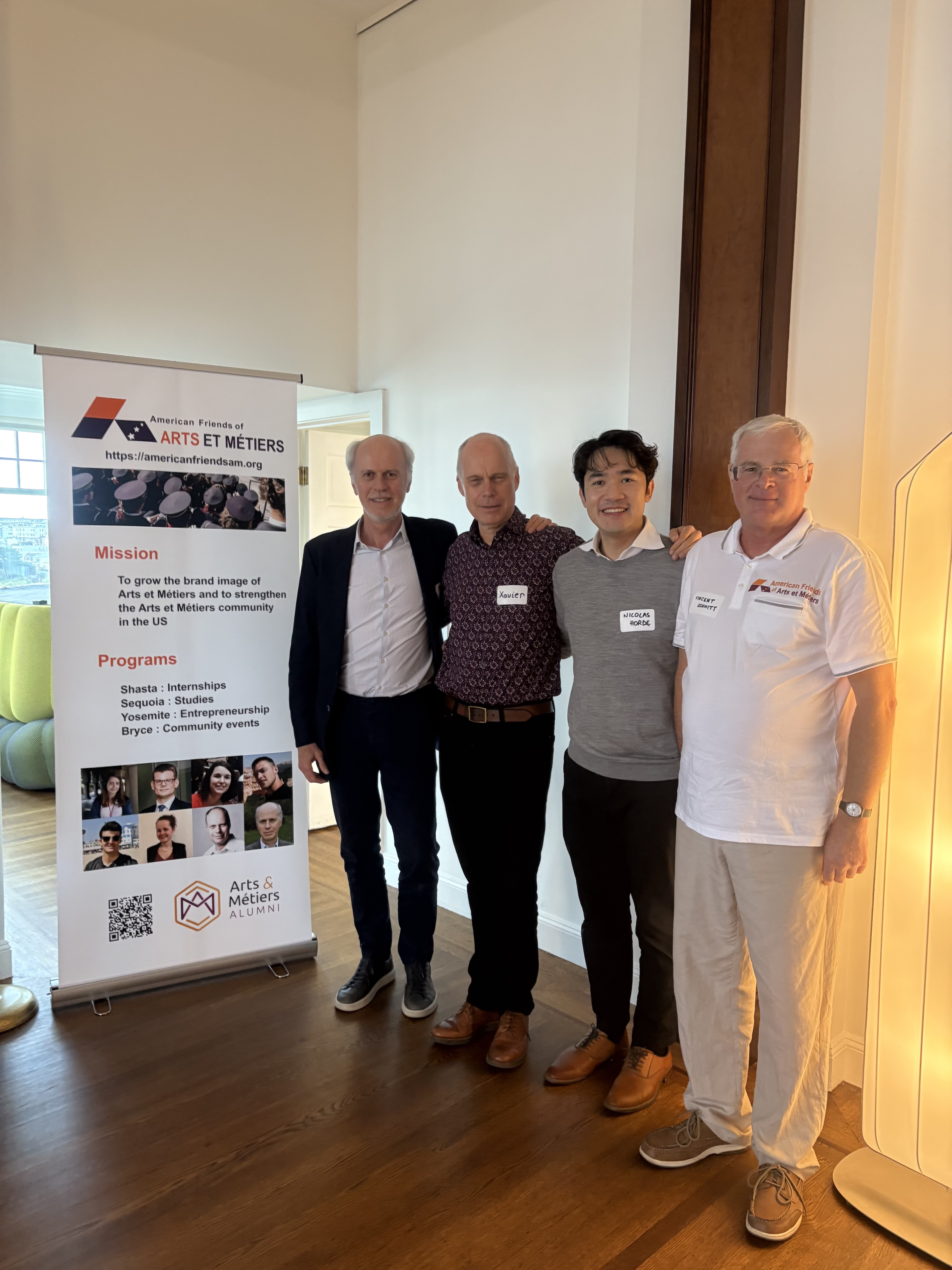
Marc Amblard (Cl 1184), Xavier Wartelle (Li 182), Nicolas Horde (Ai 214) and Vincent Schmitt (Ch 182) before the event
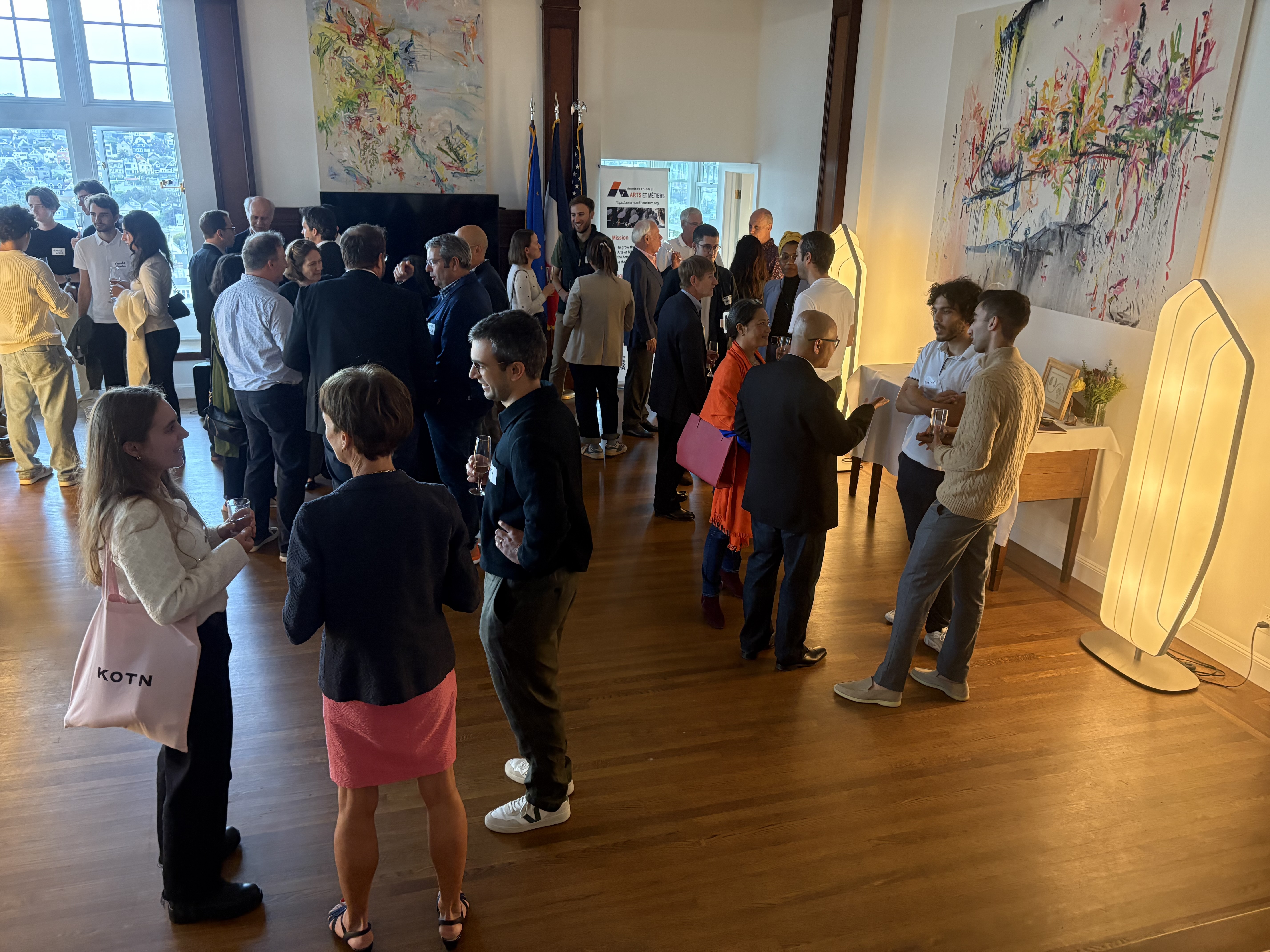
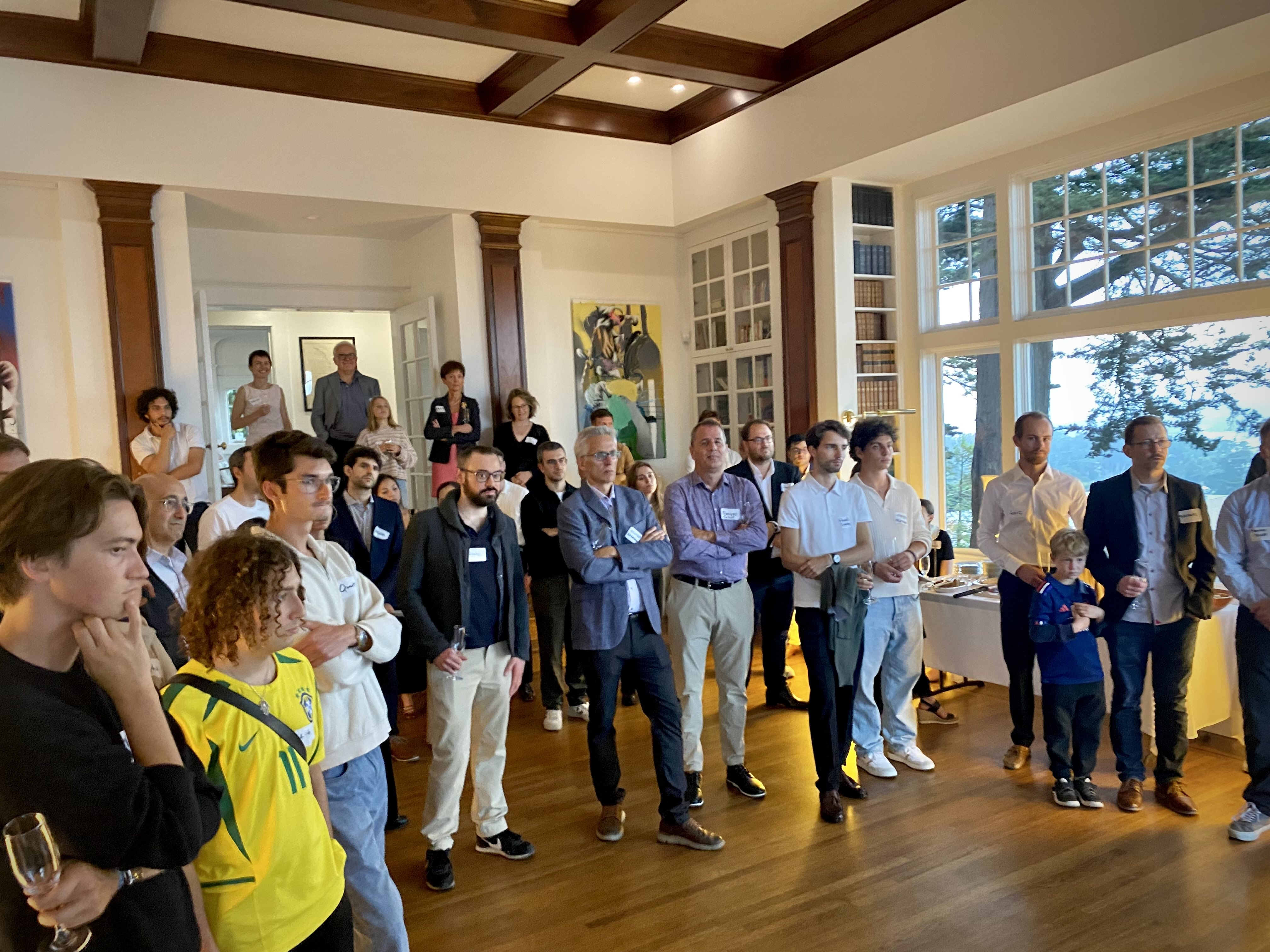
at the event
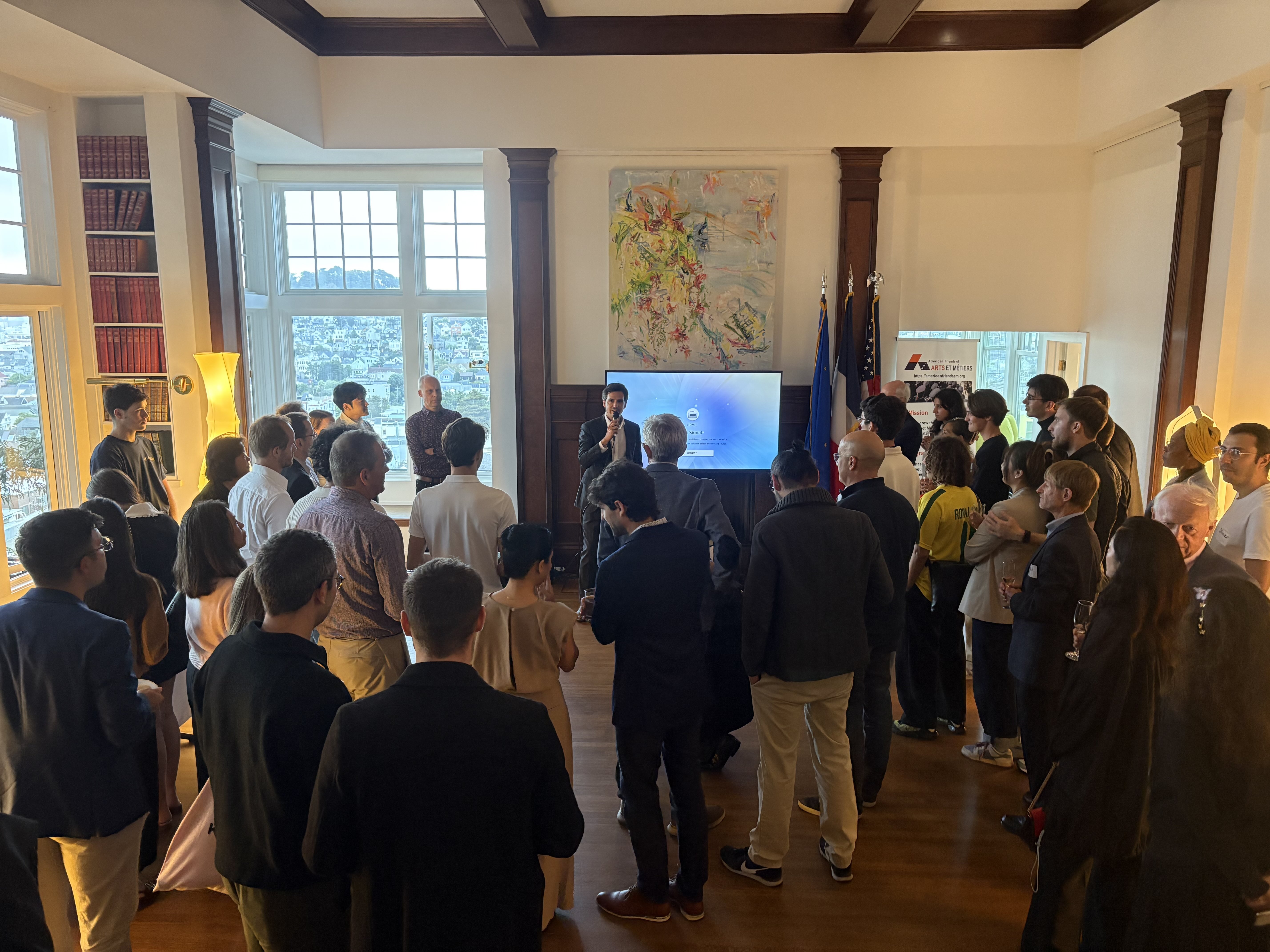
Paul Salvaire, delivering the speech to the Gadz'Arts community
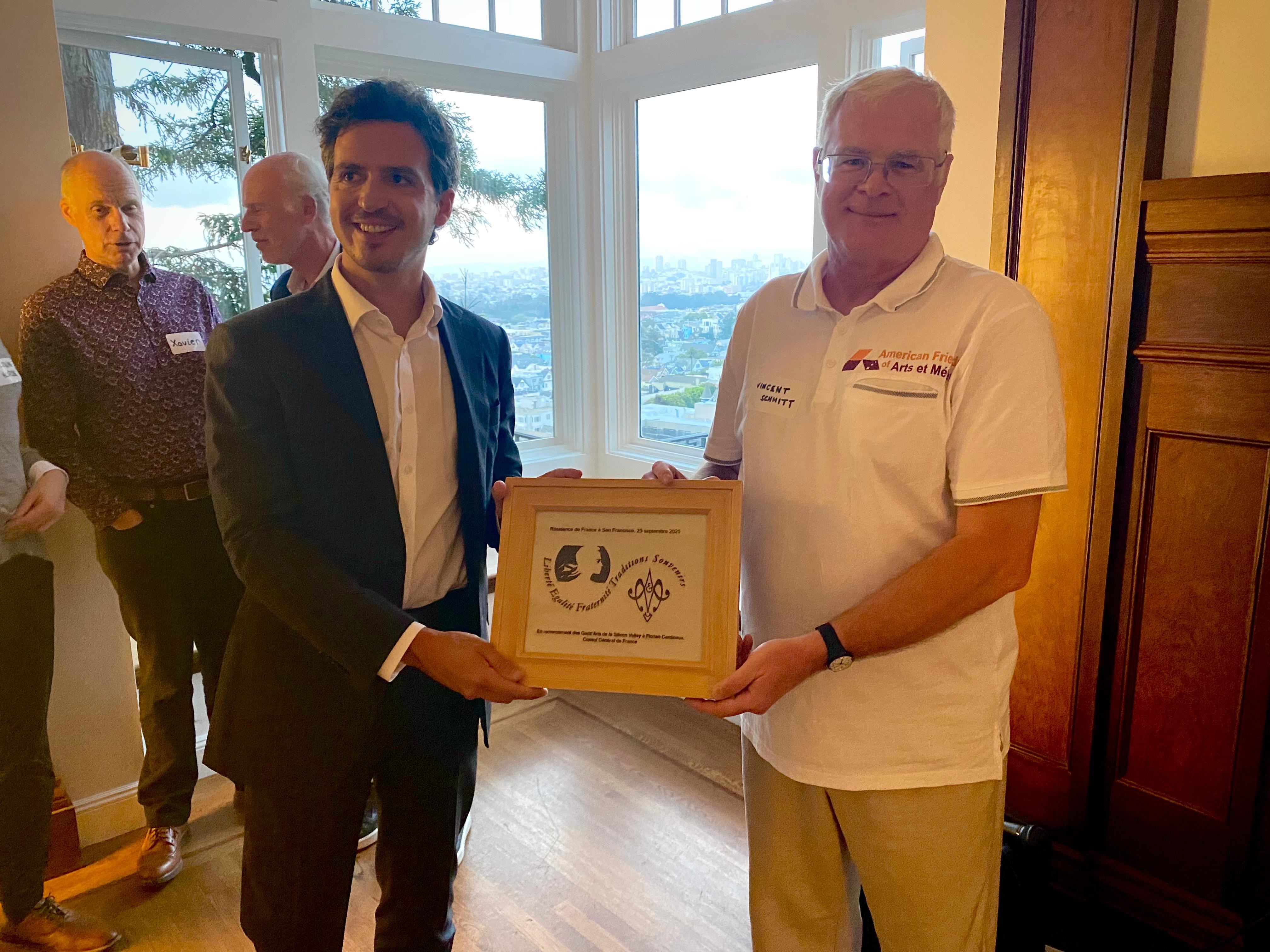
Vincent Schmitt offering to Paul Salvaire a commemorative gift from the Gadz'Arts community
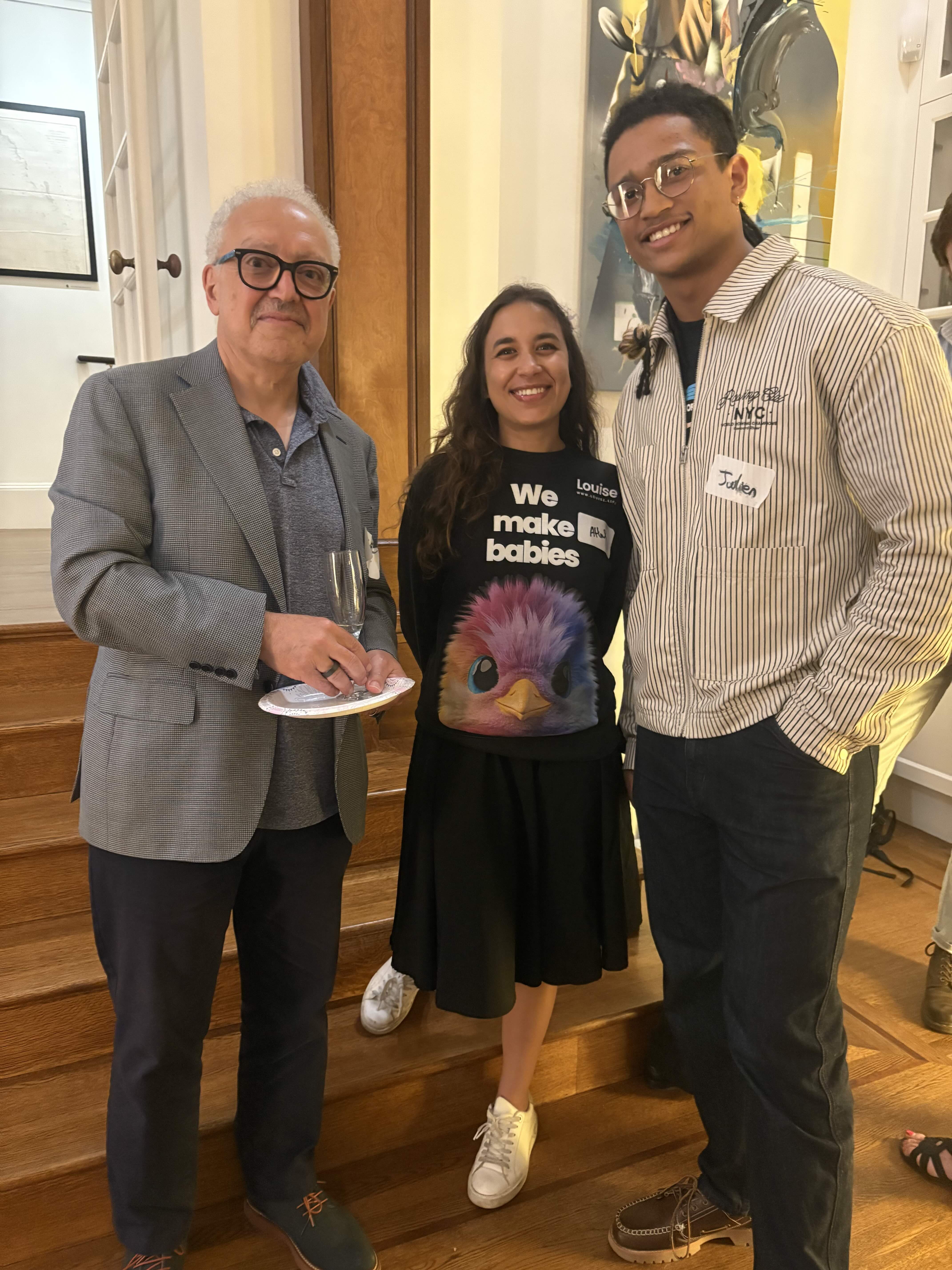
Eric Benhamou (Ai 172), Atlal Boudir and Julien Rineau (An 220)
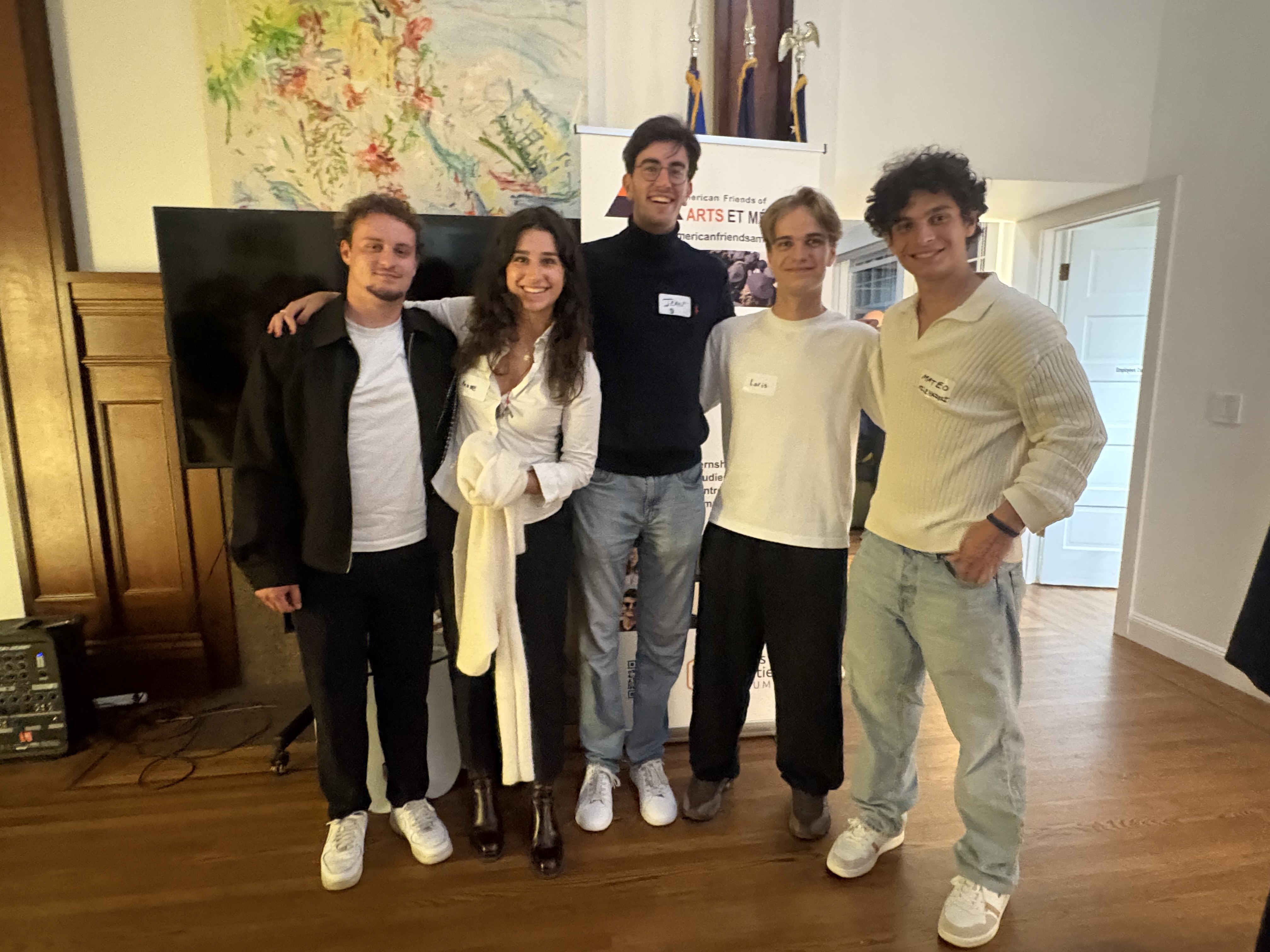
A&M students Maxime Pangrazzi (Ch 223), Marie Imad (Ch 223), Jean Duthoit (Ch 223), Loris Emanuelli, Mateo Milenkoski (Ch 223)
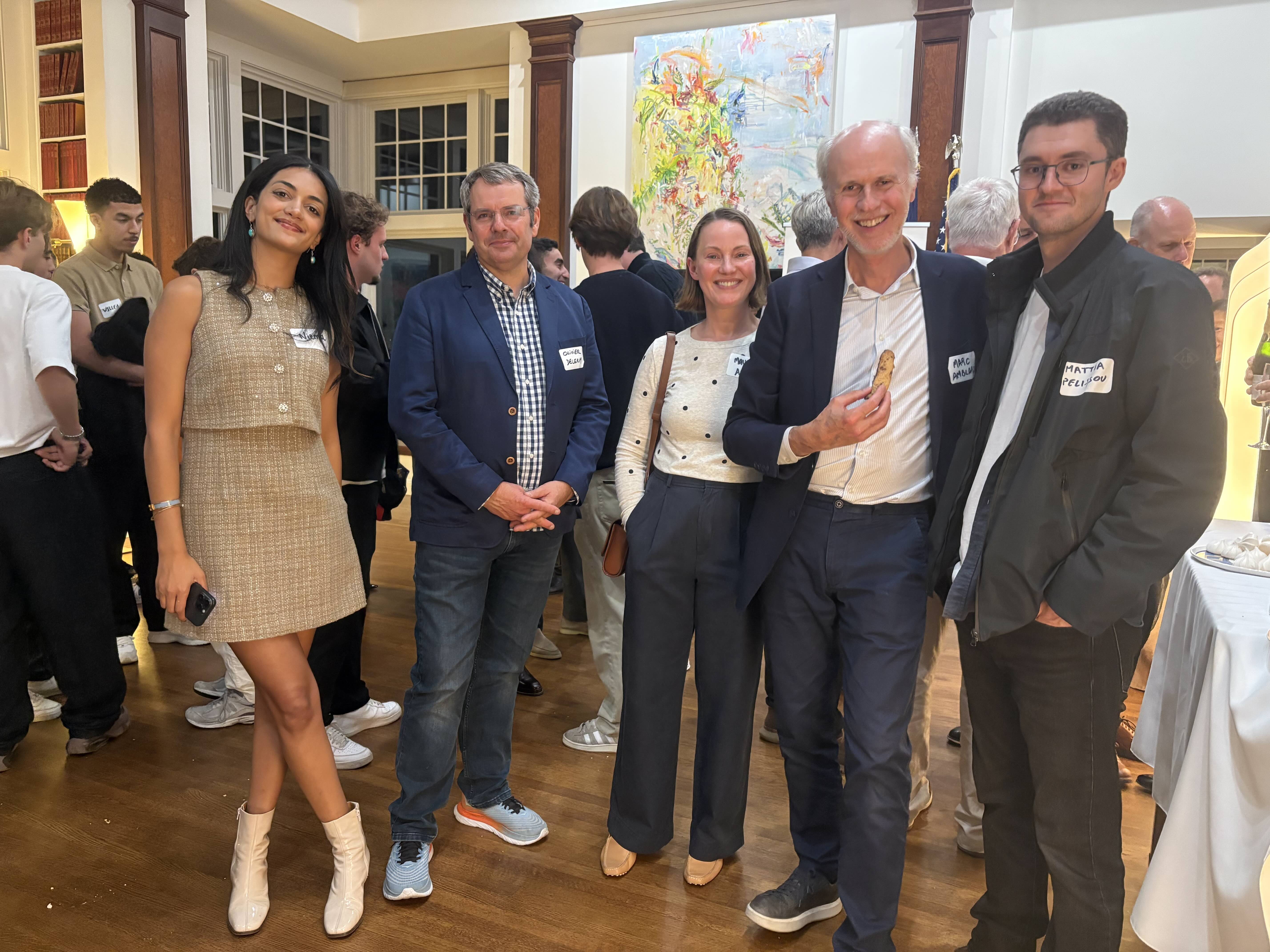
Niema El Bouri (Li 216), Olivier Delerm (Li 187), Maureen and Marc Amblard, Mattia Pelissou (Li 216)
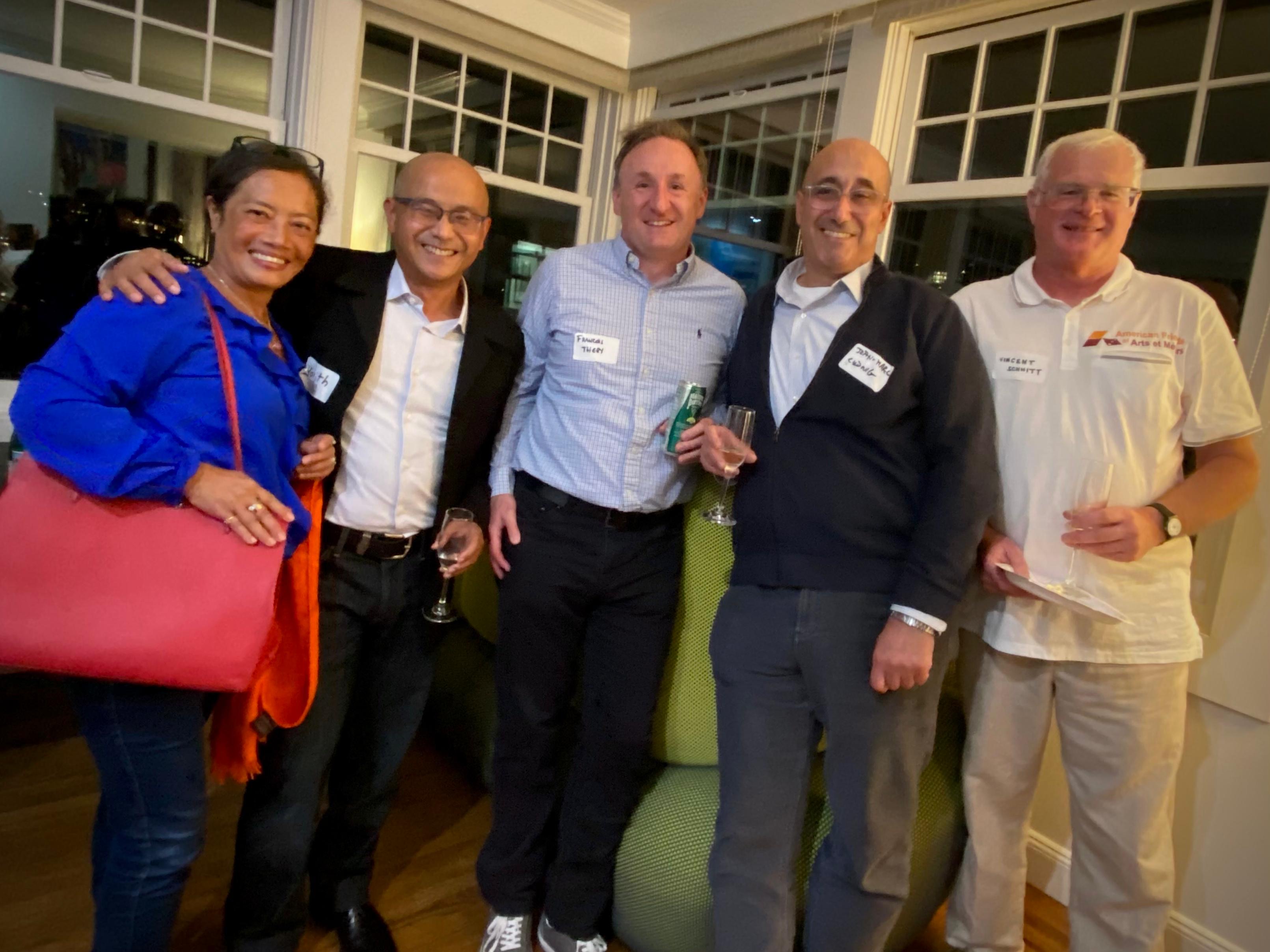
Aude Phay and Yarith Phay (Bo 191), François Thery (Li 196), Jean-Marc Ludwig (Ai 189) and Vincent Schmitt
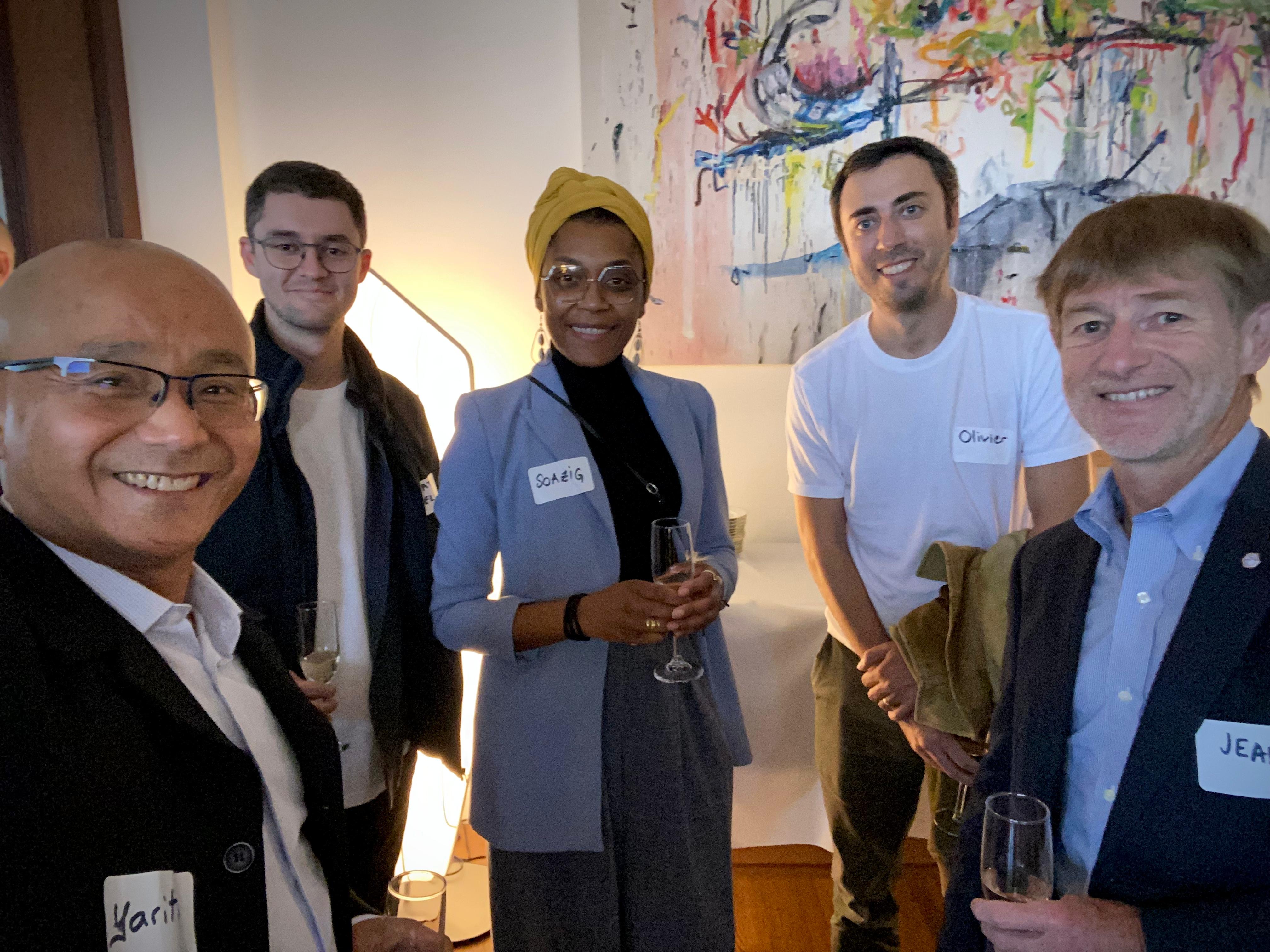
Yarith Phay, Mattia Pelissou, Soazig Kaam (Bo 209), Olivier Causse (Li 207), Jean Pommier (An 183)
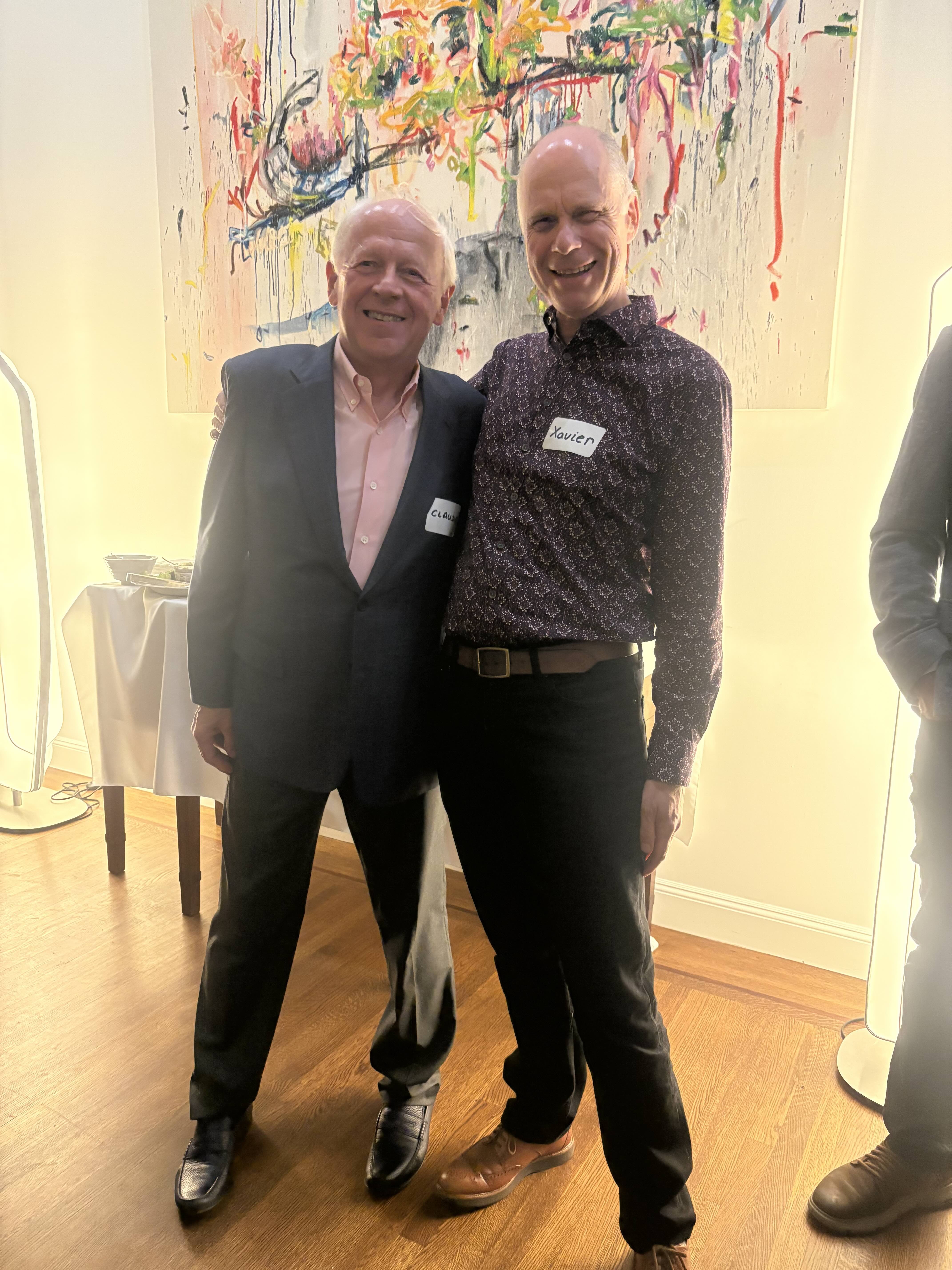
Claude Leglise (An 174) and Xavier Wartelle ( Li 82)
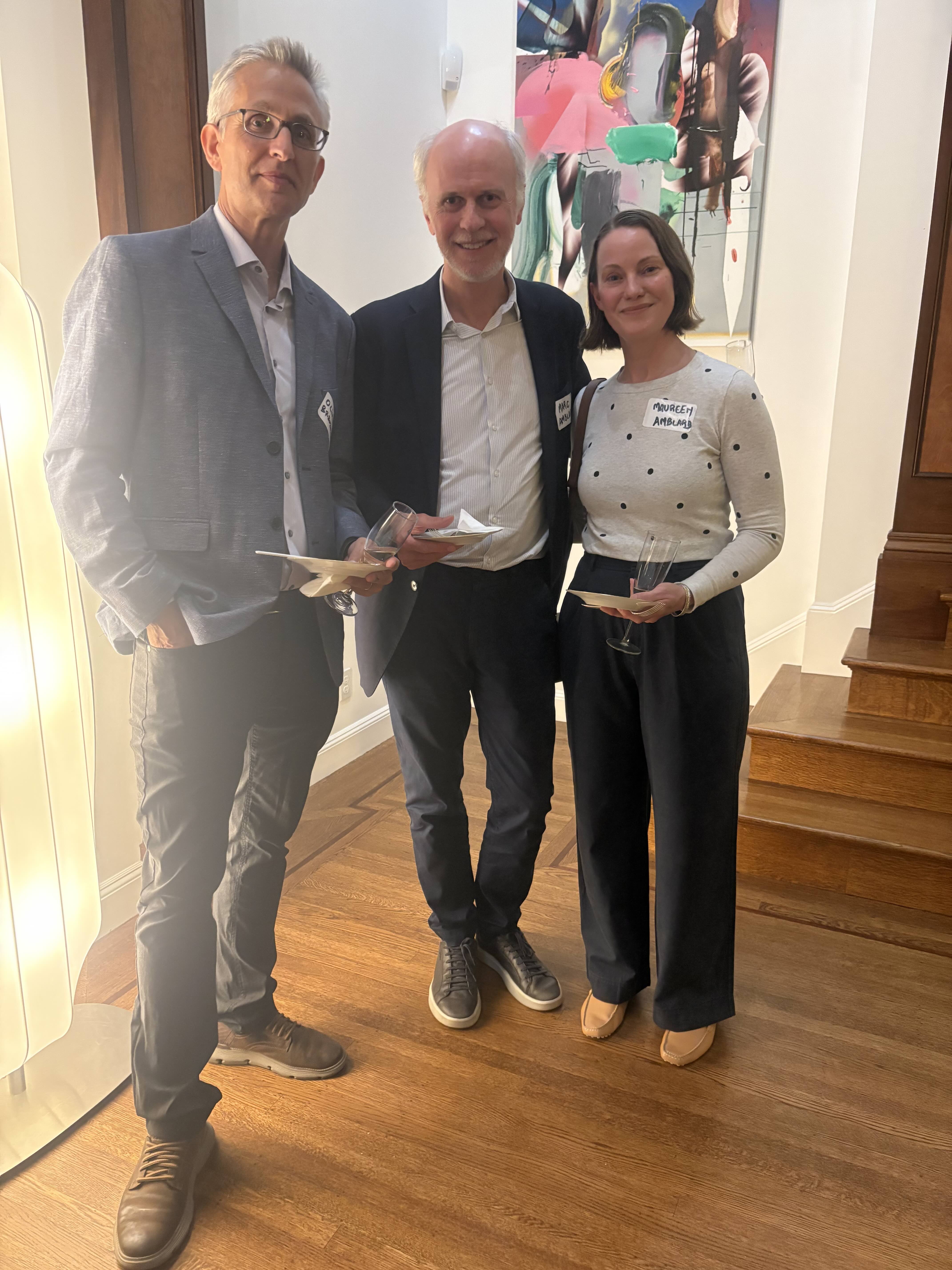
Olivier Brzozowski (An 195), Marc and Maureen Amblard
- Details
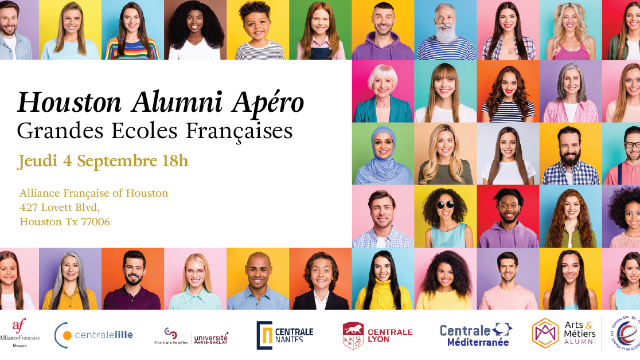
On September 4th Arts et Metiers as well as other French schools alumni gathered at Alliance Française de Houston. Houston-based French alumni were invited to enjoy apéro, pétanque as well as a drink or two.
Here are some pictures from the event:
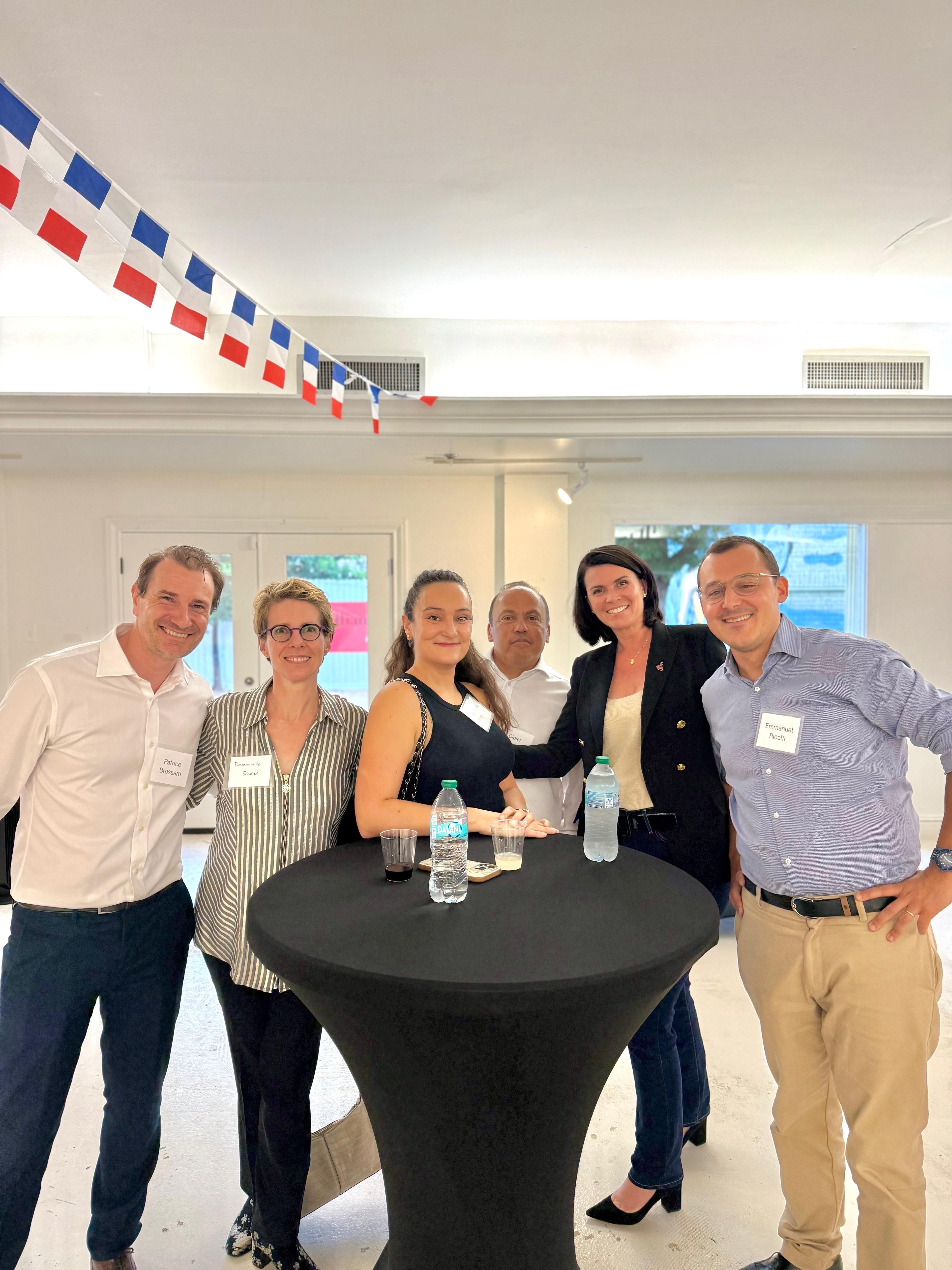
On the picture: Patrice Brossard (Bo 195), left, with other alumni participating in the event
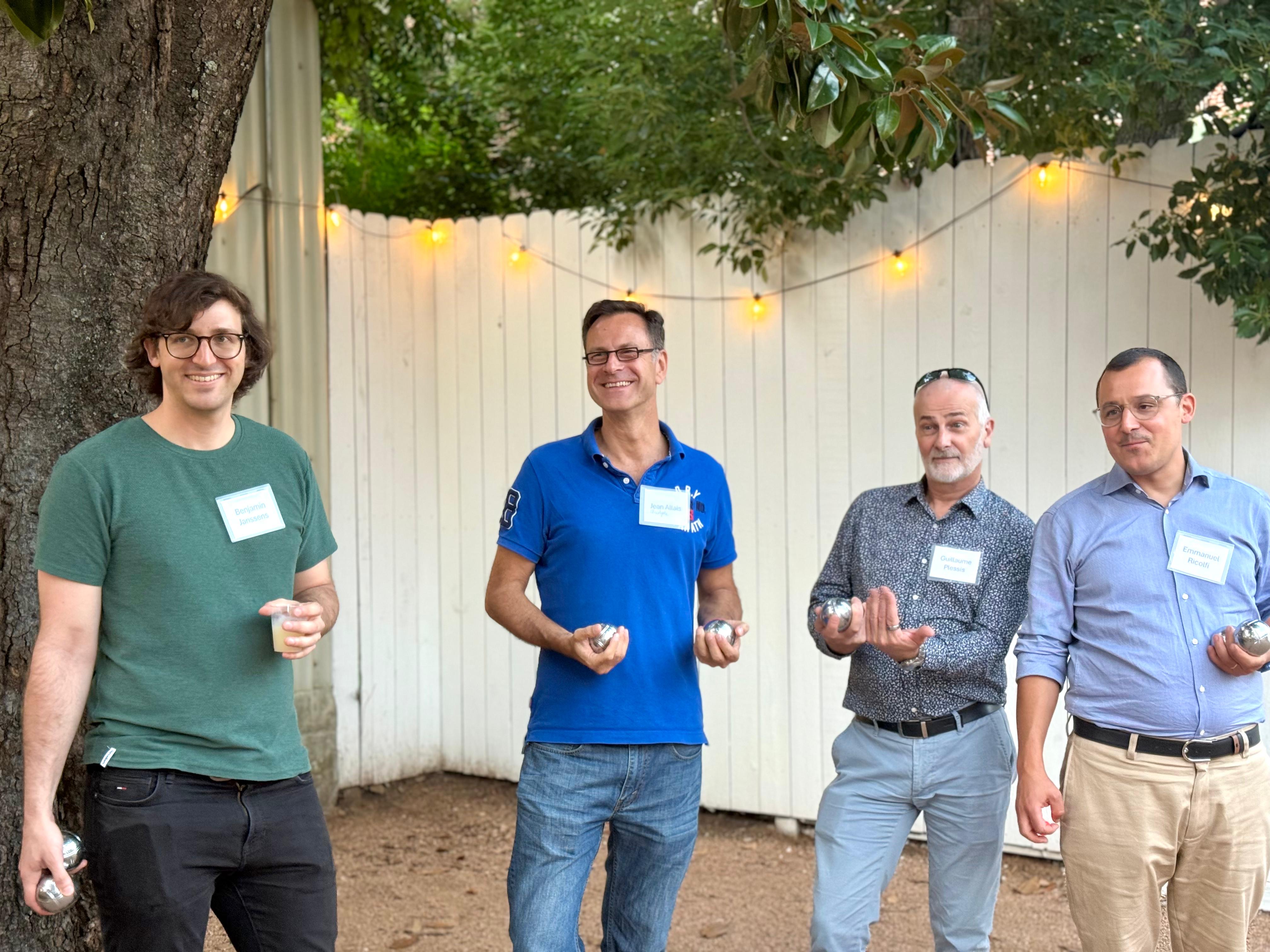
On the picture: Gadz'Arts Benjamin Miserere (Me 210), Jean Christophe Allais (Ai 192), Guillaume Plessis (An 188) and Emmanuel Ricolfi (CentraleSupelec)
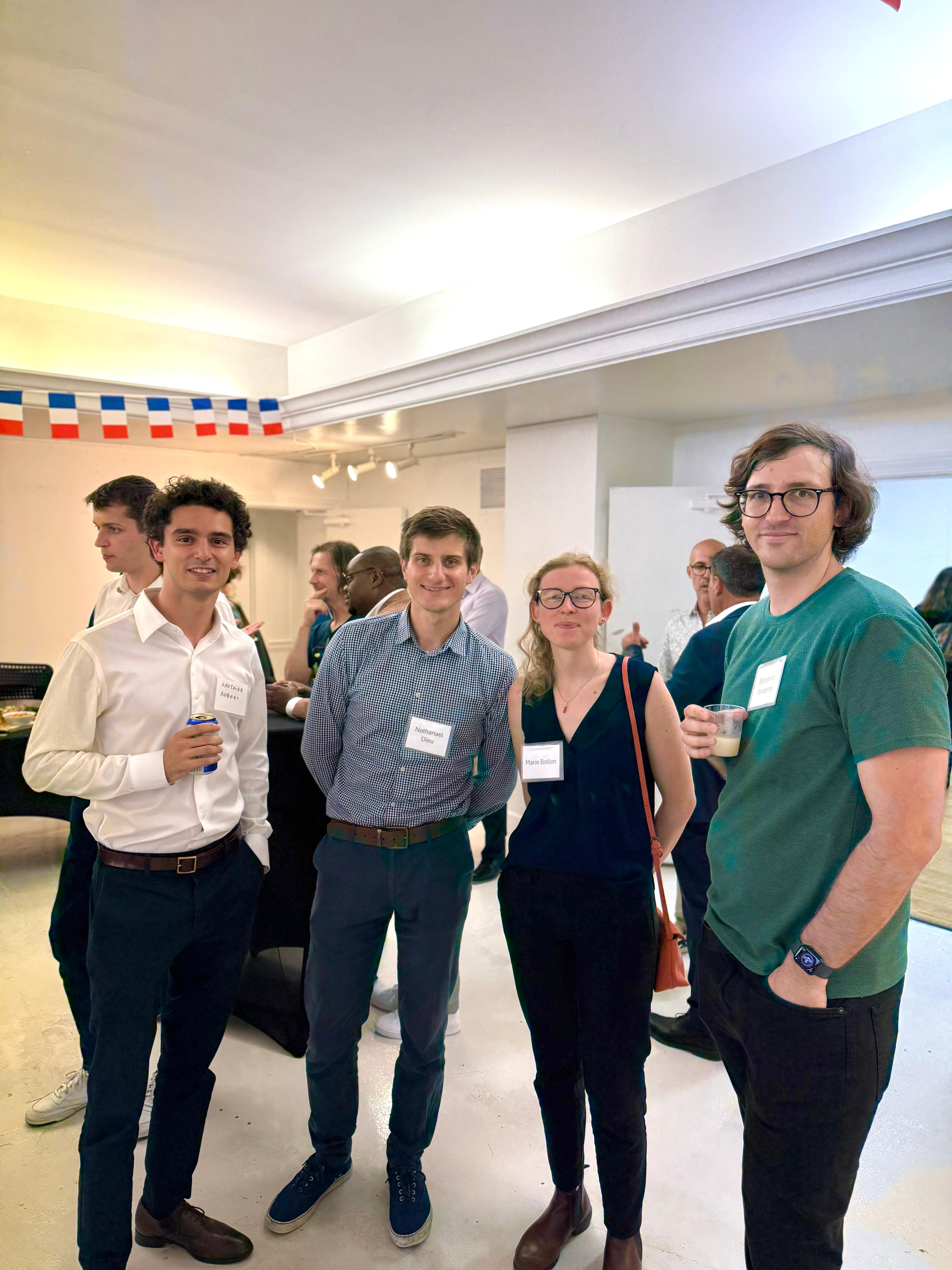
On the picture: Gauthier Aubert (Paris Dauphine), Gadz'Arts Nathanael Dieu (Ch 215), Marie Bollen (CentraleSupelec) and Gadz'Arts Benjamin Miserere (Me 210)
- Details
AFAM: Hello, Sébastien, and thank you for participating in this interview series. Please tell us a few words about yourself. What are you doing today at DRW, the company you work for, and what is this company about?
Sébastien: At DRW, my role is to step in when there’s complexity to coordinate — whether it’s a large-scale enterprise application or a project spanning multiple teams with tricky technical and business challenges. In short: I bring structure and help deliver results. The variety is what I enjoy most. One week I might be rolling out a procurement system, the next working on onboarding tools to meet crypto regulations, or supporting the deployment of ultra‑low‑latency technology in a market exchange. Most recently, I’ve been coordinating our AI transformation program.
As for DRW itself: it’s a privately held trading firm headquartered in Chicago, with offices worldwide, including New York. Known for its leadership in quantitative trading and crypto, DRW is also active in venture capital and real estate. What makes DRW unique is how it combines deep market expertise with cutting‑edge technology. For me, the best part is being surrounded by such bright minds that I often feel like the happy idiot in the room — which keeps me humble and constantly learning.
AFAM: prior to your position in DRW, you worked for a quantitative trading firm and earlier for two banks: BNP Paribas and Societé Generale.You started working for BNP Paribas in Paris and then in NYC where you are residing now. Please tell us, how come that just a couple of years after you graduated from Arts et Metiers, you joined the bank? Was it your career plan to work in the banking sector?
Sébastien: Honestly, it wasn’t planned. When I graduated from Arts et Métiers in 2001, it was the peak of the dot‑com bubble. Everyone wanted to do web development, and I was no different. I started as a consultant on web applications and had multiple offers before I even officially graduated. I thought I’d be heading straight into tech.
But my first real assignment ended up being with BNP Paribas. At first, I was skeptical — I thought banks would be less interesting from a technology perspective. My manager convinced me to give it six months, and if I didn’t like it, I could switch. I ended up loving it. I discovered a whole world I hadn’t imagined, and it taught me to stay open to unexpected opportunities. Sometimes you just have to let the wind take you somewhere new.
AFAM: What do you think is the best way or one of the ways to start in finance, especially for our students at Arts et Metiers with a major focus on mechanical and industrial engineering?
Sébastien: The traditional route is to add a master’s degree in finance on top of your engineering diploma. That typically leads to roles like quantitative analyst, risk management, or business analyst.
My path was different, less conventional. I came in from the technology side and picked up finance on the job. As generalist engineers, we’re well suited to adapt and bridge the gap between business and development. Good entry points include project management, analysis roles, application support, or change management. It’s really about applying the same skills we use in industrial contexts — understanding workflows and organizational politics, and mastering business concepts and technology. It’s also about translating needs between groups and coordinating them — just in a finance environment.
And let's not underestimate networking. Nurture connections with people working in finance and stay open to opportunities. I wouldn’t be where I am without friends who connected me to the right people at the right time, and I’m very grateful to them.
AFAM: AI poses a challenge and thread to financial engineering and trading. What are your thoughts on this? How do you adjust to the new reality and what would you like to advise to young engineers, in particular Arts et Metiers students, willing to enter the financial industry today?
Sébastien: I’m closely involved in this, as I was recently put in charge of coordinating the AI transformation program at DRW. I don’t see AI as a threat but certainly as a beast we need to tame. There’s a lot of hype, and we’ve all seen headlines about companies replacing entire teams with AI. On the ground, though, the reality is more nuanced. The technology has huge potential, but it’s not reliable - at least not yet. Recent studies suggest over 90% of AI initiatives are failing to deliver real value. Common pitfalls include the non‑deterministic nature of AI, inadequate data, poor prompting, and weak context. On top of that, many initiatives are launched out of pure hype or FOMO rather than real business needs.
That said, I’m very bullish on AI. It will become a real competitive edge for companies, and careers will follow the same trend. Those who are comfortable with the technology will be better prepared for future opportunities.
For young engineers: get familiar with AI. Learn the basics, practice prompt engineering, build agents, experiment with automation and retrieval‑augmented generation, even try fine‑tuning. But don’t lose sight of your broader role. As Arts et Métiers engineers, we are natural connectors — linking users, business, technology, and AI specialists around use cases where AI *could* bring value. And I say *could* because the risks of failure are high — which is why pragmatic, generalist engineers like us are so valuable.
AFAM: how did being a Gadz help you in your international career in finance?
Sébastien: For me, it started in Paris, where I spent seven years learning the job before being offered the chance to lead and coordinate the North America platform on the same technology. My international career wasn’t planned; it grew naturally from being ready to take the opportunity when it came.
For others aiming to go international, a few things can help. Additional credentials abroad — like a master’s or a semester at a foreign university — can open doors. A key differentiator is your network. Knowing people abroad makes it far easier. Companies rarely hand out visas without good reason; it’s costly and complicated. Associations like AFAM are also a great resource — thanks to Albina for making it work!
(AFAM’s note: obviously big thanks go not only to Albina (AFAM community manager) but to all the Gadz’Arts volunteers who serve on AFAM board, AFAM committees, as well as to our Gadz groups representatives, Shasta mentors and donors.)
AFAM: you live in New York City. What do you enjoy most about it outside of your work?
Sébastien: I love New York’s energy. It’s never boring, and so many people are here by choice, chasing their dreams — that gives the city a real kick. Cultural diversity is just as important. My family is multiracial with roots on three continents, and the city feels like the perfect synthesis of that richness. Between museums, concerts, and hidden restaurants, there’s always something new to explore. It’s also a wonderful place to meet people and raise curious minds. It truly is a land of opportunities.
AFAM: Thank you for your time, Sébastien!
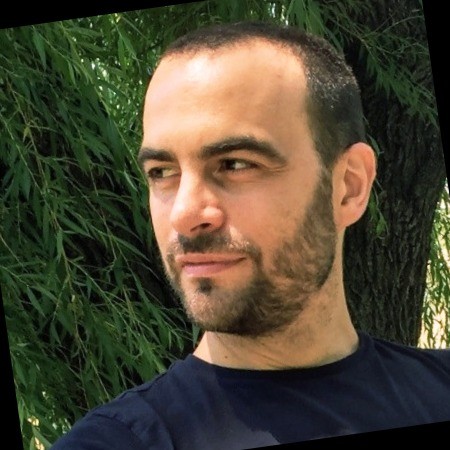
Photo: courtesy of Sébastien
Other interviews in "Financial Engineering" series:
- Details
17 Sequoia grants were offered to our Arts et Metiers parcours US and Georgia Tech Europe (GTE) students in 2025. This is the biggest number of grants ever approved in a single year (with the biggest number of applications)! Congratulations to all the students who will be receiving the grants in September! These students have already arrived in the US or will be arriving in a few days to start their exciting school year (or semester) in Georgia Tech, UC Berkeley, Stanford, Columbia or MIT.
In 2024, 12 students received the Sequoia # 2 grants and in 2023 there were only 5 Sequoia # 2 grants recipients.
Here are what students were saying in 2024 about getting a Sequoia # 2 offered by AFAM:
“Study in the United States comes at a price, but I was lucky enough to get the Sequoia grant from AFAM. I'd like to thank them again for this invaluable financial support. AFAM also offers coaching for students going to the United States for internships or university exchanges.”
“Receiving the Sequoia grant helped me cover my core degree expenses in Cambridge, which was a great support in kick-starting my academic journey at MIT.”
"Moving the US is an exciting adventure but challenging, especially financially. Affording Berkeley is not easy and high living costs at the bay area adds to the pressure. So, AFAM Sequoia # 2 grant was incredibly helpful covering some part of my fees especially in the first months. I appreciate AFAM for making this transition smooth.”
We are looking forward to meeting the grants recipients during our upcoming events in San Francisco, Atlanta and Boston!
- Details
The new school year started and AFAM would like to invite Arts et Metiers students to join the Shasta program and get some help in a very rewarding (but sometimes challenging) internship search in the US.
If you are a student on Paris, Châlons-en-Champagne or Cluny campus, you'll have the opportunity to meet Albina, AFAM community manager, in person in October
Paris - October 20, 21 and 24
Châlons-en-Champagne - October 22
Cluny - Otober 23
Here is what our Shasta candidates and interns are sharing about their experience in the Shasta program:
"When I joined the Shasta Program, I was just convinced that I wanted to experience living and working abroad, without a real project backing this up. I was about to throw myself into the recruitment process without knowing the differences with France, and I am pretty sure I would not have been able to communicate my ambitions clearly. My mentor helped me adapt my documents and speech, to match a project that we built together with strong foundations. I learned what to expect from recruiters in the US, how to communicate my ambition and the added value I could bring, and it really helped me build confident throughout my search."
Arthur, Shasta intern
“When I started looking for an internship in the United States, I knew the odds were not in my favor: short duration, no funding, and the constraints of the aerospace sector for foreign students. What made the difference for me was the guidance I received through the Shasta program—especially from my mentor. Thanks to his advice, I completely rethought my strategy. Instead of targeting aerospace companies—which rarely take international interns due to ITAR and visa restrictions—I focused on contacting research labs at top U.S. universities. My mentor also helped me understand the importance of sending highly personalized, concise, and well-targeted emails, not generic messages. This led to a one-month research internship at the Nonlinear Computational Aeroelasticity Lab (NCAE) at Georgia Tech—one of the top aerospace programs in the country. Beyond strategic advice, the Shasta Grant also provided vital financial support to make the experience possible. I'm deeply grateful to AFAM for this opportunity, and I highly recommend the program to anyone seeking internships in the U.S.—especially if you're unsure where to begin or how to approach the process.”
Ilan, Shasta intern
“My mentor, along with AFAM, helped me discover all the specific requirements for applying to internships in the United States. Indeed, the selection criteria are different, and you need a tailored profile to apply and hope to be accepted. Thanks to AFAM and my mentor, I was able to properly build a US-style resume, search for contacts among alumni in the US, and start creating a portfolio.
Louis, Shasta candidate
 BLOG /
  CALENDAR /
  DONATIONS /
  MENTORS /