Protean
  • Home
  • About
      • Back
      • Mission
      • Team
      • Donors
      • Our Students and Alumni
      • Regional Groups
          • Back
          • West Coast Group
          • Central Group
          • East Coast Group
          • S. California Group
          • Cities - Atlanta
          • Cities - Boston
          • Cities - Detroit
          • Cities - Chicago
      • AFAM Newsletter
  • Partners
      • Back
      • School
          • Back
          • Research
          • Doctorate
          • Testimonials of American Students
          • Academic Partners
      • Arts et Métiers Alumni (la SOCE)
      • La Fondation Arts et Métiers
      • Organization Partners
  • Our Programs
      • Back
      • Shasta (internships)
          • Back
          • Internship Postings
          • Shasta Grants/Loans
          • Student Reports
          • Prepare Your Stay
          • Prepare Your Application
      • Sequoia (studies)
          • Back
          • Sequoia Grants/Loans
          • Educational Systems
      • Yosemite (entrepreneurs)
          • Back
          • Yosemite Mentors
  • How to Help
      • Back
      • Become a Donor
      • Shasta Mentor
      • Shasta Referrer
      • Sequoia Coach
      • Community Volunteer
      • Shasta for Companies
  • Contact

Login

  • Forgot your password?
  • Forgot your username?
  • Create an account

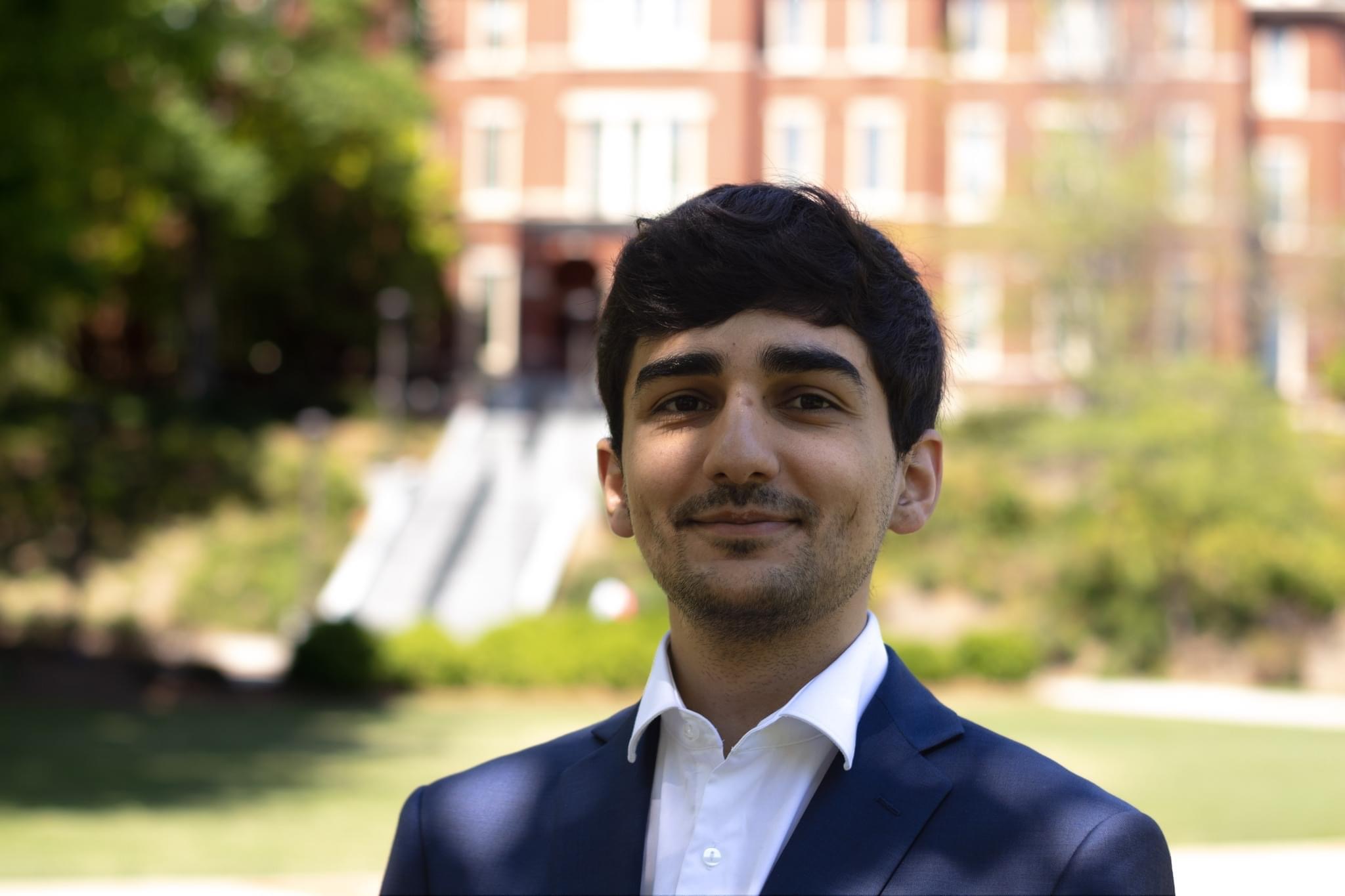
Zoom on: interview with Léo Nerini (Ai 223), intern at Thermo-Fluids Laboratory at the George Washington University ( Washington DC, USA)

Details
Published: 28 August 2026

AFAM: Hello Léo, you are an intern at Experimental Fluid Dynamics and Nuclear Thermal-Hydraulics laboratory at the George Washington University ( Washington DC, USA). Please tell us a few words about your internship role?

Léo: 

So, during my internship I'm working in experimental fluid dynamics. Basically, to study a flow, measuring velocities, shear stresses, sometimes even reconstructing pressure fields, we use optical methods with lasers, like PIV or LIF. The nice thing about them is that they're non-intrusive: we don't disturb the fluid with a probe, we just "look" at it with light.

The problem is that as soon as you have a slightly complex geometry, which is exactly where these measurements matter most, it becomes really hard to get a clean, undistorted line of sight for the laser. When light passes through the wall and then the fluid, if those two materials don't have the same refractive index, the image gets distorted. It's a bit like looking at a straw in a glass of water and seeing it 'break' at the surface, so your measurements end up geometrically off.

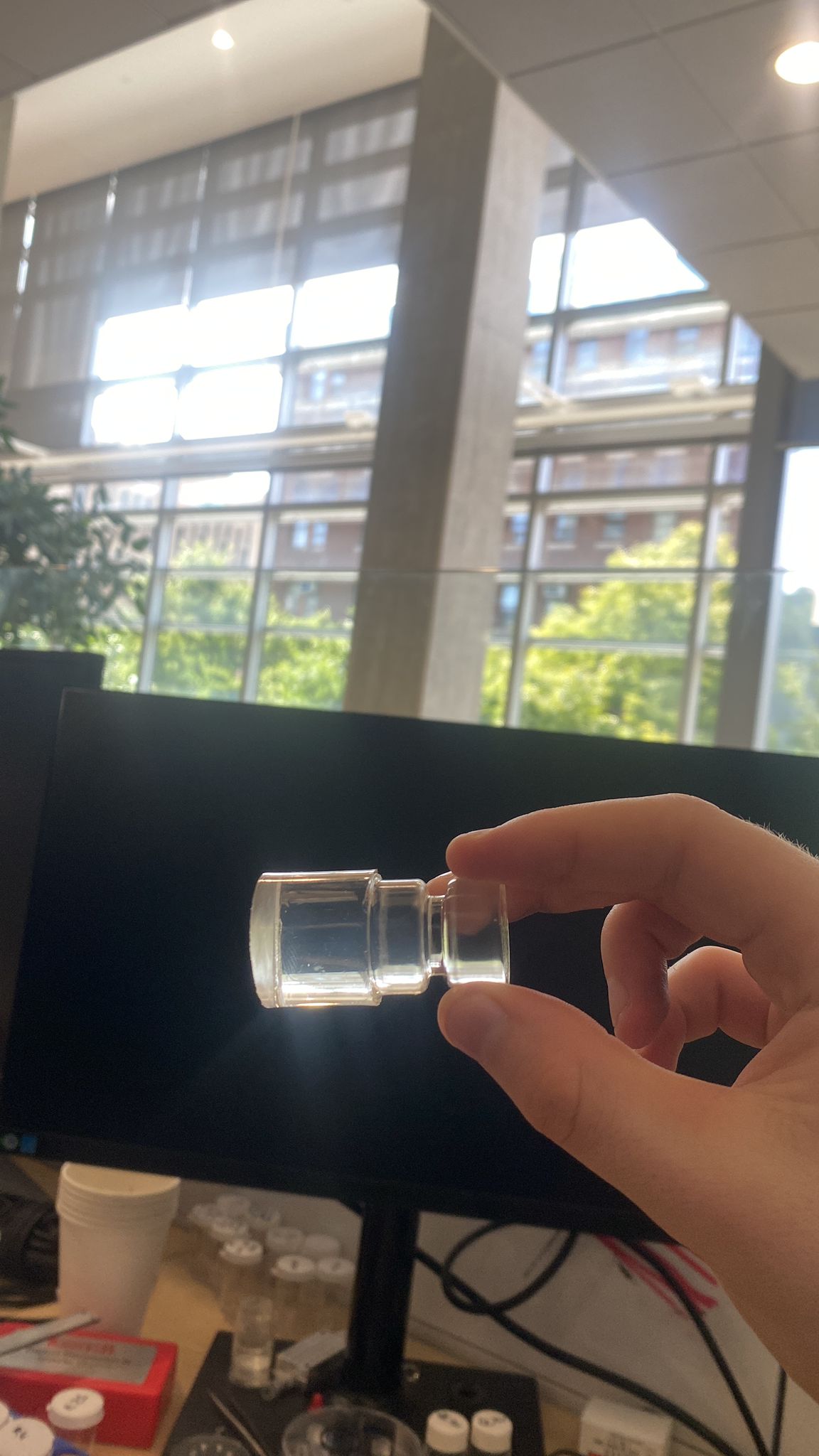
The way to fix this is what we call refractive index matching: you make the wall and the fluid "optically invisible" to each other by giving them the same index. And that's basically my job here, I'm developing a new material, matched to water, that lets us do accurate laser-based flow measurements in complex geometries, with the shape we want, at a reasonable cost and with the right mechanical properties.

AFAM: how did you find this internship? Was it hard? What makes you the best fit for this role?

Léo: 

I'm in my final year at INSTN, and part of the program is to do an internship connected to one of the subjects we're taught,  in my case, hydraulics. So, I started reaching out to research labs. I focused on that side because in the nuclear field, without American citizenship, a lot of doors are basically closed, so research labs were the natural fit. And when I came across this subject, I found it really interesting, especially because it's not limited to one application: it can potentially be used anywhere in industry where you need to take regular, non-intrusive measurements in a flow.

Was it hard? Honestly, I think if you're passionate enough and you keep an open mind, nothing is really too complicated. You find solutions by staying focused on the problem in front of you and breaking it down.

As for what makes me a good fit, I already had a solid scientific background on the research side, and I think that matters a lot here. You can't be afraid to take initiative, to try things, and to lean on rigorous mathematical methods to check and validate your own results and measurements. That mindset is really what this kind of work needs.

AFAM: We currently have several students in our Shasta internship program. What piece of advice can you give them?


Léo: Show that you're genuinely interested, don't give up, and send out applications everywhere.

Tailor your CV to each offer. Use strong action words, and use the STAR method to talk about your experiences : Situation, Task, Action, Result. It works really well, recruiters love it. And use AI to your advantage: one thing that works great is asking it to act like an ATS filter for a specific job offer, so you can see how your CV holds up and adjust it.

Your LinkedIn profile is an extension of your CV  but keep in mind you don't necessarily have to list every single professional experience on it. Be selective.

And don't hesitate to add a 'Leadership' section  it really helps show what you're capable of beyond the technical side. And there again, use the STAR method to back it up. PUT NUMBERS (money, people..)!!


AFAM: how did being a Gadz’Arts help you in your professional life so far?

Léo: So far not that much, I'm mostly relying on ENSAM recognition. One of the professors in the lab was French and knew the school. I think it was helpful. 

AFAM: You live in Washington DC? How do you like it? What do you enjoy outside of your work?

Léo: 

Yeah, I live in Washington DC! The city is fairly big and it has a metro system, so that's really convenient. With this being said, my advice would be: don't hesitate to buy an old, cheap car once you're there, it pays off quickly given how much you end up driving day to day. I'm lucky because I'm not too far from where I work, but I think in most American cities a car is really recommended. The streets are built around car life, and most buildings have an underground garage.

Outside of work:  it's pretty cool, I'm right next to where the United States became independent. The city is steeped in history, so I actually got myself up to speed on American history. It helps you understand a lot about how the country works, and it's interesting because the American Revolution is very connected to the French Revolution.

Apart from that, the city is lively. I've met quite a few people from different circles : sports, the lab, friends of friends,  so there's always something to do. And I'm only about four hours from New York by bus, so of course a little trip there was kind of a must.


AFAM: thank you, Léo

To learn more and join the Shasta internship program offered by AFAM, please click HERE

All pictures: courtesy of Léo Nerini
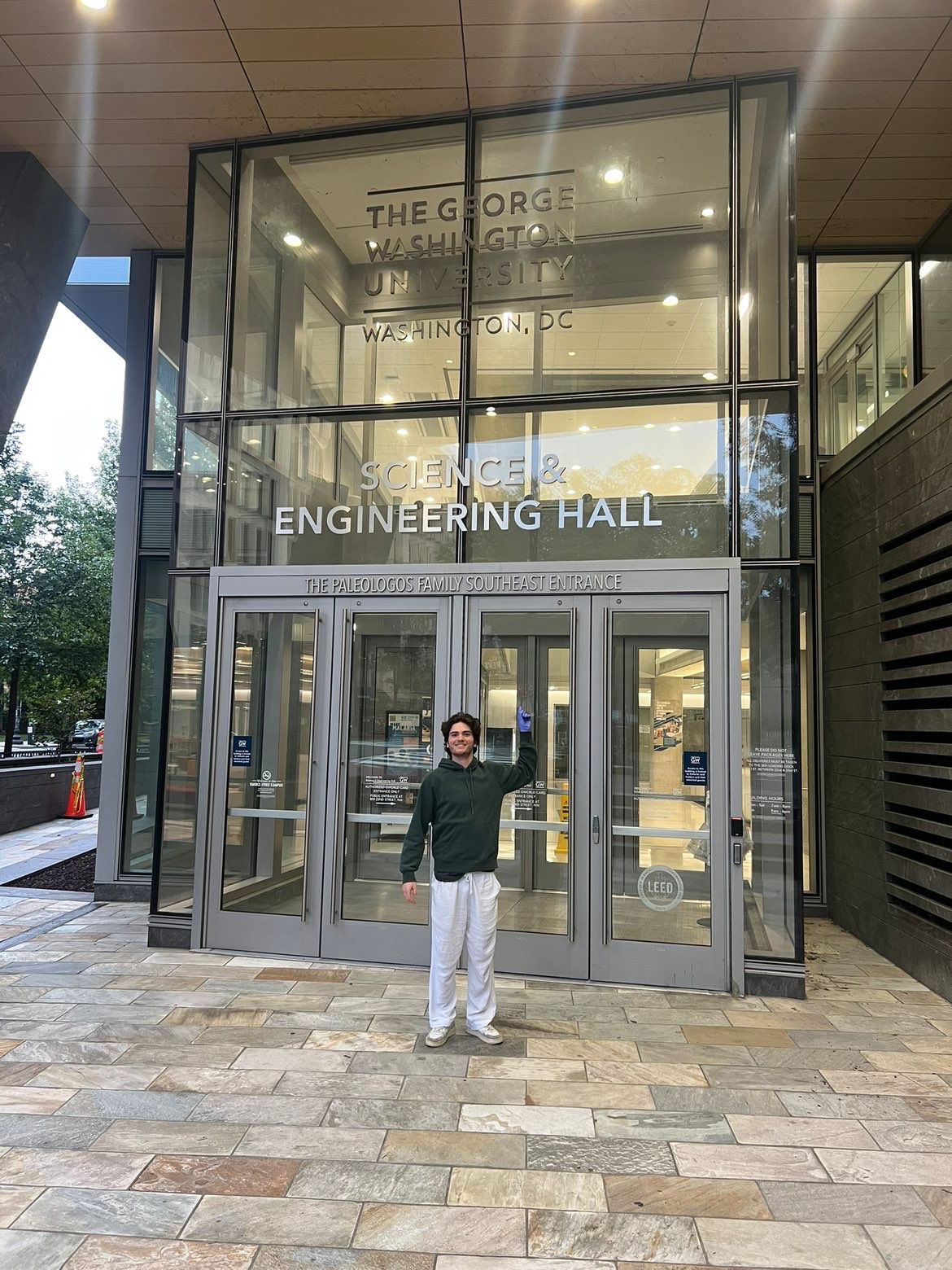
Léo at at the George Washington University
developing a new material
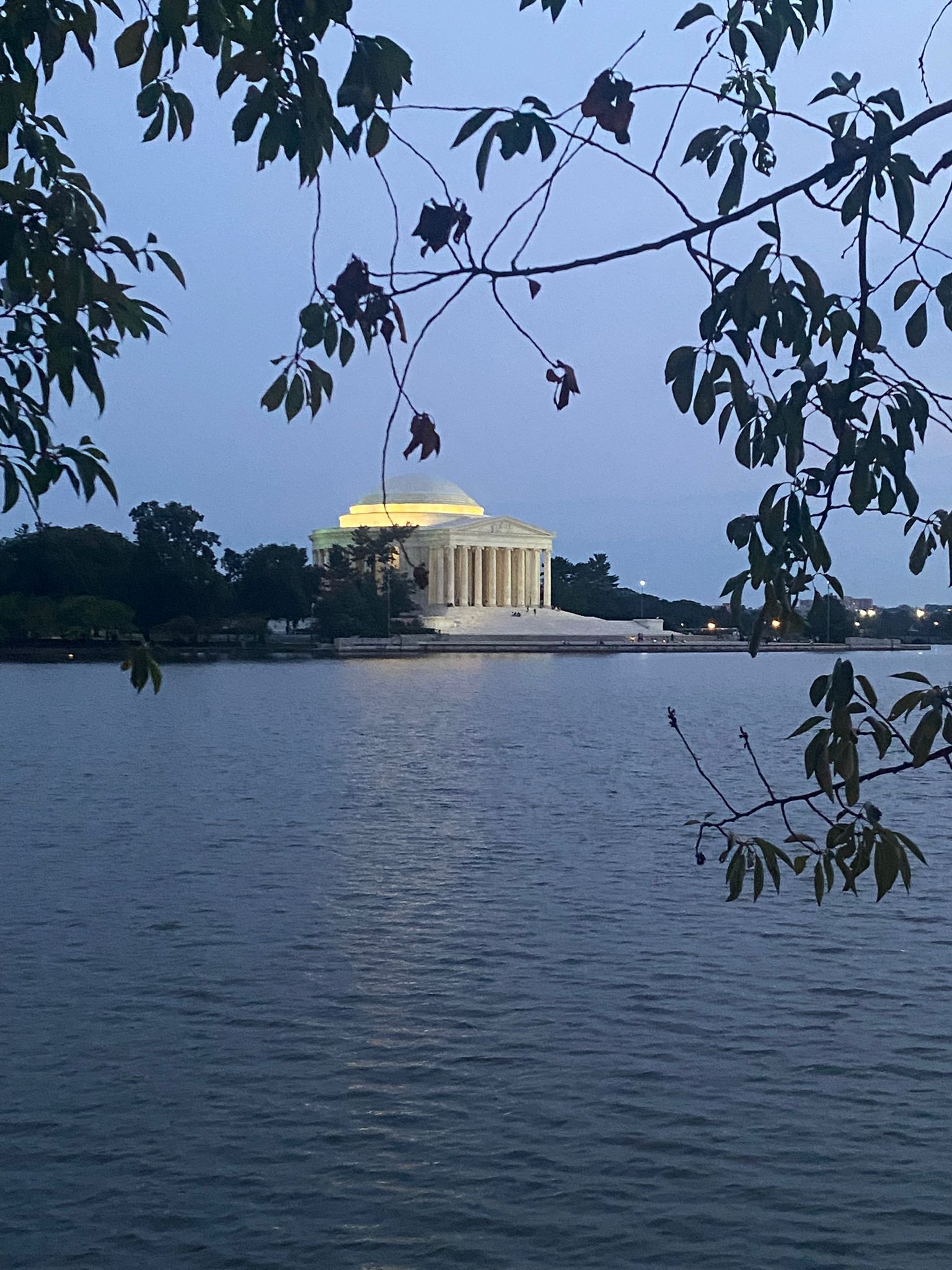
View on Jefferson Memorial

Atlanta-based alumni welcomed Georgia Tech Europe (GTE) students

Details
Published: 24 August 2026

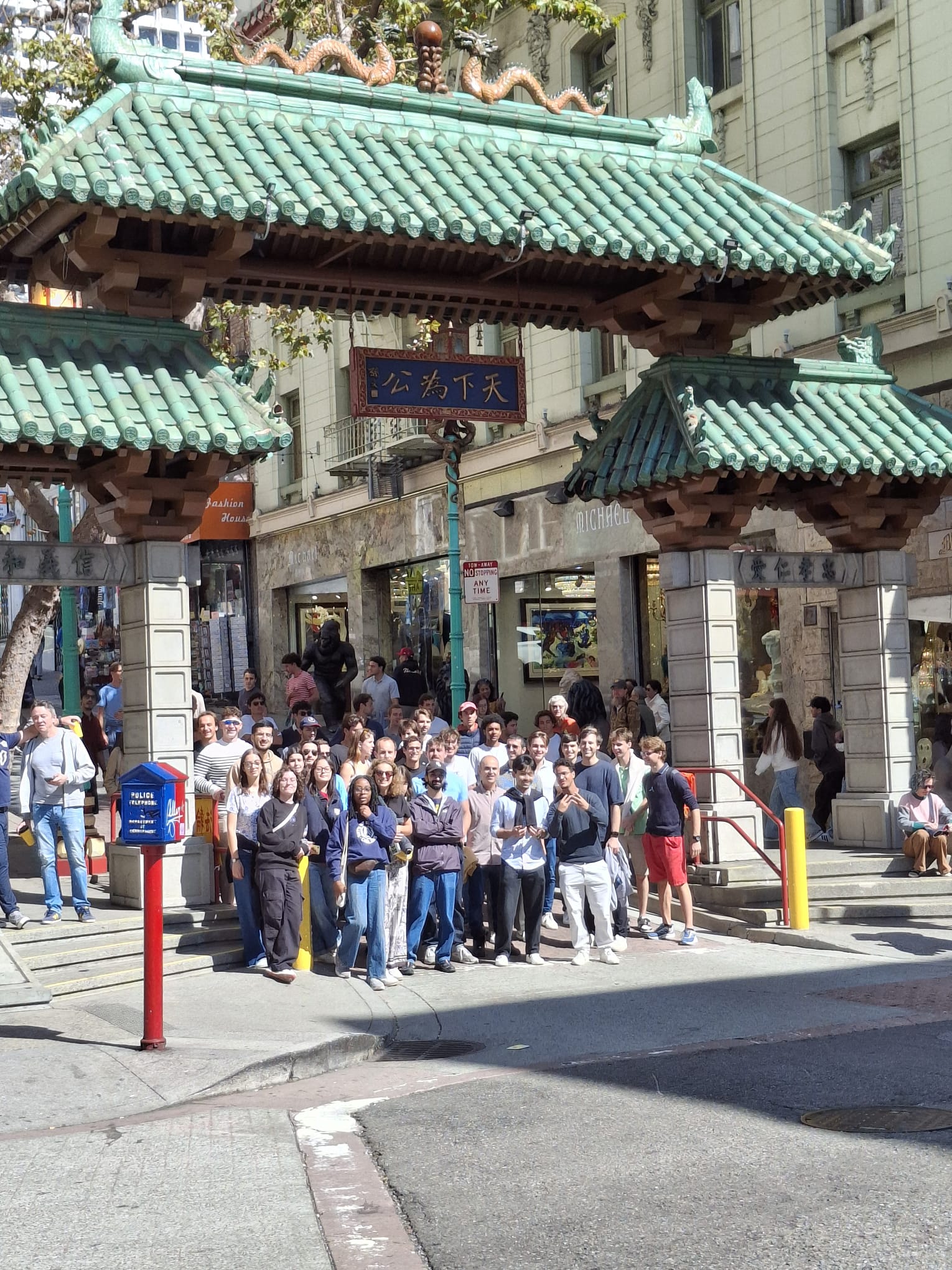
Last week, 32 Georgia Tech Europe (GTE) students were welcomed in Atlanta by our local Gadz’Arts alumni group.

The students had the opportunity to meet five Gadz’Arts who live and work in the Atlanta area, exchange about their experiences in the United States, and strengthen connections within the Arts et Métiers community.

A big thank you to Valentin Fehr (Cl 212), Atlanta groupe representative, for welcoming the students and helping organize this gathering!

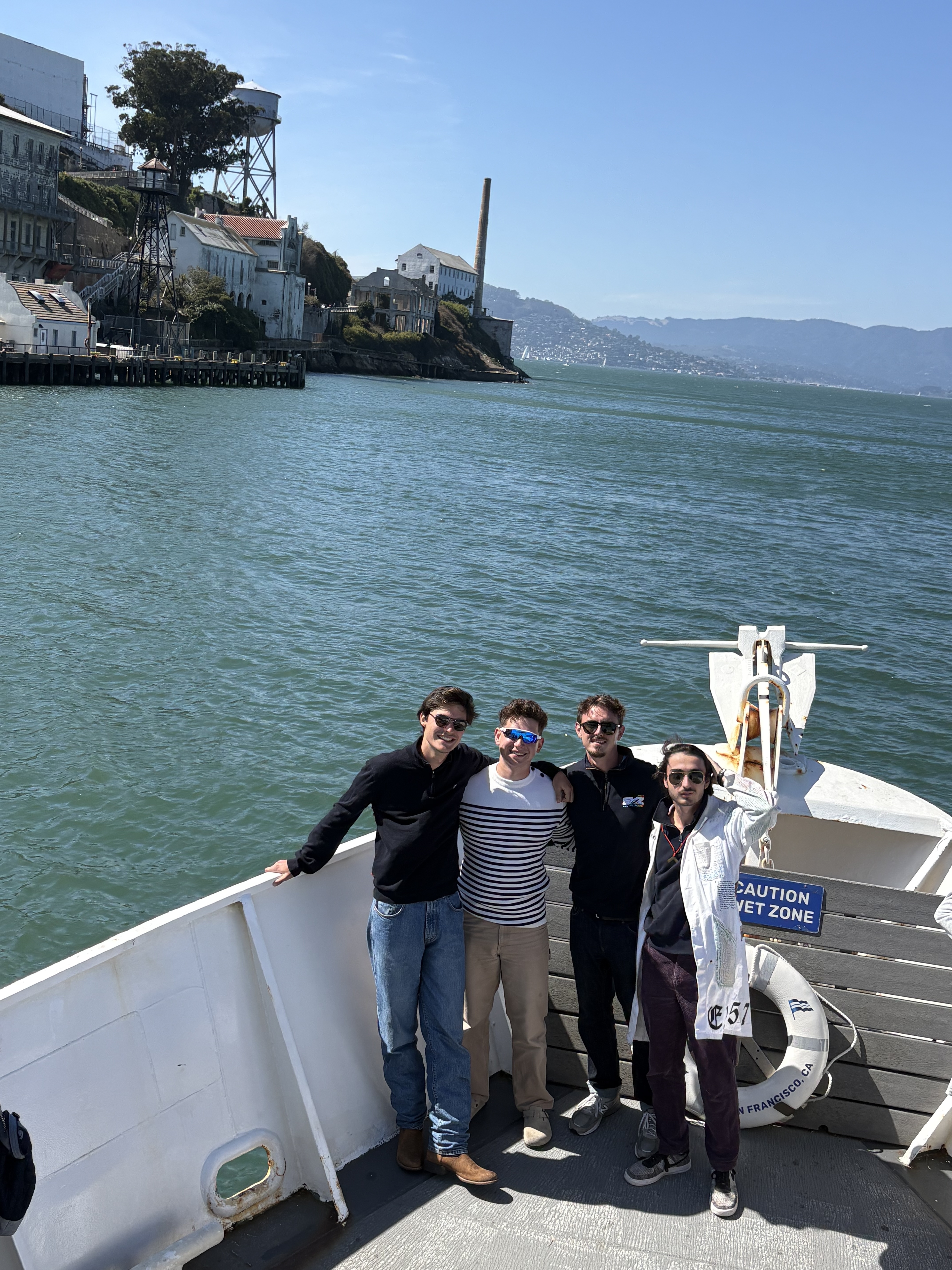
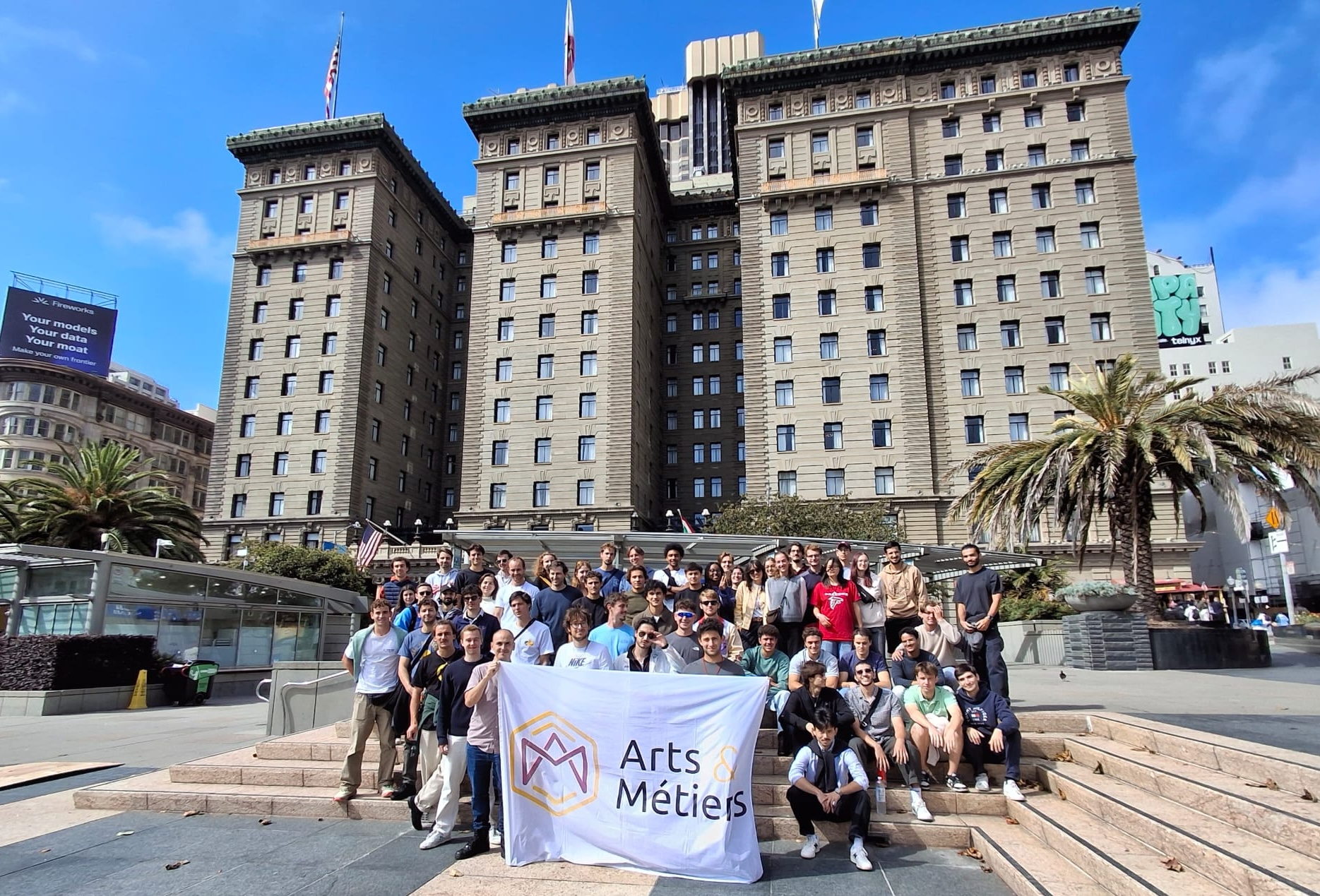
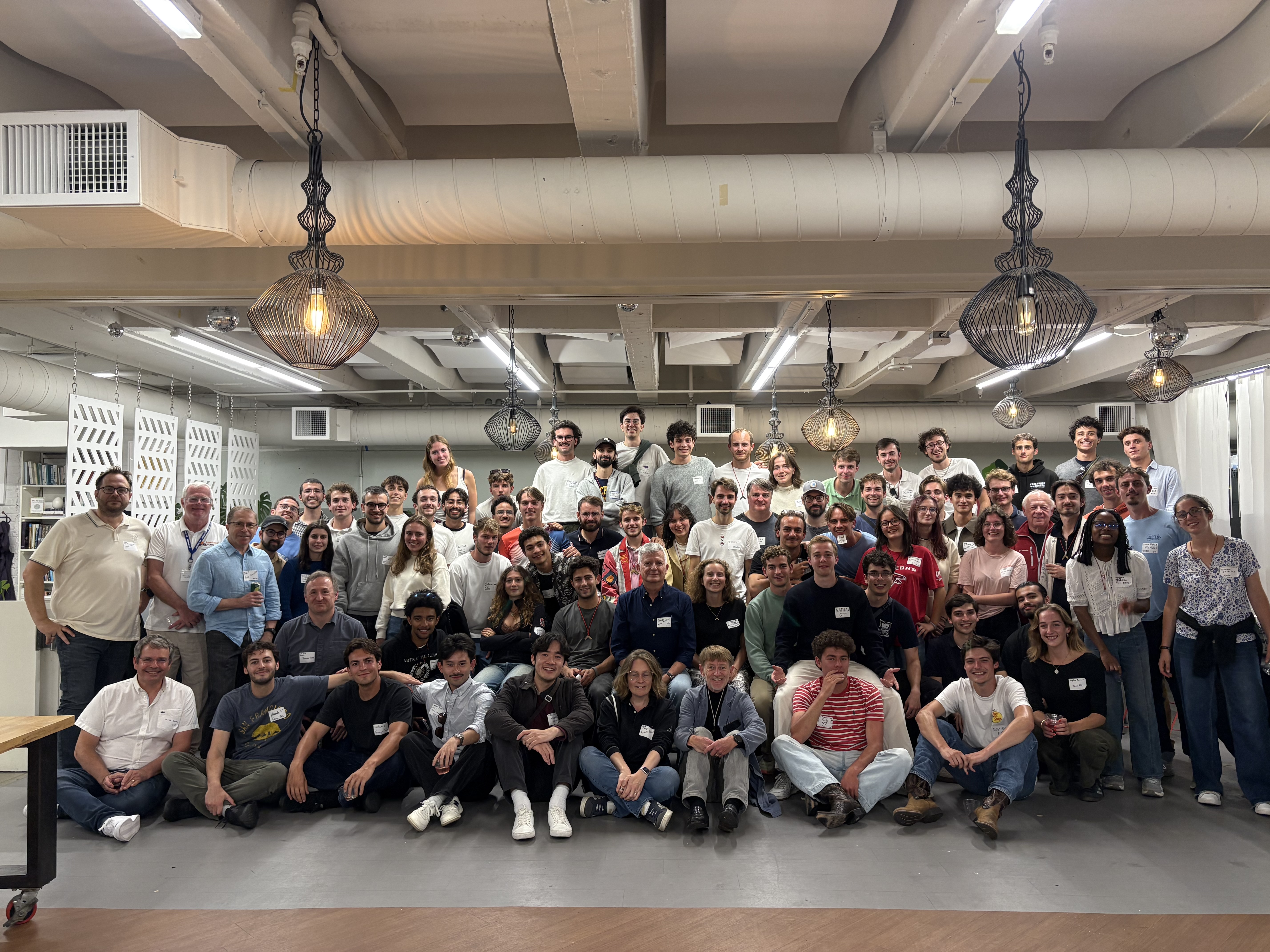
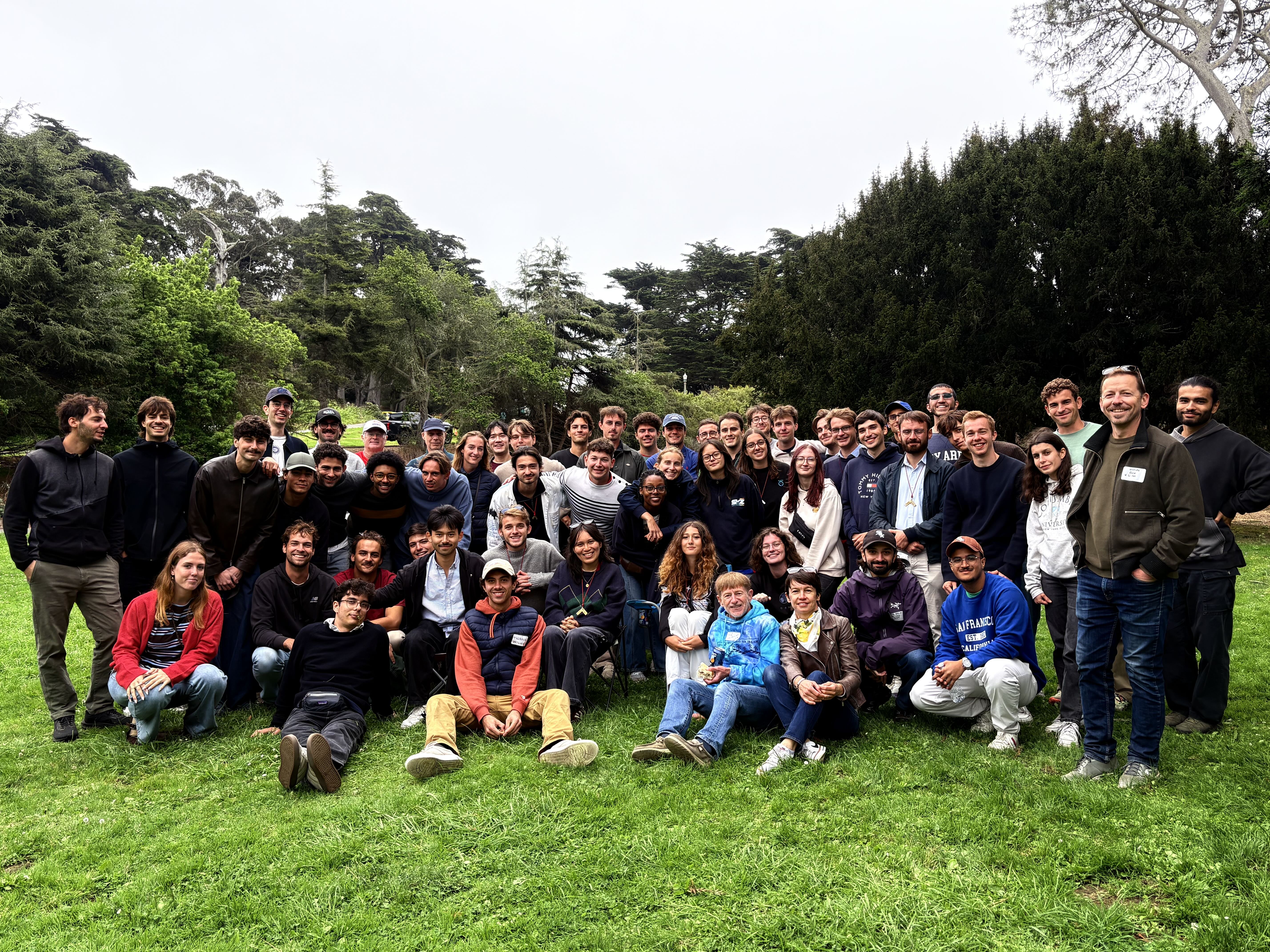
We hope to see some of them again at our 2026 GadzMeet, taking place in San Francisco on September 19–20.

Zoom on: Interview with Thibault Galouye ( Bo 222)

Details
Published: 18 August 2026
AFAM: hello Thibault, you are an intern (VIE) at Orano (Maryland, USA). Please tell us a few words about your VIE role.
Thibault: Hello, indeed, I recently joined Orano Enrichment USA for a VIE position as a Supply Chain Analyst. I am working on Project IKE, which consists of constructing a multi-billion-dollar centrifuge uranium enrichment facility in Tennessee.
I am mainly working within the procurement team, in close collaboration with the project management team. It is very interesting to be working on a project of this scale within the energy industry. I am learning a lot about very different areas related to Purchasing, Project Management, and the specific requirements of the nuclear industry.
AFAM: how did you find this VIE opportunity? Was it difficult to obtain this role? What makes you the best fit for this role?
Thibault: I found this VIE opportunity on the Business France website. It was pretty difficult to find this first job with only six months of experience. At first, I was mainly looking for a VIE opportunity in the supply chain sector, and I think there is a lot of competition for these types of positions. I applied to a lot of offers and finally got this opportunity.

I wouldn’t say I am the best fit, as several different profiles could fit this position by bringing different skills and perspectives. Nevertheless, I think that the nuclear sector is very technical, and the education I received at Arts et Métiers, with its strong focus on industry, is very helpful for me in understanding the requirements of the position.

Also, I think that my recent internship, where I worked with established processes, is helping me now, as I am working on a new project with many procedures and reporting tools to implement. I can take inspiration from my previous experience.
AFAM: We currently have several students in our Shasta internship program. What piece of advice can you give them?
Thibault: I would say: be bold and apply to the offers. Don’t hesitate to contact people, through the Soce or other means. It is also important to prepare for the interviews.
From my limited experience, it is a lot about opportunities to seize, and you have to dare to take them. You also have to be bold and resilient in case of unsuccessful applications.

Finally, I think it could be a great opportunity for them to discover a new culture and new ways of working.
AFAM: how did being a Gadz’Arts help you in your professional life so far?
Thibault: It helped me find my six-month internship, as I sent a message to a Gadz’Arts who helped me get an interview. For this VIE, I think it also helped me, but in a different way: it is more the reputation of the school that helped me secure this position. And as I said before, I think that in this sector, even though I didn’t study nuclear energy before, many of the different skills I developed during my years at Arts et Métiers are very useful.

Finally, I think that it is also helping me in my personal life. I have met several Gadz’Arts who are based in the US, and they have given me a lot of advice and feedback.
AFAM: You live in Maryland? How do you like it? What do you enjoy doing in your spare time?
Thibault: Actually, I live in Washington, D.C., and I work in Maryland. I really enjoy it, as there are a lot of different things to see: monuments, museums, neighborhoods, and so on.

There are also a lot of great places to discover around the area, such as Shenandoah National Park and even some cities along the East Coast.
AFAM: thank you, Thibault
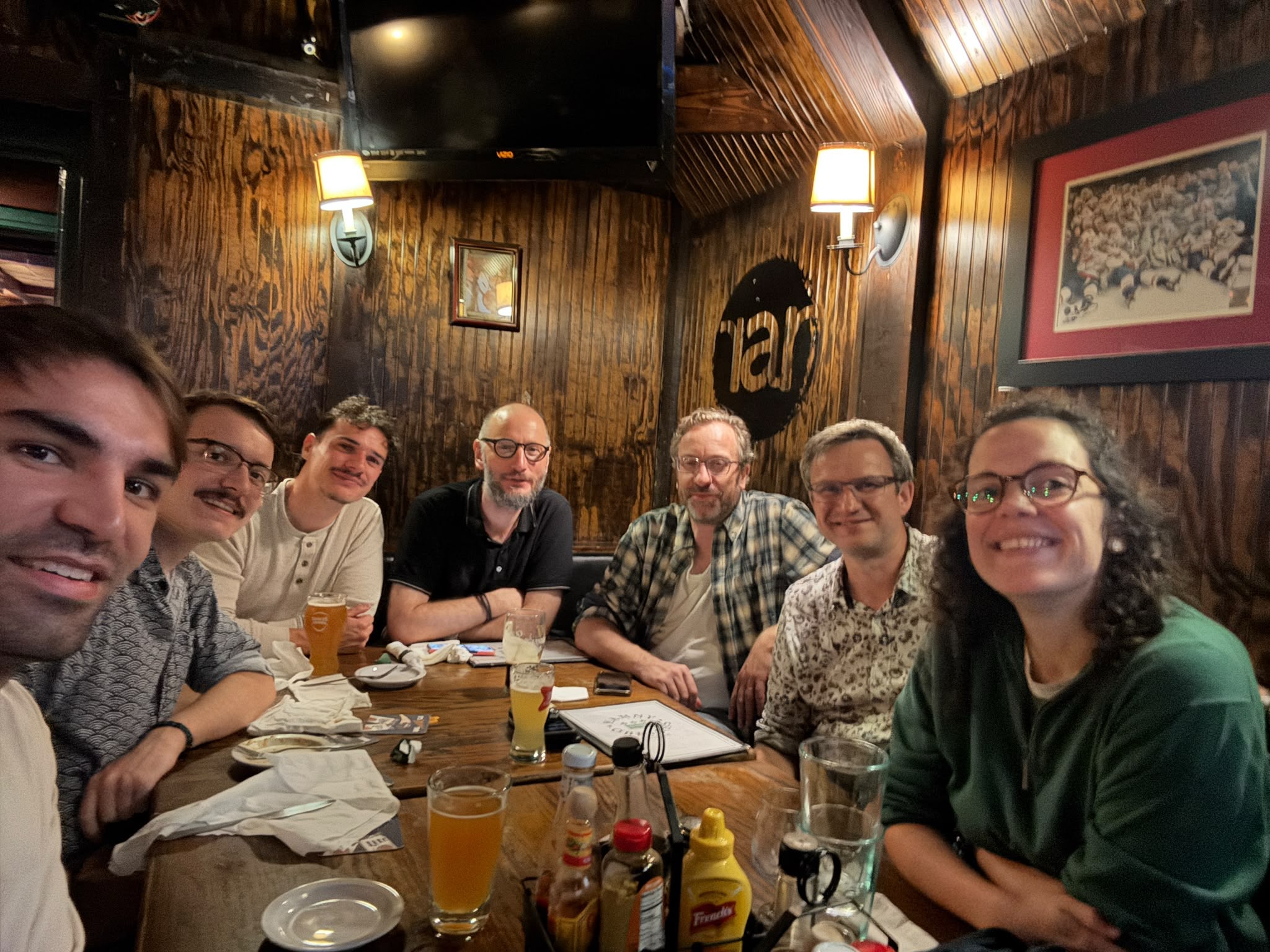
Picture ( courtesy of Thibault): Thibault (in the center) with friends at Shenandoah National Park
Please read other interviews in our "Zoom on" series
Please join our Shasta program if you want to find an internship in the United States

"Giving back to your community": interview with Benjamin Miséréré (Me 210)

Details
Published: 12 August 2026

AFAM: Hello, Benjamin and thank you very much for finding the time to answer our questions. You are currently helping a new Central group president, Mathilde Godard, build and maintain a Houston-based (and even broader, Texas-based) Gadz group. Please tell us a few words about how it is going so far. 

Benjamin: The saying goes, 'Everything is bigger in Texas,' and with the number of Gadz'Arts spread across multiple industries, cities, and stages of life, keeping track of the community as a whole can be a challenge. 
 
To address this, we are organizing different types of events, from casual gatherings to more professional networking opportunities. We are already seeing many new faces and different people showing up depending on the type of event. 
 
Whether it is reconnecting with Gadz'Arts who have been temporarily away from the community or welcoming new VIEs and students pursuing dual-degree programs with Texas universities, it is always a great opportunity to reconnect with the fraternity that links us all together. 


AFAM: You are also one of AFAM Shasta mentors, helping the Shasta program thrive. Thank you for that! Any other non-profit experience you can remember of, especially when you were still a student at Arts et Metiers school? 

Benjamin: I wish I had known about the SHASTA program during my own studies in the United States, so anything I can do to help promote and support it is highly motivating. Being a mentor is simply a way to share my experience with students looking for internships or opportunities in the USA. 
 
Navigating a different educational system and culture can be intimidating, so I hope to provide useful guidance and help our future engineers succeed in this country. 
 
During my time at Arts et Métiers, I was involved in several student-led activities and community initiatives, although what I cherish most are the friendships and experiences that taught me the importance of teamwork, leadership, and helping others. 
 
I have always believed that professional success comes with a responsibility to give back, whether through mentoring, alumni engagement, or supporting the next generation of engineers. 


AFAM: You are a Sr. Manager Technical Sales at PropWR. Could you please tell us about your current job and the company you work for? 

Benjamin: I am currently a Senior Manager in Technical Sales at PROPWR, a company focused on behind-the-meter power generation and microgrids. 
 
My role sits at the intersection of engineering, sales, and project execution. I work closely with customers to understand their operational requirements, evaluate technical solutions, and develop commercial structures that help bring complex power projects to life. 
 
I do not do what many would consider 'traditional engineering' work anymore, but I rely every day on the multidisciplinary education we benefited from as Gadz'Arts. Being able to understand the fundamentals of mechanical engineering, electrical engineering, software, and business is essential to seeing the bigger picture and providing expertise that is not always easy to find from American people. 


AFAM: Please tell us a bit more about your beginnings in the United States. 

Benjamin: My journey started when I first set foot in Atlanta for my Master's degree at Georgia Tech. Before the semester even started, we rented a convertible Ford Mustang and went on a road trip across the American West. As for the studies themselves, if you have gone through the classes préparatoires system in France, you will probably find the American academic system easily manageable. 
 
After completing my Master's degree, a fellow Gadz'Art called me about an internship opportunity in Houston. After several visas, a VIE assignment, and some consulting work, I now finally consider myself a local. 
 
Looking back, not much has changed. I still enjoy road trips with friends and still get the same excitement every time I explore a state I have never visited before. 


AFAM: You live in Houston, Texas. Please tell us what activities you enjoy the most during your free time? 

Benjamin: Texas is almost a country of its own. The lifestyle took some getting used to, but I am now the proud owner of a cowboy hat and boots. 
 
Joking aside, Houston is a large and diverse city with endless suburbs, but also endless things to discover. It is well known for its food scene, including a Michelin-starred barbecue restaurant, but there are also plenty of indoor and outdoor activities to enjoy. 
 
It is also a great place to be based, especially when you feel the need to escape the flat landscapes of the 'Third Coast' and explore somewhere new. 


AFAM: We are in 2026! 19 years for American Friends of Arts et Metiers and still counting! What would you wish for AFAM today in 2026? 

Benjamin: My wish for AFAM is to continue growing as a bridge between generations and between Gadz'Arts communities across North America. From helping newcomers through SHASTA and other programs to reconnecting alumni who may have drifted away from the network, the strength of Arts et Métiers has always been its people. 
 
I am looking forward to future events, Gadz'Meets, and other opportunities to bring alumni together and continue sharing the values of solidarity, fraternity, and mutual support that define our community.

Pictures: courtesy of Benjamin

Please read other interviews in our "Giving back to your community" series:

Interview with Eric Benhamou (Ai 172)

Interview with Michel Vulpillat (Ch 183)

Interview with Jean-Luc Nauleau (An 81)

Interview with Jérémy Berros ( Li 206)

Interview with Valérie Prulhière (Li 187)

Interview with Alain Mutschler ( Ch 190)

“Zoom on”: Interview with Léopold Blaise ( Cl 223), intern at Atelier Première, New York

Details
Published: 31 July 2026

AFAM: Hello Léopold and thank you for agreeing to answer our questions. You are currently an intern at Atelier Première in New York. Could you please tell us a few words about your current role and about the company you work for?

Léopold: I'm working under a VIE contract at Atelier Première, as this entity had the qualifications required to host a VIE, but I actually work for Cypres Lessols Americas. Both companies belong to the same group, Ateliers de France, which specializes in heritage preservation and high-end construction. My company is specialized in luxury flooring, and I'm in charge of supervising all our projects in the US, as well as in Mexico and Canada. I'm a project manager, but also a business developer and a supervisor . The great thing about working in a small structure is that you become extremely versatile and get to do something different every day. More concretely, I handle the logistics, quotes, invoices and job sites for our projects. I also do a fair amount of prospecting, and I regularly get to interact with GCs, architects and designers, which I really enjoy.

AFAM: How did you obtain this internship? Why do you think you were the best candidate for this position?

Léopold: I got this internship by sending a spontaneous application directly to the management of the Ateliers de France group, and I was lucky enough to get a reply. An opportunity came up at the exact moment I was looking for an internship abroad, in the wood industry, which matched their needs perfectly. In all modesty, I think I had exactly the right profile for the job: as an engineer specialized in wood, having also completed an internship in a flooring factory two years ago, and being someone who adapts easily to many different environments, I met their need for a manager who is both technically skilled and open to the commercial side of the job.

AFAM: What do you enjoy the most about your current role? What is or was the most challenging for you?

Léopold: What I appreciate the most is the responsibility I'm given and the ability to make my own decisions. To give you an example, barely a month after arriving in New York, I was sent to LA to supervise a job site, all on my own! There's no better way to learn and get to grips with the trade quickly. I travel a lot, I meet very different people, and unexpected situations come up all the time, it's all very stimulating.

AFAM: How did being a Gadz'Arts help you in your professional journey so far?

Léopold: What I see as the greatest strength of a Gadz'Arts in a professional setting is their adaptability and their responsiveness in crisis situations. Always being willing to step up, and tackling a problem quickly while still taking the time to think it through: that's a mindset I learned to develop during my two and a half years at the school.

AFAM: You live in New York. Any activities you enjoy doing outside of your work? How do you like the city of New York?

Léopold: That's a really tough question… No, I'm kidding, of course I love New York! This city is absolutely crazy, and I'm not exaggerating the way Americans do. Actually, if the question is tough, it's because it's not easy to describe this feeling of happiness that never fades. For me it's even more special, because I never asked to come here; it was an offer that was made to me, and one I almost hesitated to accept at first, as I rather wanted to head to the countryside after my "Cluny" period. A Gadz'Arts feels right at home in New York; there's a lot of partying. I meet people from all walks of life, and there isn't a single evening when I come home without doing anything. Discovering the city is an activity in itself, and an almost endless one. I've been here six months and I still haven't finished exploring my own neighborhood. On weekends I go to concerts, to the beach, to exhibitions, to shows, to soccer games (the World Cup was on), on hikes, and I travel a lot to visit other cities (New Orleans, Dallas, Philadelphia, Puerto Rico, etc.).

AFAM: What advice would you give to Arts et Métiers students looking for internships in the United States or willing to start their internship search?

Léopold: Don't hesitate to be bold, ask for face-to-face meetings, make them happen, knock on the door (literally) of the companies you dream of working for. Many VIEs found their contract by showing up in person. And be curious about everything, ask questions even at the risk of sounding naïve. It may sound clichéd, but it's incredibly rewarding.

AFAM: Anything you would like to share with us about your future plans?

Léopold: I'd like to stay here — it's actually under discussion. I'd love to extend my experience with this company for a few years and learn as much as possible before joining another company within the group, one that works in the restoration of historical monuments (Atelier Perrault).

AFAM: Thank you, Léopold!

Photos - courtesy of Léopold (Leopold at work and in New York)

Léopold presenting a new product at the Atelier de France Showroom in New York

Léopold at the Edge, New York

  1. “Green and Clean” - interview with François Callait (Ch 189)

  2. "Ad Astra: dreams and reality of aerospace engineering": interview with Henri Miginiac ( Ch 224), recipient of the Shasta grant
  3. Zoom on: Interview with Jean Duthoit (Ch 223), graduate student at UC Berkeley, Sequoia # 2 grant recipient
  4. Gadz'SF Summer 2026 - World Cup Watch & Pool Party
  5. "Ad Astra dreams and reality of aerospace engineering": interview with Tanguy Hourmant ( Bo 223)

Page 1 of 74

  • 1
  • 2
  • 3
  • 4
  • 5
  • 6
  • 7
  • 8
  • 9
  • 10

AFAM Newsletter

Subscribe to receive the AFAM Newsletter:
Pages
  • F.A.Q.
  • Site Policies
  • Site Map
  • Contact
© 2008-2024 / American Friends of Arts et Metiers.
All rights reserved.Designed by: BrandBAR SF.
  • BLOG    /
  • CALENDAR   /
  • DONATIONS   /
  • MENTORS /