
- Details
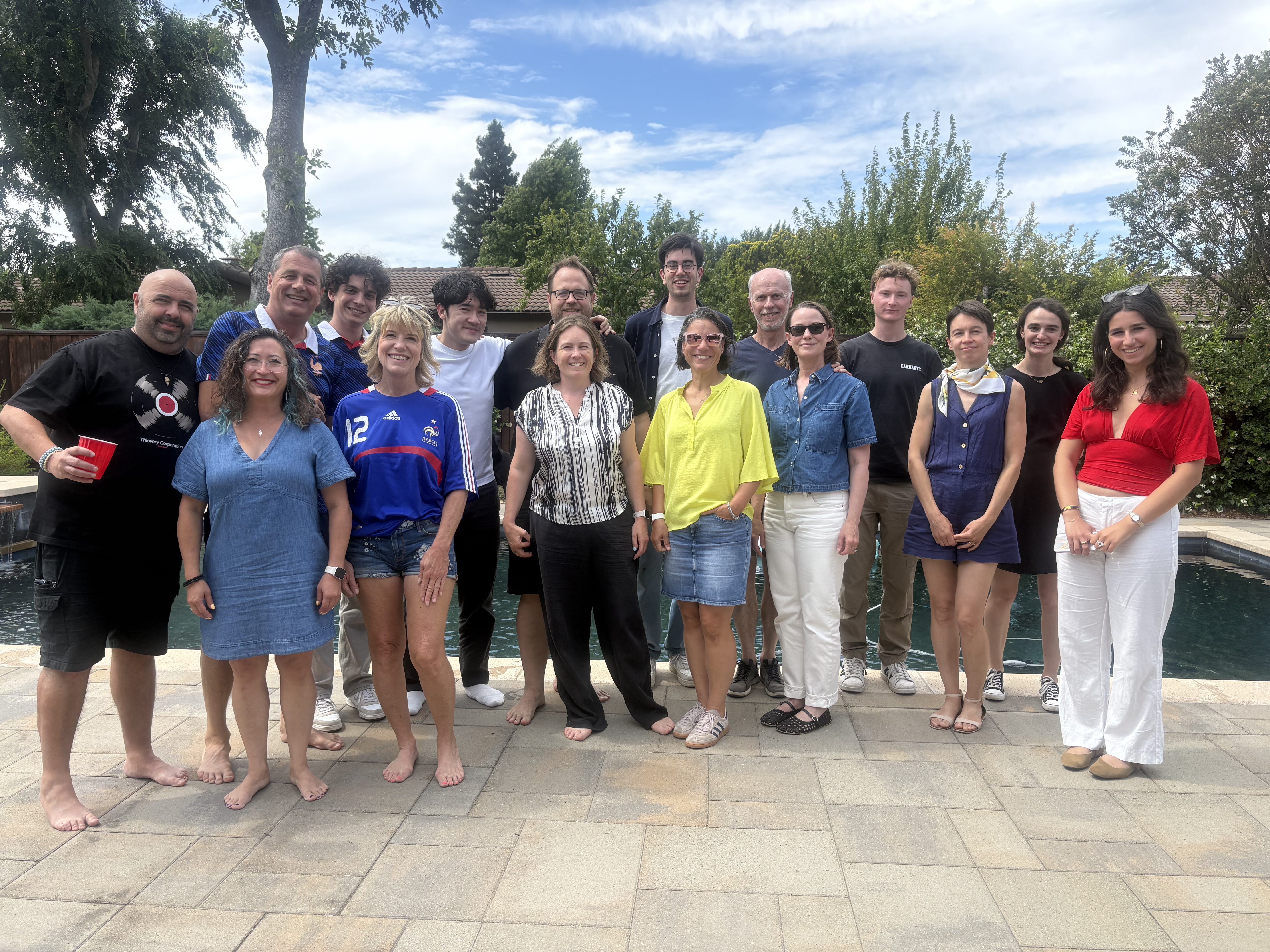
Gadz'Arts in the San Francisco Bay Area gathered yesterday to watch the Spain–Argentina World Cup Final, celebrate Bastille Day (a few days late!), and cool off with some pool time and games.
A big thank you to Aurore and Jean for opening their home to us, and to Nicolas for organizing this wonderful afternoon!
We look forward to seeing everyone again at our next Gadz'Meet, taking place over the September 19–20 weekend. See you there!
- Details
AFAM: Hello Tanguy, and thank you for agreeing to answer our questions. You are currently a Master student at Purdue University in Aeronautics and Astronautics. Please tell us more about your journey and what led you to it? How come that ( and when) you became interested in aeronautics?
Tanguy: Thank you so much for having me! Honestly, my journey really started just by looking up. Ever since I was a kid, I’ve been absolutely fascinated by the stars, and I would spend countless hours at night just staring at the sky. Growing up, that curiosity was heavily fueled by science fiction. Exploring universes like Star Wars and seeing the concept of multi-planetary species completely captured my imagination. It naturally drove me to learn everything I could about space transportation.
As I dug deeper, I developed a massive fascination for rocket engines. The idea of taking that kind of raw, explosive power and engineering a way to perfectly control it to conquer space just blew my mind. I knew I had to be a part of it. To turn this dream into a reality, I went through the demanding classe préparatoire system and joined Arts et Métiers to build a rock-solid foundation in mechanics and energetics.
However, the landscape in France is a bit different. Most of the advanced space propulsion research is strictly concentrated within the industry, meaning there are virtually no opportunities to get involved in hands-on propulsion research at the academic Master's level. I wanted to be right in the thick of the research and testing, which is exactly why choosing Purdue University's Aeronautics and Astronautics program was an absolute no-brainer for me!
AFAM: before your master’s year at Purdue, you were an intern at NAASC Center Spatial Universitaire de Nouvelle Aquitaine. What kind of knowledge and skills did you gain there?
Tanguy: It was my very first real exposure to the space industry, and it was exactly the opportunity I needed to get my foot in the door. One of my biggest takeaways was realizing that even though Arts et Métiers isn't strictly an aerospace-focused school, the rigorous training we receive in areas like subtractive machining, additive manufacturing, and complex design are absolutely essential in the space sector.
I got to dive right in and apply those exact skills, focusing heavily on Computer-Aided Design (CAD) and physically machining a structural and thermal mock-up of the NanoNAASC satellite to prepare for its CNES certification. Getting to physically build and test the structure of a real satellite project made the dream of working in this field feel incredibly concrete and tangible for me!
AFAM: What classes did you take at Purdue? What did you enjoy the most about your classes and campus life?
Tanguy: Since my major is in propulsion, I took classes like Advanced Rocket Propulsion, Combustion, Computational Fluid Dynamics, Gas Dynamics, and Spacecraft Electric Propulsion. I also chose to take courses in Artificial Intelligence, as it is a massively expanding sector right now and highly relevant for the future of engineering.
But honestly, what I have enjoyed the most goes way beyond the coursework itself. The real highlight has been the opportunity to do research and actively contribute to the chemical propulsion community. That is what makes this experience so unique and deeply rewarding. In fact, I expect to publish a research paper on Rotating Detonation Rocket Engines (RDREs) in the coming months, which I am thrilled to co-author alongside leading figures in the field of space propulsion!
AFAM: how did being a Gadz’Arts help you in your professional life and studies in the United States?
Tanguy:
The Gadz'Arts community has been absolutely crucial for me. When I was putting together my applications for US universities, the cohort of students from the class above me who had already moved to the States were incredibly helpful. To be completely honest, I don't think I would have ever been able to join such a prestigious institution in the aerospace field without their guidance. They took the time to review my cover letters and my resume, and helped me navigate the many strategic choices you have to make during the application process.
Later on, I also received amazing support from Christophe Tardieu. He really helped me rebuild my resume and perfect my "elevator pitch" to adapt them to the US format. That mentorship gave me a huge advantage in successfully building and expanding my professional network over here!
AFAM: What are your plans for the future ( if you could tell us a bit more about it)?
Tanguy: I have truly loved my time here! Being in the US gives you the incredible feeling that absolutely anything is possible. However, the reality is that it is becoming increasingly complicated for international students to secure work in this country. This is especially true in the space sector, which has always had its own strict hurdles and regulations. Even right now, within the university, there are certain resources and materials I simply am not allowed to access as an international student.
On the flip side, I have deeply enjoyed my research activities here. So, moving forward, my plan is to look for job opportunities in the space sector back in France, while also exploring broader job opportunities here in the US!
AFAM: you live in Indiana. Can you tell a bit more about your life? What are you doing in your free time?
Tanguy: Indiana is definitely a very rural state and might not be a top tourist destination, but it is honestly a fantastic place to live! It is the true American heartland, which gives you a genuine experience of what the "real" US is like, far away from the typical big coastal cities. That being said, we aren't isolated at all—Indianapolis is just an hour away, and Chicago is only a two-and-a-half-hour drive, which is absolutely perfect for weekend getaways!
The town here is almost entirely built around the university, making it a quintessential American "college town" that is completely designed around student life. In my free time, I really love taking advantage of the incredible sports facilities the university provides. It is the perfect way to unwind and fully enjoy the campus experience!
in France, while also exploring broader job opportunities here in the US!
AFAM: Thank you, Tanguy!
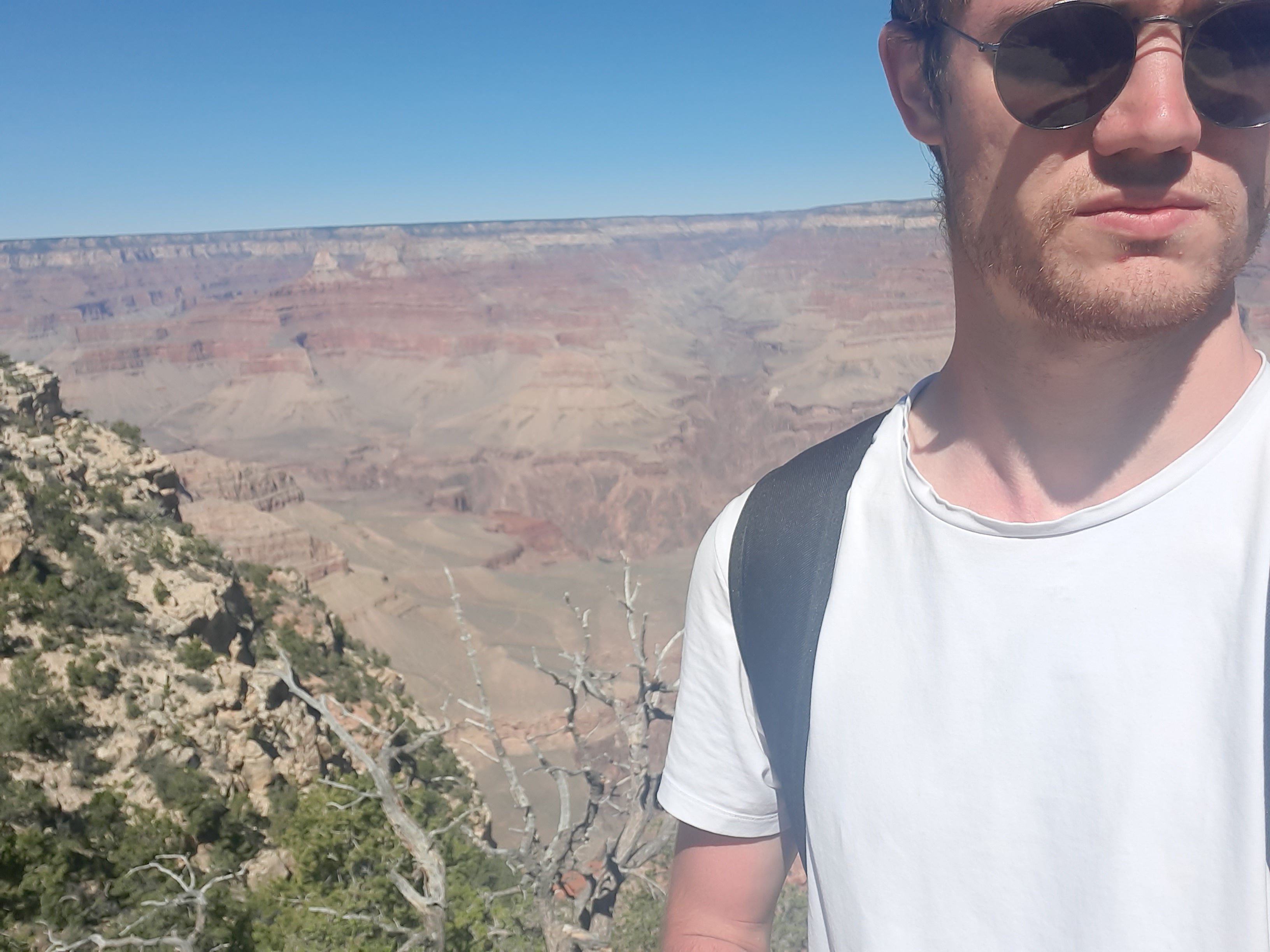
Tanguy at Grand Canyon
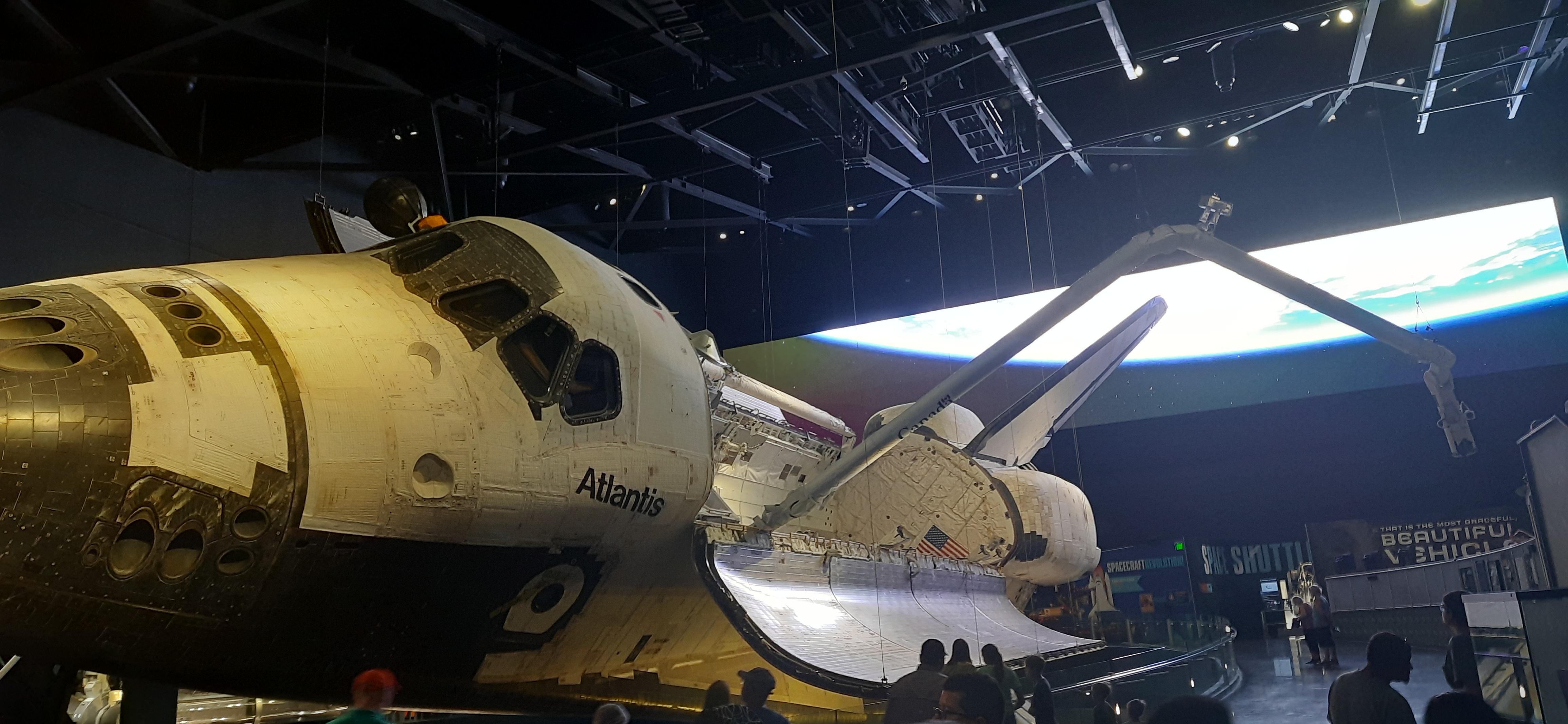
Kennedy Space center, Florida
All pictures: courtesy of Tanguy
Other interviews in “Ad astra” series:
Interview # 1 with Jean-Christophe Boulon (Me 213)
Interview #2 with Laurène Rokvam (Bo 210)
Interview #3 with Corentin Lazarus ( Me 209)
Interview #4 with Yann Sadou (Bo 218), researcher at Caltec
- Details
AFAM: Hello Maeva, and thank you for agreeing to answer our questions. You have just completed your internship at Safran Nacelles in Indianapolis. Could you tell us more about your role ?
Maeva: I completed a three-month internship at Safran Nacelles in Indianapolis, at a site specializing in aircraft nacelle Maintenance, Repair and Overhaul (MRO). I joined the Continuous Improvement team, where my main responsibility was to analyze production processes, identify opportunities for improvement, and propose solutions to optimize quality, safety, and productivity. I worked on several ergonomic improvement projects aimed at reducing manual handling time while collaborating closely with the production, quality, and industrial engineering teams.
AFAM: What did you enjoy the most about your role at Safran Nacelles? What was the most challenging part for you ?
Maeva: What I enjoyed the most was the level of trust and autonomy I was given throughout my internship. I had the opportunity to work on real projects that had a tangible impact on the operators' daily work, which was very rewarding. I also learned a great deal by working alongside experienced colleagues in an international industrial environment.
The most challenging part was the different culture, and using English every day in a professional setting. However, this experience helped me become much more confident and significantly improve my professional English.
AFAM: Could you tell us a bit more about your life outside of work in Indianapolis? What did you enjoy doing ?
Maeva: Outside of work, I took the opportunity to explore the United States. During my internship, I visited Chicago, New York City, and Washington, D.C., which allowed me to experience different parts of the country. In Indianapolis, I enjoyed walking around downtown, trying local restaurants, attending a few sporting events, and spending time in the city's parks. It was also a great opportunity to meet new people and discover a different culture.
AFAM: What piece of advice would you give to students and apprentice students who are currently looking for an internship in the United States or would like to obtain one?
Maeva: My advice would be to go for it, even if moving abroad feels intimidating at first. It is an incredibly rewarding experience, both professionally and personally. Preparing well is important, especially by improving your English, but you should not be afraid to step outside your comfort zone. Living and working abroad helps you become more independent, adaptable, and open-minded. Those are the qualities that are highly valued by employers.
AFAM: thank you, Maeva!
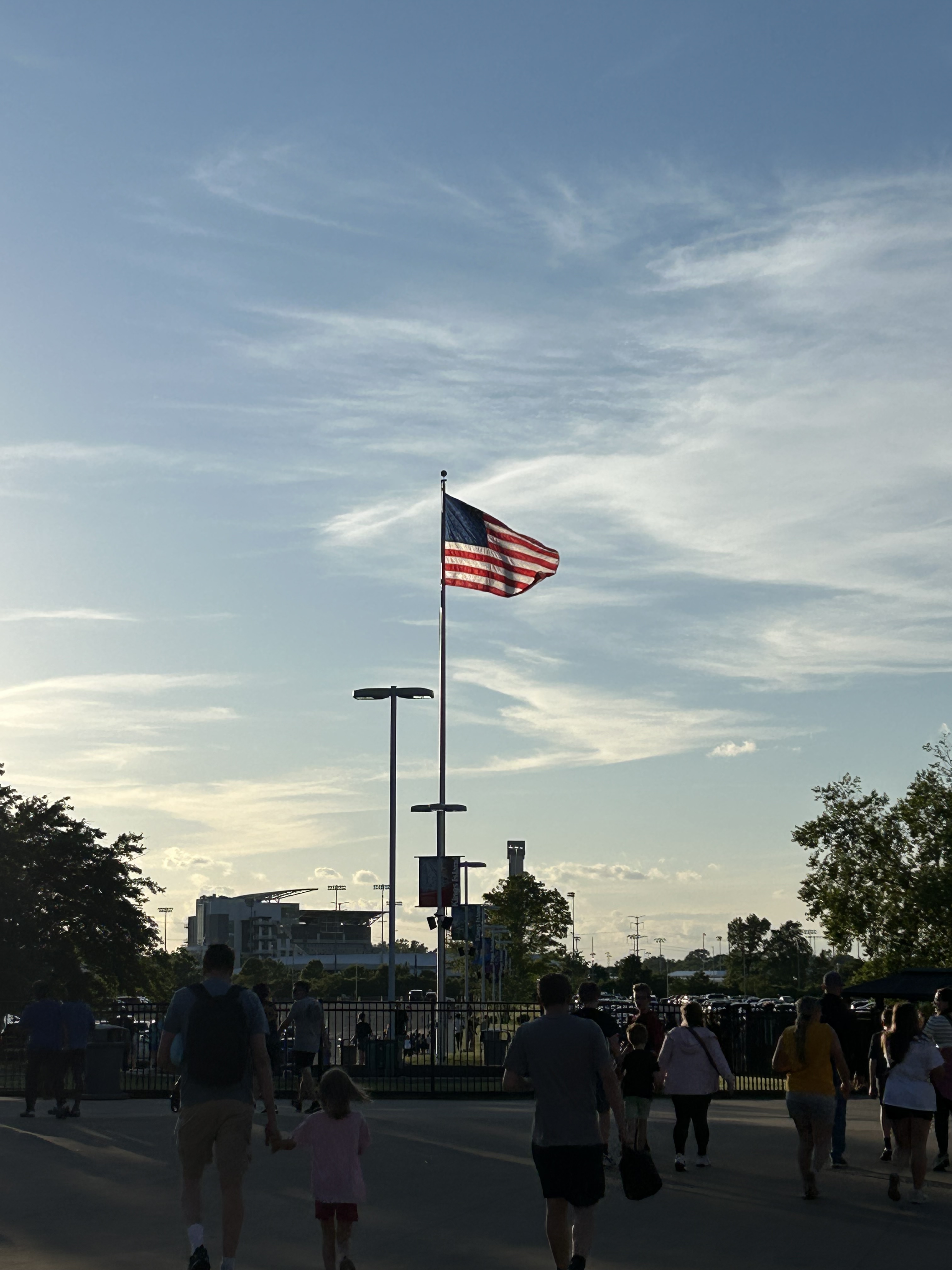
Picture: courtesy of Maeva
- Details
French Alumni Happy Hour was organized by HEC alumni at the Four Seasons Hotel Silicon Valley on June 10, 2026.
This gathering was open to all alumni from ESSEC, Sciences Po, HEC, EDHEC, X, Arts & Métiers and other French schools.
Thank you to HEC and in particular to Rebecca Scholl for organizing. Looking forward to the new amazing networking meetings and other alumni events!
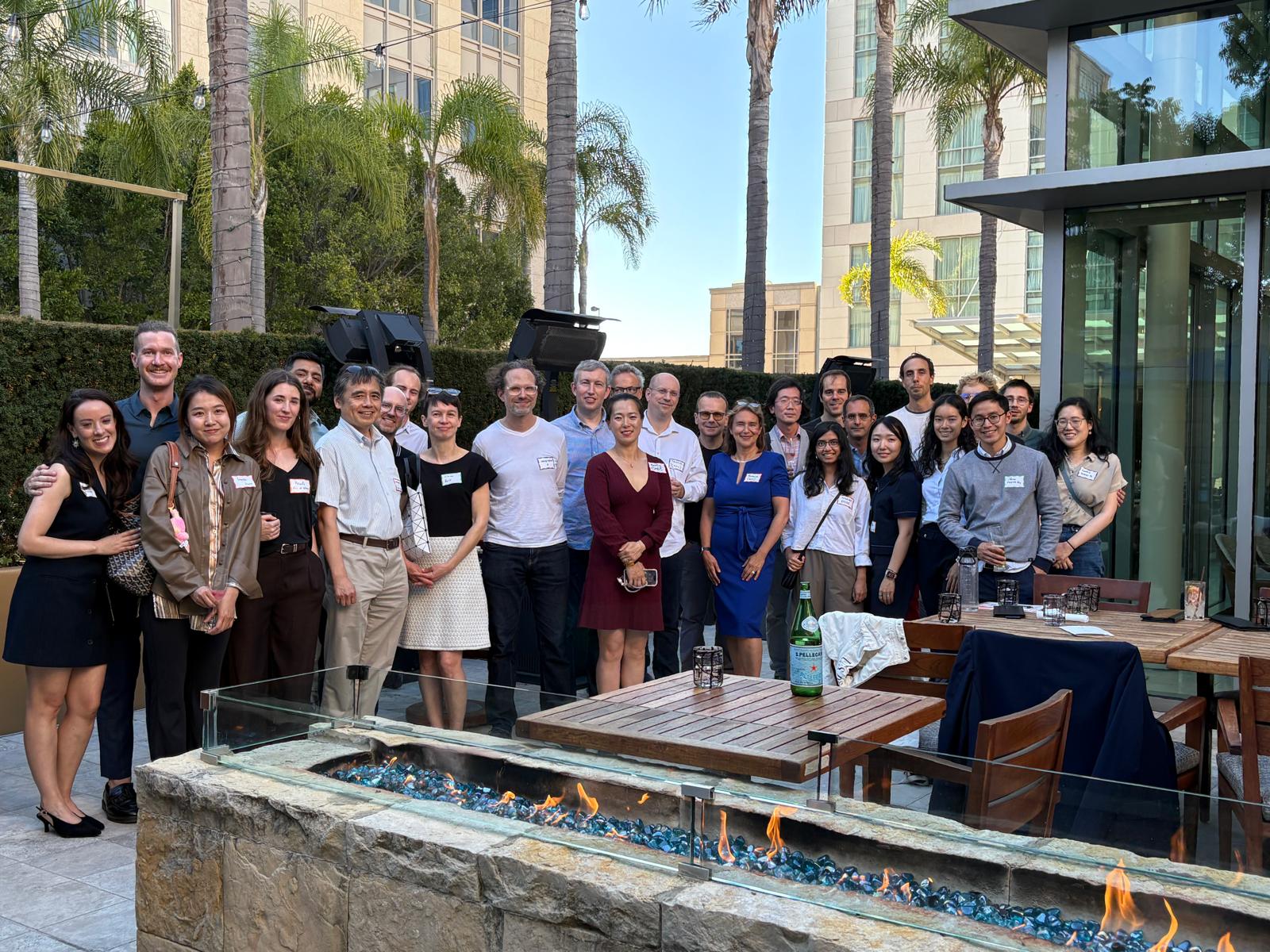
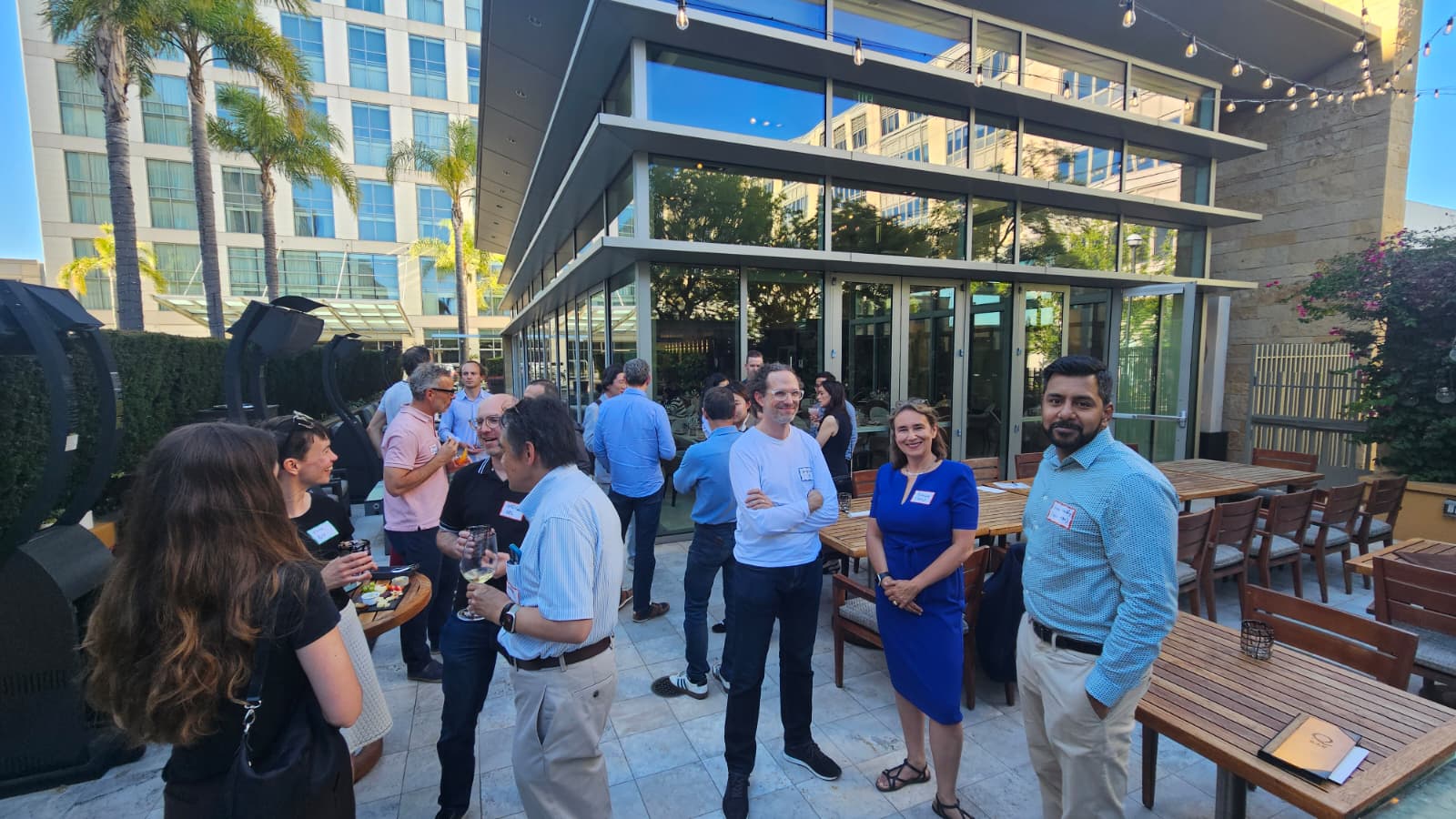
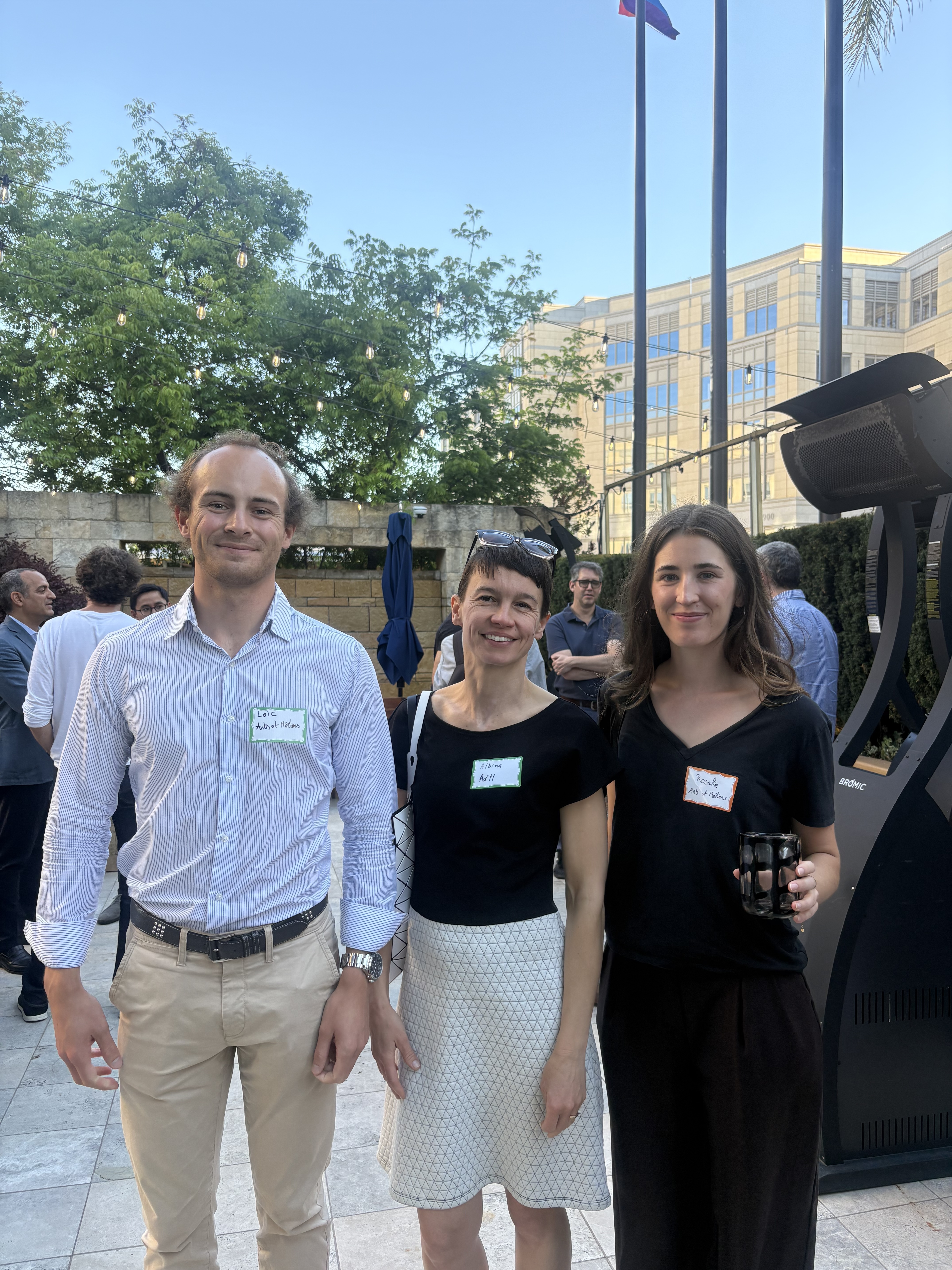
Loïc, Albina (AFAM community manager) and Rosalie at the event. Loïc and Rosalie are Stanford/Arts et Metiers students.
- Details
AFAM: Hello Florian and Jean-Louis, and thank you for sharing your experience of being Georgia Tech students (parcours US). Please tell us a few words about yourself, what are you doing now?
Jean-Louis:
My name is Jean-Louis Roy. I studied at Arts et Métiers before joining Georgia Tech, where I recently completed a Master’s degree in Electrical and Computer Engineering. My academic interests are mainly at the intersection of engineering, machine learning, optimization, and applied technology. I am now exploring professional opportunities where I can combine technical problem-solving with real-world impact.
Florian: Hi, I just finished my Master of Science in Electrical and Computer Engineering at Georgia Tech in Atlanta. I did this as part of the “Parcours US” program at Arts et Métiers. I just came back to France to do my final-year internship.
AFAM: Why did you decide to apply for Georgia Tech program (parcours US)?
Jean-Louis:
I decided to apply because I wanted to experience a more international and research-oriented academic environment. Georgia Tech was also a great opportunity to study in the United States, improve my technical background, and discover a different way of learning, with more projects, teamwork, and practical applications. It felt like a strong complement to my engineering education at Arts et Métiers.
Florian: I wanted to specialize in AI while still benefiting from the general engineering training offered by Arts et Métiers. The Parcours US program allowed me to apply to several American universities offering these master’s degrees, and I ultimately chose Georgia Tech.
AFAM: How did you like Georgia Tech in Atlanta? What classes were you enjoying the most?
Jean-Louis:
I really enjoyed my experience at Georgia Tech in Atlanta. The campus is very dynamic, and you can feel that students are involved in many academic, entrepreneurial, and extracurricular projects.
Among the classes I enjoyed the most, I would mention High-Dimensional Statistics. It was very demanding and technical, but also intellectually stimulating and strongly connected to modern data science and machine learning.
Florian:
It was a really good experience. Living on campus is very pleasant; everything is accessible and designed for students. The most interesting classes were the theoretical courses in statistics and machine learning, such as High-Dimensional Statistics and Graphical Models, but they were also the most difficult ones.
AFAM: What was the most challenging for you in the US?
Jean-Louis:
One of the most challenging parts was preparing the practical aspects of life in the US before arriving, especially housing. Fortunately, we had the support of the Graduate Living Center (GLC), because otherwise finding and renting a place remotely, without visiting it beforehand, would have felt like a real leap of faith.
Academically, the workload was also quite demanding. There were many homework assignments and projects throughout the semester, so it was important to start early and stay organized instead of waiting until the last minute. I also chose to complete my degree in two semesters, from Fall to Spring, instead of spreading it over three semesters including the Summer. This made the workload even more intense and required stronger time management.
Florian:
I think the most challenging thing for me at the beginning was approaching Americans to ask for information or help, because it can feel a bit intimidating. But you just have to go for it, even if you have to repeat yourself several times; it’s not a big deal.
AFAM: How was life on Georgia Tech campus? Any activities you were enjoying outside of the classroom?
Jean-Louis:
Life on campus was very active, with many events, student organizations, sports activities, and opportunities to meet people from different backgrounds. Personally, I did not take part in one specific activity on a regular basis, but I really appreciated the quality of the campus facilities, especially the gym, swimming pool, sauna, and sports areas.
For students who want to join clubs and integrate more quickly, I would recommend looking for opportunities early and being proactive. The same applies to students interested in research: it is better not to wait for opportunities to come naturally, but to reach out, ask questions, and take initiative. In my experience, this proactive mindset is strongly valued in the US.
Florian:
Life on campus was great. Georgia Tech has amazing facilities, whether for studying, sports, or student life in general, and it really feels like everything is designed to make students’ lives easier. I also played volleyball before arriving at Georgia Tech, and one of my motivations for going to the US was the sports facilities and the sports culture. So I joined the Georgia Tech volleyball team. It was my best experience there. It allowed me to make real American friends, travel around the US for tournaments ( California, Florida, Alabama ) and experience Nationals in March. If you have a good level in a sport, don’t hesitate to try out for club teams, even if it is only for one semester.
AFAM: Anything you would like to share about your future projects?
Jean-Louis:
For the future, I would like to work on projects that combine engineering, data, and artificial intelligence, ideally with a strong practical impact. My experience at Georgia Tech confirmed my interest in technical fields such as machine learning, optimization, and applied systems.
More broadly, I hope to keep building an international profile and use what I learned both at Arts et Métiers and Georgia Tech in ambitious technical projects.
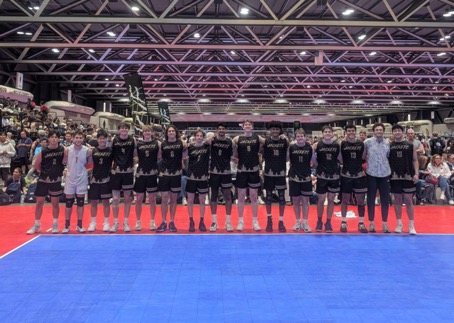
Georgia Tech volleyball team
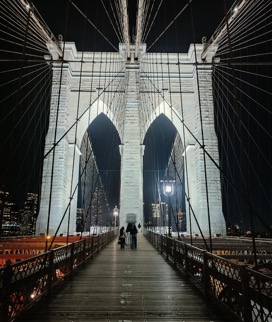
Atlanta at night
Photos: courtesy of Florian and Jean-Louis
Please discover Sequoia coaching program and Sequoia grants offered by AFAM. If you are an Arts et Metiers student, you can be eligible to participate.
- AFAM June board meeting results: new board members elected and 22 Sequoia # 2 grants approved
- “Zoom on”: Interview with Hippolyte Malgrain ( Ch 221), VIE, HEF Group
- On May 30th alumni from Washington DC area gathered in Fredericksburg, Virginia
- On May 28, a group of Houston-based Arts et Metiers alumni gathered together
- On May 27th, AFAM organized an informational session for Parcours US, GTE, and TAMU students coming to the United States this September
 BLOG /
 CALENDAR /
 DONATIONS /
 MENTORS /