
March interview series: interview with Amira Guediche (Li 215), PhD, Lawrence Livermore National Lab
- Details
AFAM: Hello Amira and thank you for this opportunity to ask you a few questions. The International Women’s Day will be held on March 8th and AFAM would like to meet women engineers living and working in the US.
Please tell us about your career path and area of expertise today.
Amira: I followed a path in physics and engineering that progressively led me toward materials science and optical coatings. My education at Arts et Métiers gave me a strong foundation in mechanics and problem-solving, which was complemented by a more fundamental science background from my bachelor’s degree. With time, I became especially interested in how materials can be designed and optimized for advanced technologies. Today, my work focuses on thin films and high-performance optical coatings, with a particular interest in how processing conditions and material structure influence performance. What I really enjoy is working at the intersection of science and engineering, where research can lead to very concrete technological improvements.
AFAM: What do you do every day at work? How does being a Gadz’Arts help you in your everyday tasks?
Amira: My daily work is a mix of experiments, data analysis, and collaboration. Depending on the project, I may spend time characterizing materials, analyzing results, planning the next experiments, or discussing technical questions with colleagues from different backgrounds. I also spend a lot of time thinking about how to connect fundamental material properties to practical performance goals.
Being a Gadz’Arts helps me because it taught me a very engineering- and mechanics-based way of thinking. In my work, I need to interact with engineers, and some of my issues are engineering problems, so having this background is very helpful. It also taught me to be adaptable and solution oriented. More generally, it gave me a broad engineering mindset: not only understanding the theory behind a problem, but also thinking about how to solve it efficiently in practice. This balance between scientific depth and practical reasoning is something I use all the time.
AFAM: What is the best advice someone ever gave you? Why?
Amira: One of the best pieces of advice I received was to learn how to adapt the way I communicate depending on the person in front of me. Communication is key, and what matters most is making sure people understand your ideas. I think this advice is very important because in science and engineering, it is not enough to have good ideas. You also need to know how to explain them clearly, depending on who you are speaking with.
AFAM: What is one favorite way to spend your free time (hobbies, weekend activities)?
Amira: Outside of work, I really enjoy being active and spending time outdoors. I love ice skating, surfing, backpacking, rock climbing, and trail running. I feel very lucky to live in the Bay Area, where I have access to all these activities. For me, it is the best way to disconnect, recharge, and keep a good balance.
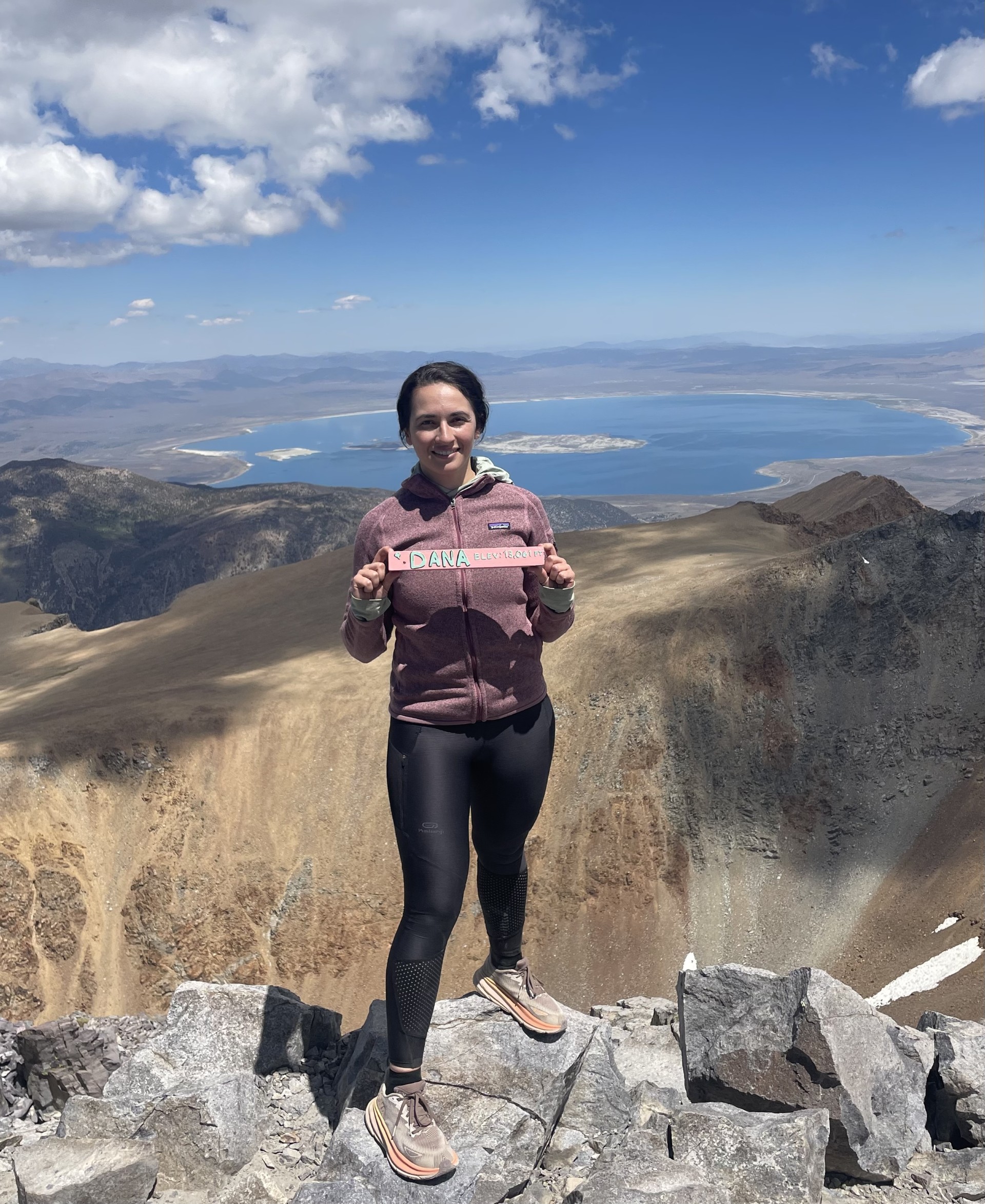
At Mount Dana
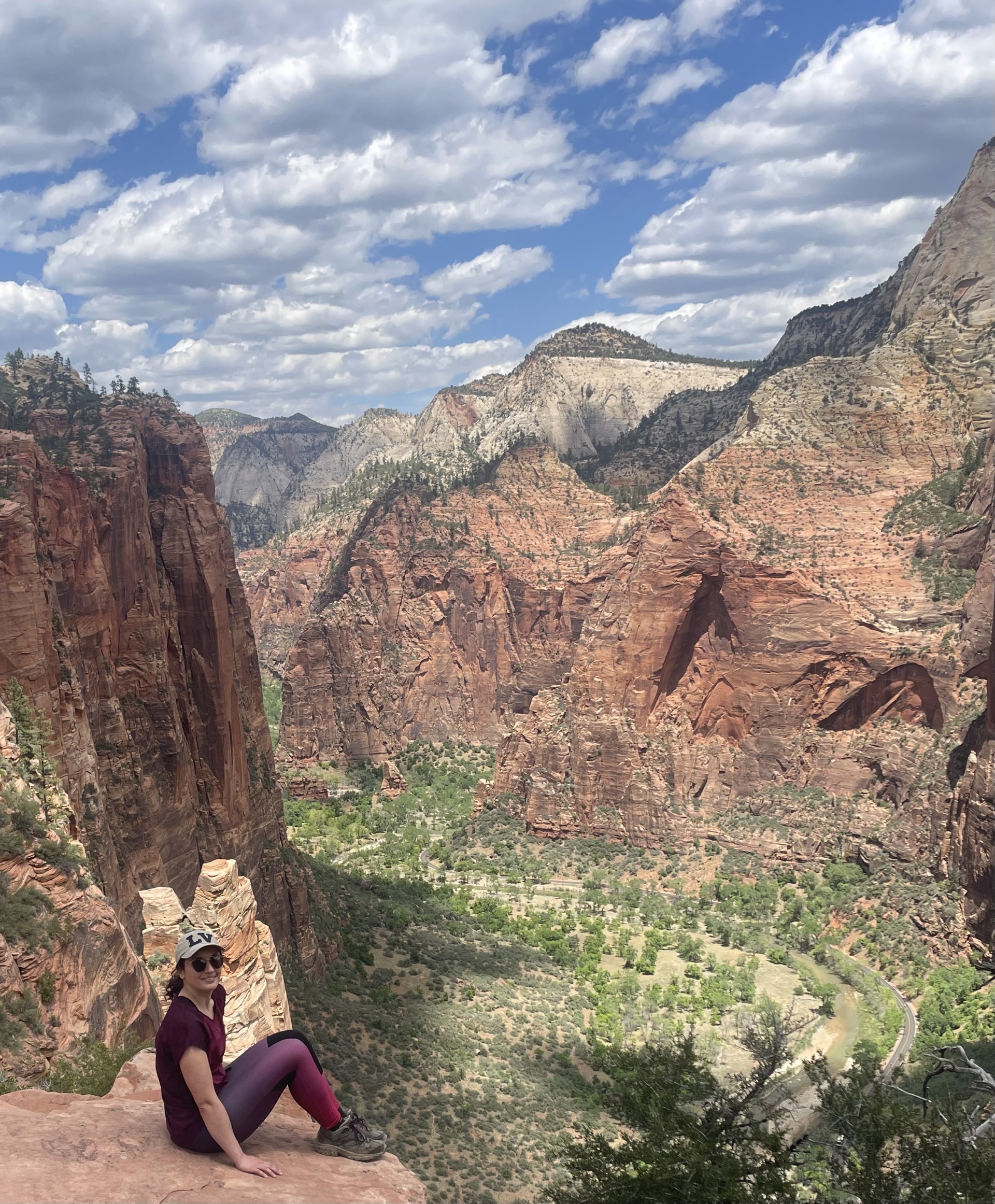
At Zion National Park
Pictures: courtesy of Amira
Other interviews with women engineers:
Meet our Community - Fanny Thublier (Li 209)
Meet our Community - Basma Aiouche (Cl 214)
Meet our Community - Soazig Kaam (Bo 209)
Interview with Bénédicte Maurel (Li 223)
- Details
March is International Women's History Month and International Women's Day is celebrated on March 8th! This month in our blog, we would like to highlight a few very inspiring and motivational journeys of A&M female students and former students. Today our interviewee is Irène Demoisy (Bo 223)
AFAM: Hello Irène, and thank you for being with us today. You are a MEng student at UC Berkeley, who went through the parcours US program. Could you please tell us a few words about the road that led you to Arts et Metiers and most importantly why and when you decided to become an engineer?
Irène: I’ve always been a naturally curious person, eager to dive into how things work. Even though I faced some challenges with science early on, the subjects I enjoyed most were those that helped me understand different processes and phenomena (biology, physics, chemistry, sociology, etc.). One of the downsides of all that curiosity is that I sometimes struggle to make decisions. Initially, I chose an engineering path to keep my options open and continue exploring various fields. I soon realized that engineering perfectly matched my desire to understand mechanisms! That’s also why I was drawn to Arts et Metiers. The school offers a great balance between theory and hands-on learning, allowing me to truly grasp scientific concepts. Plus, I believe in the power of connections and encounters in life, so the rich alumni network at the school really resonates with me.
AFAM: could you tell us a bit more about your life and studies at UC Berkeley? What are your favorite classes and what do you enjoy the most about your education journey?
Irène: I have a really exciting and dynamic life at UC Berkeley. One of the best parts has been the freedom to choose my own classes, which lets me switch between deeply theoretical courses that challenge my thinking and practical classes where the outcome is to build something, similar to my experience at Arts et Metiers. This system also allows me to explore different subjects beyond my major. For instance, I took a finance class from the business school that gave me a great look into real-world financial topics. I also enrolled in an intensive language course that connected me with a diverse group of classmates, and I even took a sports class!
The campus atmosphere is also vibrant and lively. There’s always so much going on. Of course, several networking events are organized a week, but I can also benefit from social gatherings or, more unexpectedly, conferences, live concerts, plays, arts & craft activities, and sports events. This really adds a lot to the overall experience. I feel like each of these activities contributes to a dynamic and enriching college life, making every day feel fresh and exciting.
AFAM: what was the most challenging for you in the US ( or maybe before coming to the US)?
Irène: Despite the widespread influence of American culture through movies, music, and more, that theoretically should have prepared me to know what to expect, I definitely encountered some culture shocks after moving here. One big adjustment was the size of the country. Everything feels really far away. Even though the Bay Area has a fairly decent transportation system compared to other places in the U.S., getting around without a car can be quite challenging. Food has also been a bit of a struggle for me. As someone who’s been eating mostly organic food for decades, it’s been tough adapting to the local ingredients. On top of that, I was pretty anxious about the political situation when I arrived. The visa freeze had me on edge, not knowing if I'd even be able to leave until five days before my classes started. Right now, a lot of international students are facing uncertainty when it comes to job hunting, which adds another layer of stress to the experience.
AFAM: Can you share a little bit about your future plans?
Irène: I’ve really enjoyed my time in the US, and it made me think a lot about what I truly want in my career. My experience as a student here was incredible, and I’m thankful for the opportunities I had. However, I’ve realized that a European mindset fits me better for my professional life. I believe that the work culture and values in Europe align more with who I am, and I’m eager to explore how I can contribute and grow in that environment.
AFAM: you live in the SF bay area. How do you like it? How do you spend your free time?
Irène: I really love it here! Aside from the commuting challenges I mentioned earlier, the weather is fantastic, and the energy of the people is really dynamic. Berkeley is mostly dedicated to its university, so you’re constantly surrounded by students of all ages and fields of study, day and night. I live in the International House, which means I’m always meeting people from different countries, and there’s never a shortage of exciting adventures and enriching exchanges to dive into. Plus, being so close to San Francisco is a huge bonus! The city has a ton of incredible museums and hiking spots that make it easy to enjoy some quality outdoor time.
AFAM: thank you, Irène!
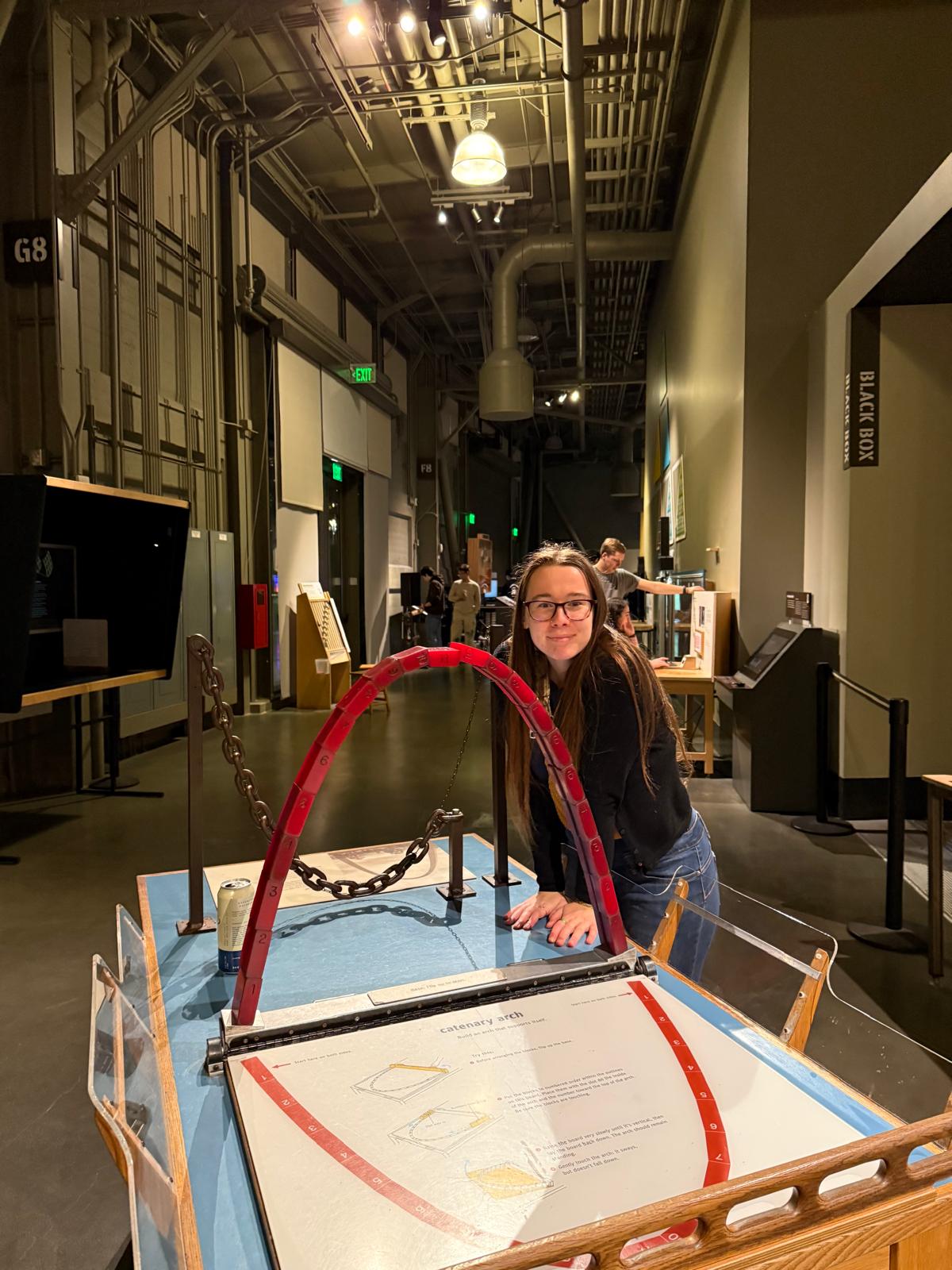
Irène at Exploratorium, San Francisco
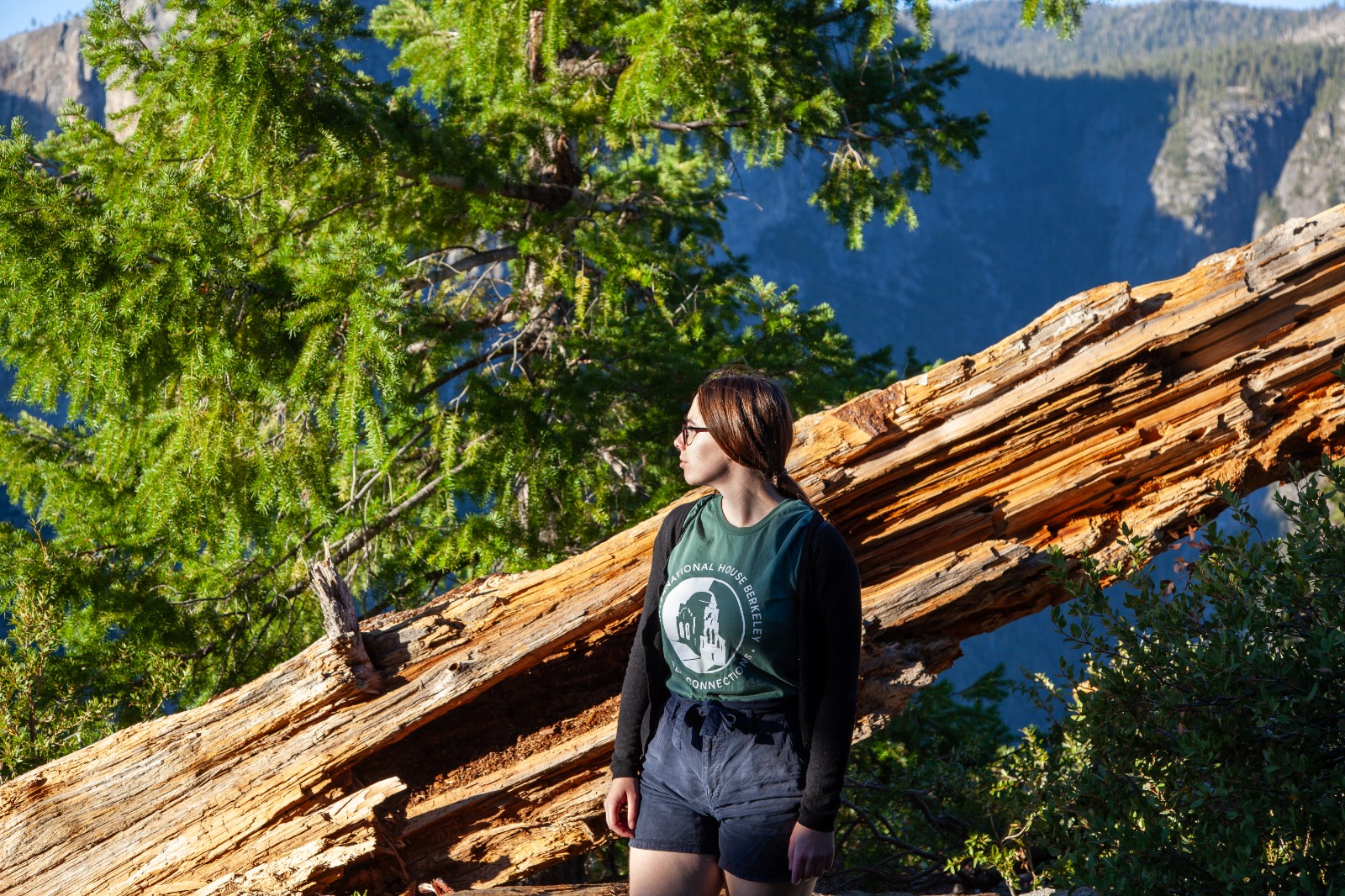
Irène at Yosemite National Park
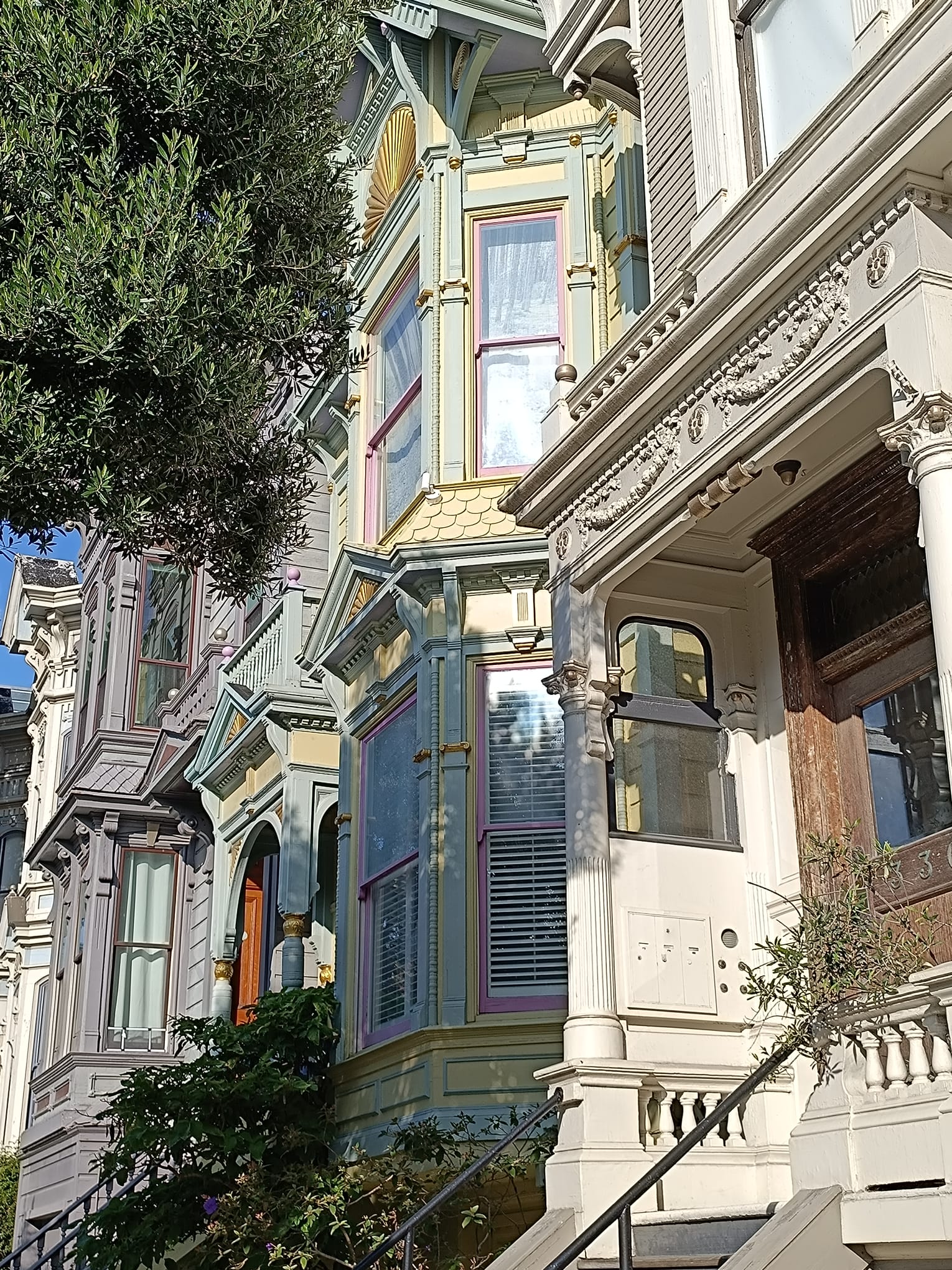
San Francisco
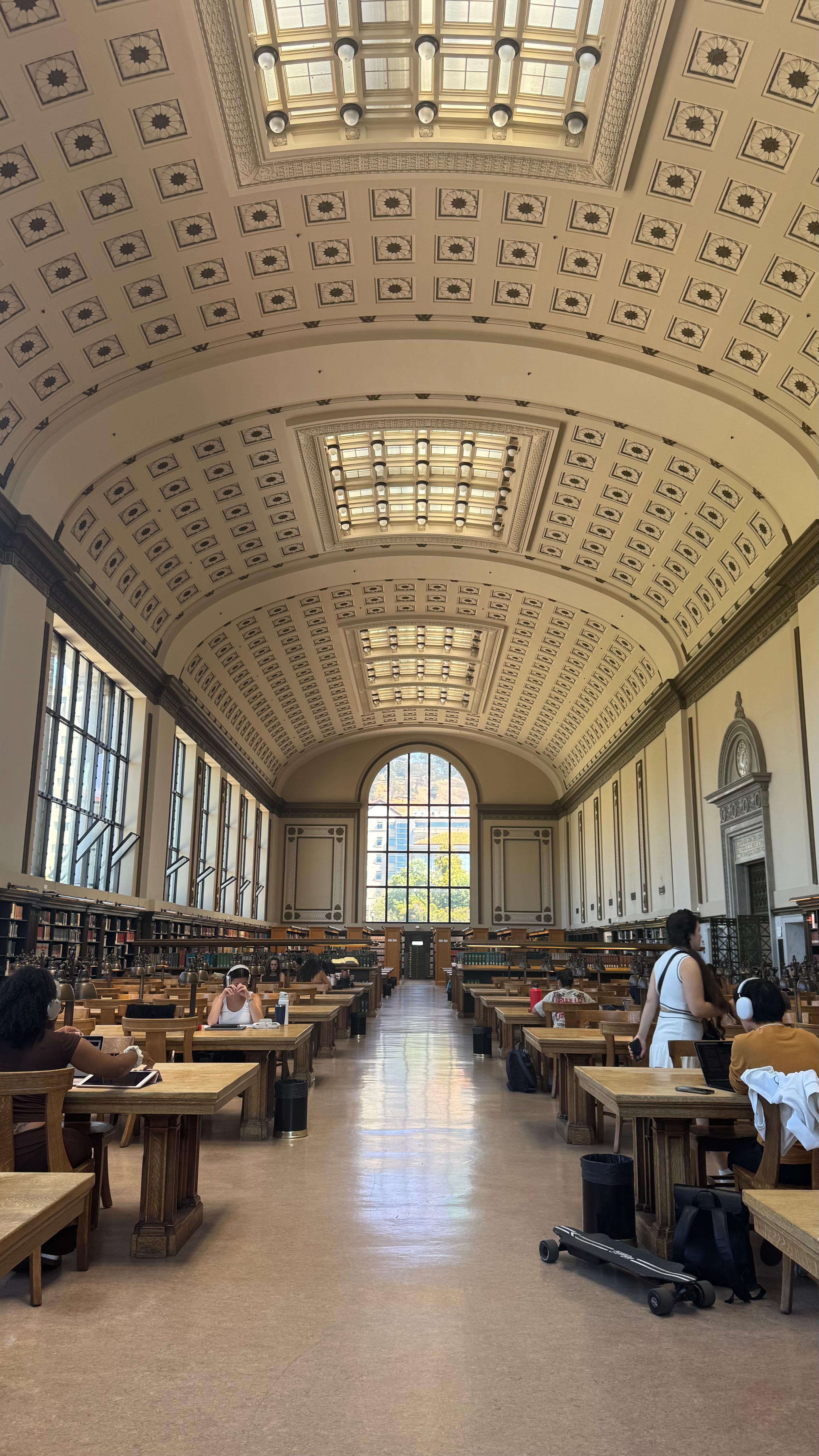
UC Berkeley Main Library
All Pictures - courtesy of Irène
Other interview with women engineers:
Meet our Community - Fanny Thublier (Li 209)
Meet our Community - Basma Aiouche (Cl 214)
Meet our Community - Soazig Kaam (Bo 209)
- Details
March is International Women's History Month and International Women's Day is celebrated on March 8th! This month in our blog, we would like to highlight a few very inspiring and motivational journeys of A&M female students and former students. Today our interviewee is Marie Imad (Ch 223).
AFAM: Hello Marie, and thank you for being with us today. You are a Graduate engineering student majoring in mechanical engineering at Stanford University. And you went through the parcours US program. Could you please tell us a few words about the road that led you to Arts et Metiers and most importantly why and when you decided to become an engineer?
Marie:
I’ve always been drawn to challenging environments, which naturally led me to start with a preparatory class in France. I really enjoyed the intensity and the challenge, and I’ve always been curious and interested in science, especially mathematics and physics.
I also grew up in a very scientific environment, with a father who is an engineer and a brother who went through a top engineering school. Being surrounded by these strong figures pushed me to aim high from a young age. As a woman, it never discouraged me — it actually made me want to prove that I fully belonged in this field.
I chose Arts et Métiers because it is known for being very strong in mechanical engineering. I liked the idea of becoming someone who really understands how systems work and how to build things. This is also where I started getting more interested in robotics.
AFAM: Could you tell us a bit more about your life and studies at Stanford University? What do you enjoy the most about your education journey?
Marie:
Studying at Stanford is both exciting and demanding. Being in Silicon Valley, you are constantly surrounded by people building things, launching startups, and working on new technologies. It constantly pushes you to improve and step out of your comfort zone.
I’m currently focusing on robotics, statistics, and AI. What I really like is that everything is very concrete — you don’t just learn theory, you apply it.
One of my favorite experiences so far has been teaching. During the winter quarter, I helped teach and grade a PhD-level mathematics course. I really loved it — it was one of my most rewarding experiences. Explaining complex ideas, interacting with students from very different backgrounds, and seeing them progress was incredibly fulfilling.
More generally, what I enjoy the most is the people. You constantly meet new personalities and inspiring individuals — sometimes even public figures. For example, I had the chance to attend talks given by people like Roger Federer, which was a very memorable experience. It really shows how diverse and inspiring the Stanford environment can be.
AFAM: What was the most challenging for you in the US?
Marie:
The most challenging part has been the pace and the level of expectations. Everything moves very fast here, especially in the Bay Area.
At first, I found it quite intimidating. It’s easy to feel like you’re not doing enough or not good enough, especially when you are surrounded by very talented people. But I’ve learned that this feeling is normal. The key is to stay confident, trust yourself, and keep going.
AFAM: Can you share a little bit about your future plans?
Marie:
I would like to build intelligent systems that can operate in real-world environments, especially in robotics and AI. In the short term, I hope to gain more hands-on experience through internships.
Being in the Bay Area is very inspiring, and I would love to continue growing in this kind of environment, where you are constantly challenged and surrounded by innovation.
AFAM: You live in the SF Bay Area. How do you like it? How do you spend your free time?
Marie:
I really enjoy living in the Bay Area. It’s a very unique place with a strong energy around innovation.
I’m also close to Berkeley, so I like going there from time to time. What I find quite funny is that even casual conversations in cafés often turn into discussions about the latest algorithms or startup ideas — you really feel surrounded by some of the brightest minds.
I also enjoy going to sports events during the week, especially American football games. One of the highlights is the “Big Game” against Berkeley, which is a very important and exciting rivalry between the two universities.
In my free time, I enjoy exploring, spending time with friends, and just taking advantage of everything the area has to offer. I also enjoy playing sports, especially tennis, and sharing simple moments with people I care about. It helps me stay balanced in such a fast-paced environment.
AFAM: thank you, Marie!
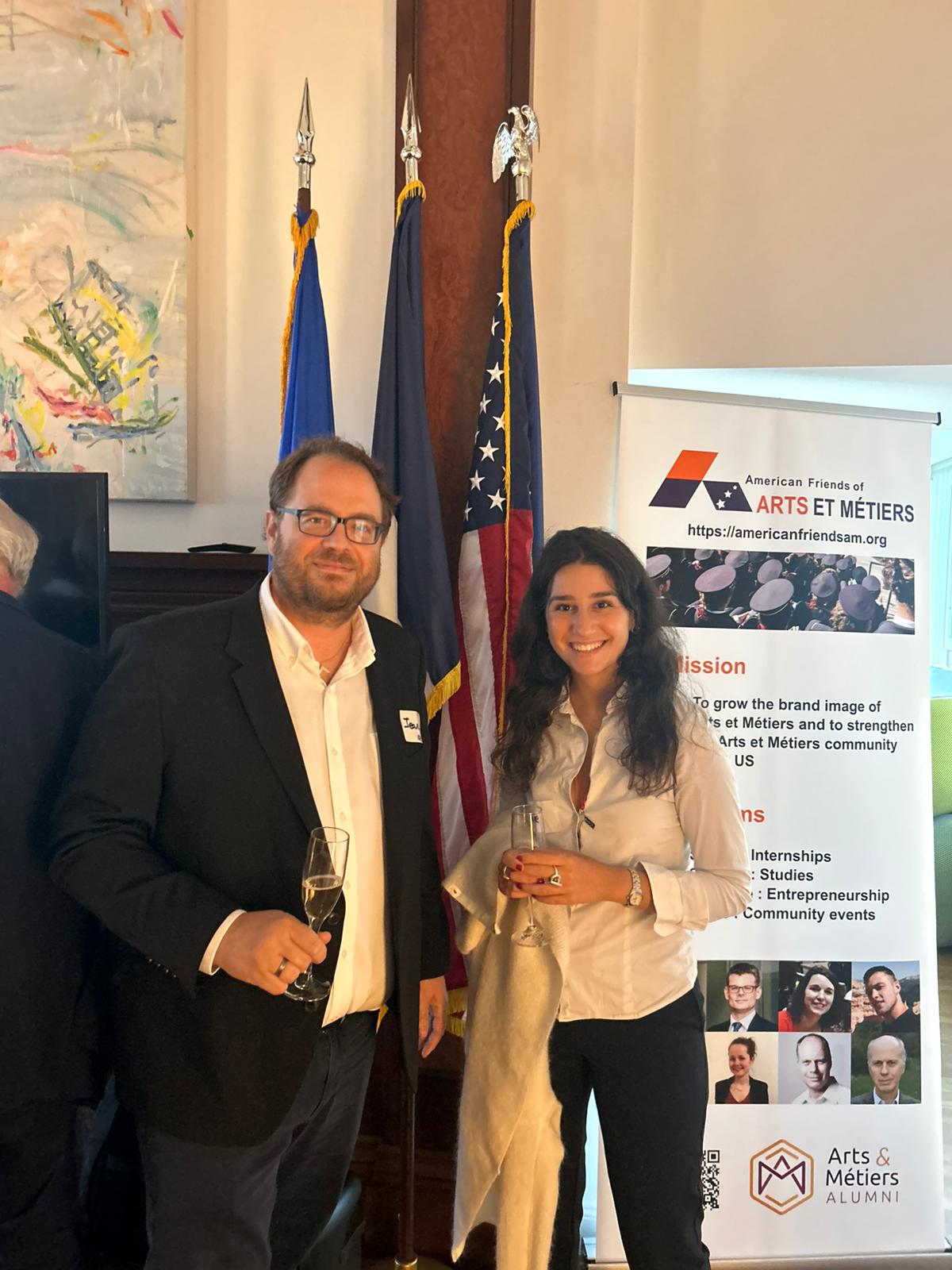
Marie Imad and Jean Prévot during the event organized by AFAM at French Consulate in San Francisco
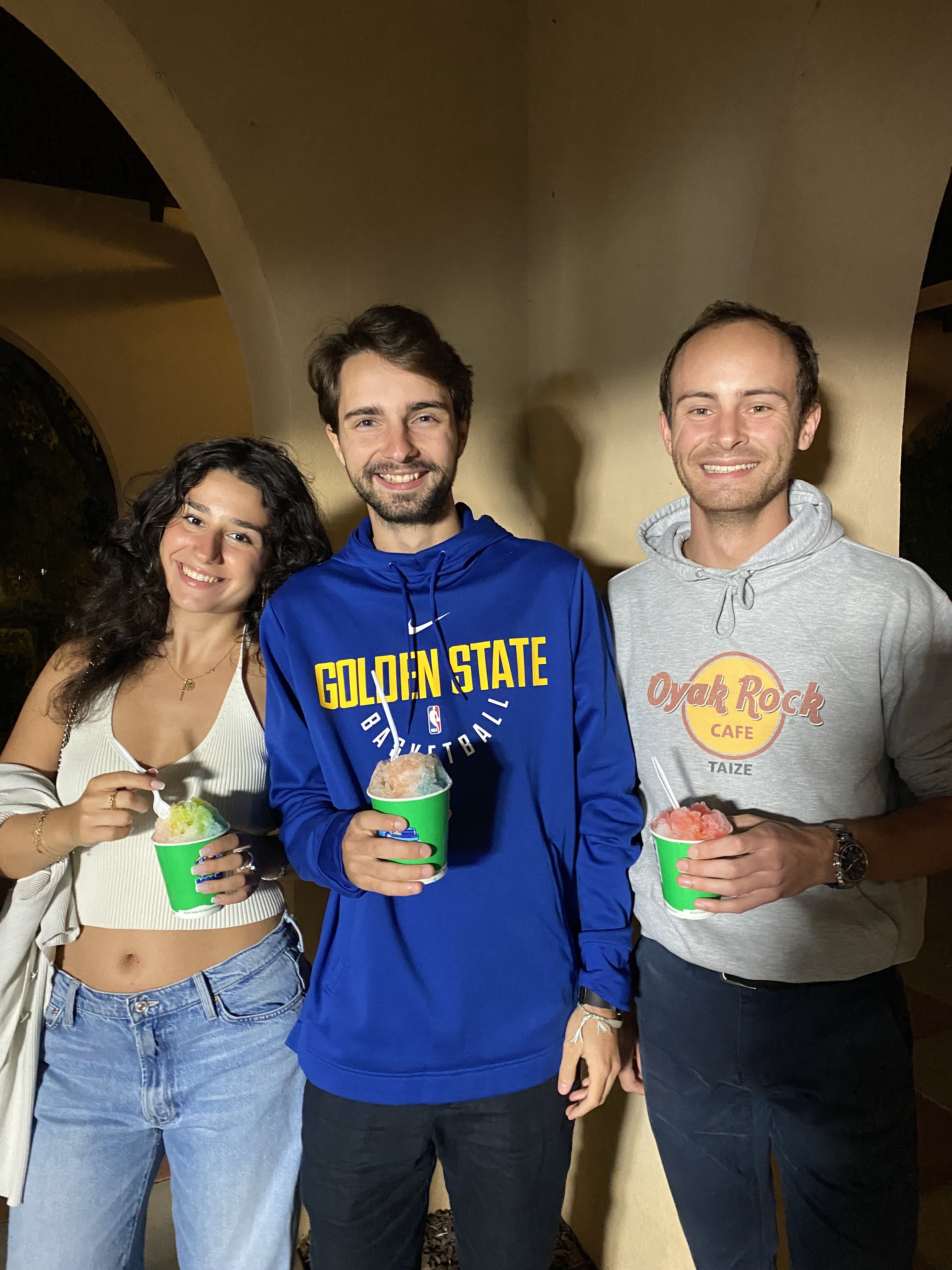
Marie together with other Stanford/A&M students - Harold and Loïc - at Stanford
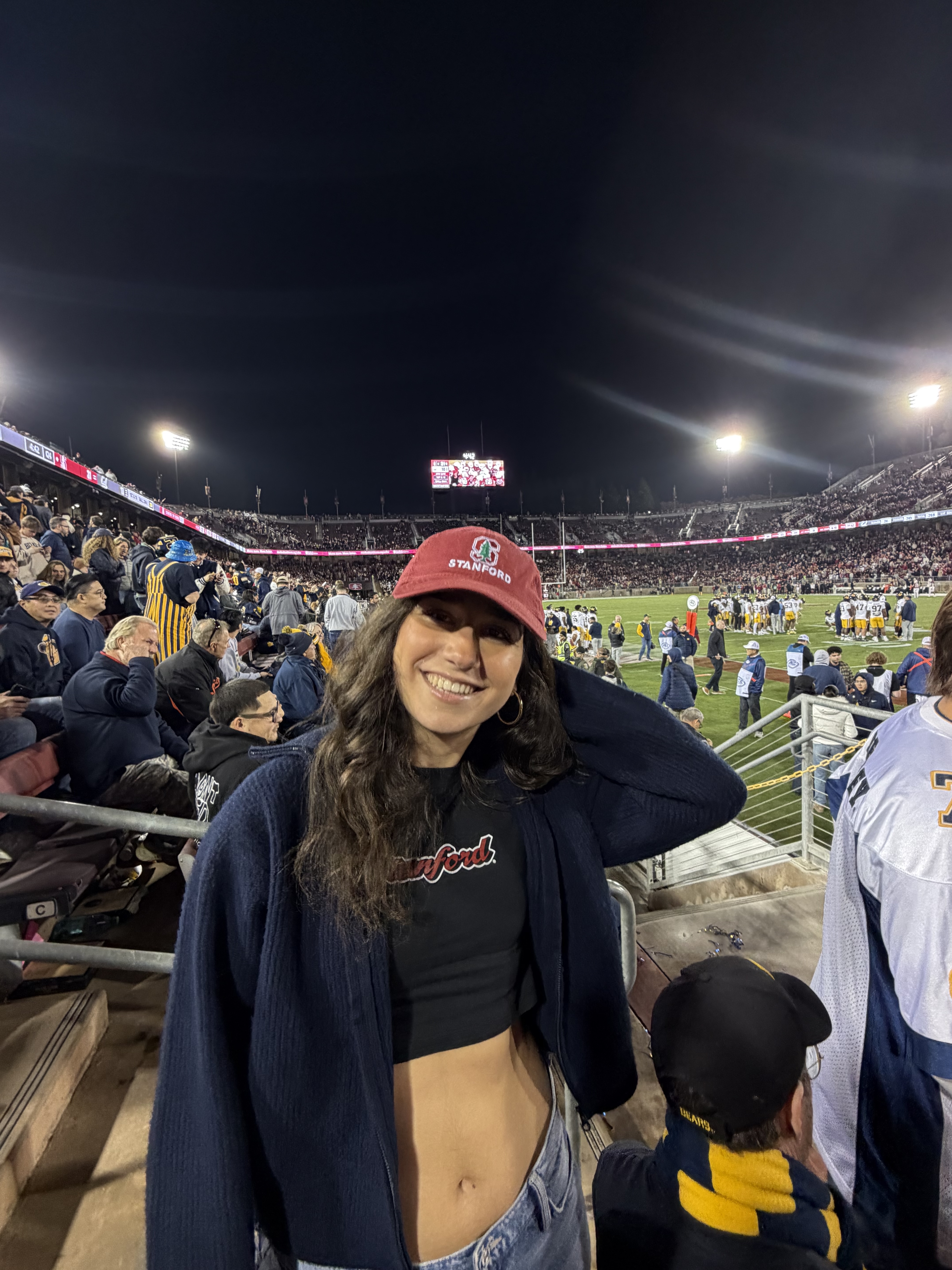
Marie at the football game at Stanford
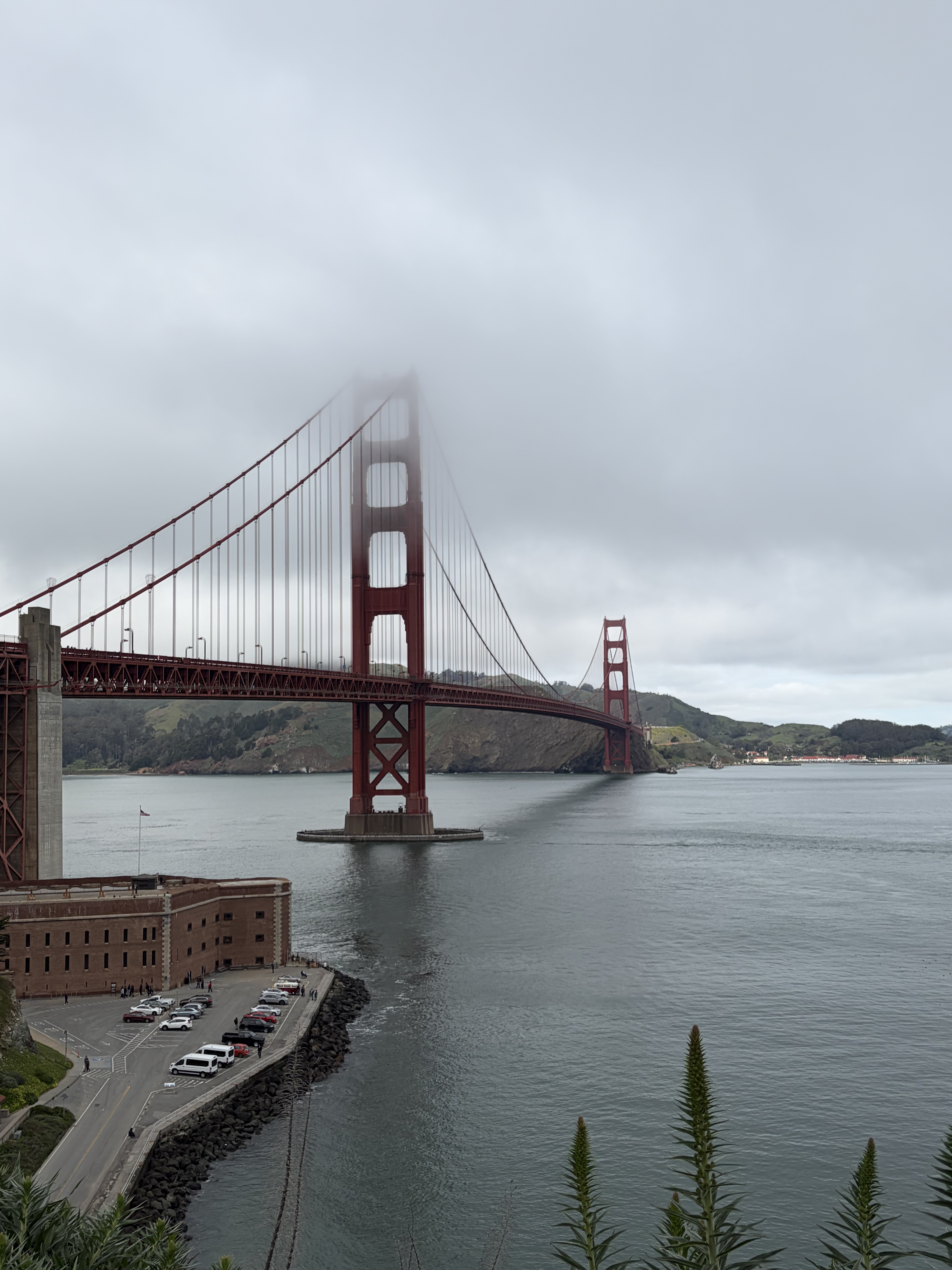
Golden Gate Bridge
All Pictures - courtesy of Marie
Other interviews with women engineers:
Meet our Community - Fanny Thublier (Li 209)
Meet our Community - Basma Aiouche (Cl 214)
Meet our Community - Soazig Kaam (Bo 209)
- Details
March is International Women's History Month and International Women's Day is celebrated on March 8th! This month in our blog, we would like to highlight a few very inspiring and motivational journeys of A&M female students and former students. Today our interviewee is Bénédicte Maurel (Li 223).
AFAM: Hello Bénédicte, and thank you for being with us today. You are a master’s student at Columbia University, who went through the parcours US program. Could you please tell us a few words about the road that led you to Arts et Metiers and most importantly why and when you decided to become an engineer?
Bénédicte: I come from a family of engineers, which naturally influenced my path. My father works in the semiconductor industry for a French company operating in the U.S., and my sister is also an engineer. From an early age, I was exposed to this environment, which sparked my interest in engineering. I chose Arts et Métiers because of its strong traditions, its powerful alumni network, and the quality of its engineering education. It felt like the perfect place to build both technical skills and meaningful connections.
AFAM: Could you tell us a bit more about your life and studies at Columbia University? What are your favorite classes and what do you enjoy the most about your education journey?
Bénédicte: Studying at Columbia University is truly a dream for me. Being in the heart of New York City and surrounded by such a diverse and international community is incredibly enriching. The professors are excellent, and the academic environment is very stimulating. One of the things I enjoy most about my master’s program is the opportunity to take courses at the business school, which allows me to broaden my skill set beyond engineering. I am learning a wide range of subjects, and my favorite courses so far are Optimization Models and Methods and Risk Management.
AFAM: what was the most challenging for you in the US (or maybe before coming to the US)?
Bénédicte: I had already lived in the U.S. before, so I was somewhat familiar with the culture. However, the most challenging part was arriving at such a large university and adapting to life in New York City. It can feel overwhelming at first. That said, what makes New York so special is its diversity. There are people from all over the world, so accents and cultural differences are not barriers at all—they actually make the experience even richer.
AFAM: Can you share a little bit about your future plans?
Bénédicte: My goal is to find a job in the U.S. and continue my professional journey here if possible. I am also very interested in participating in a humanitarian project in the future, as I would love to combine my skills with a meaningful cause.
AFAM: You live in New York City. How do you like it? How do you spend your free time?
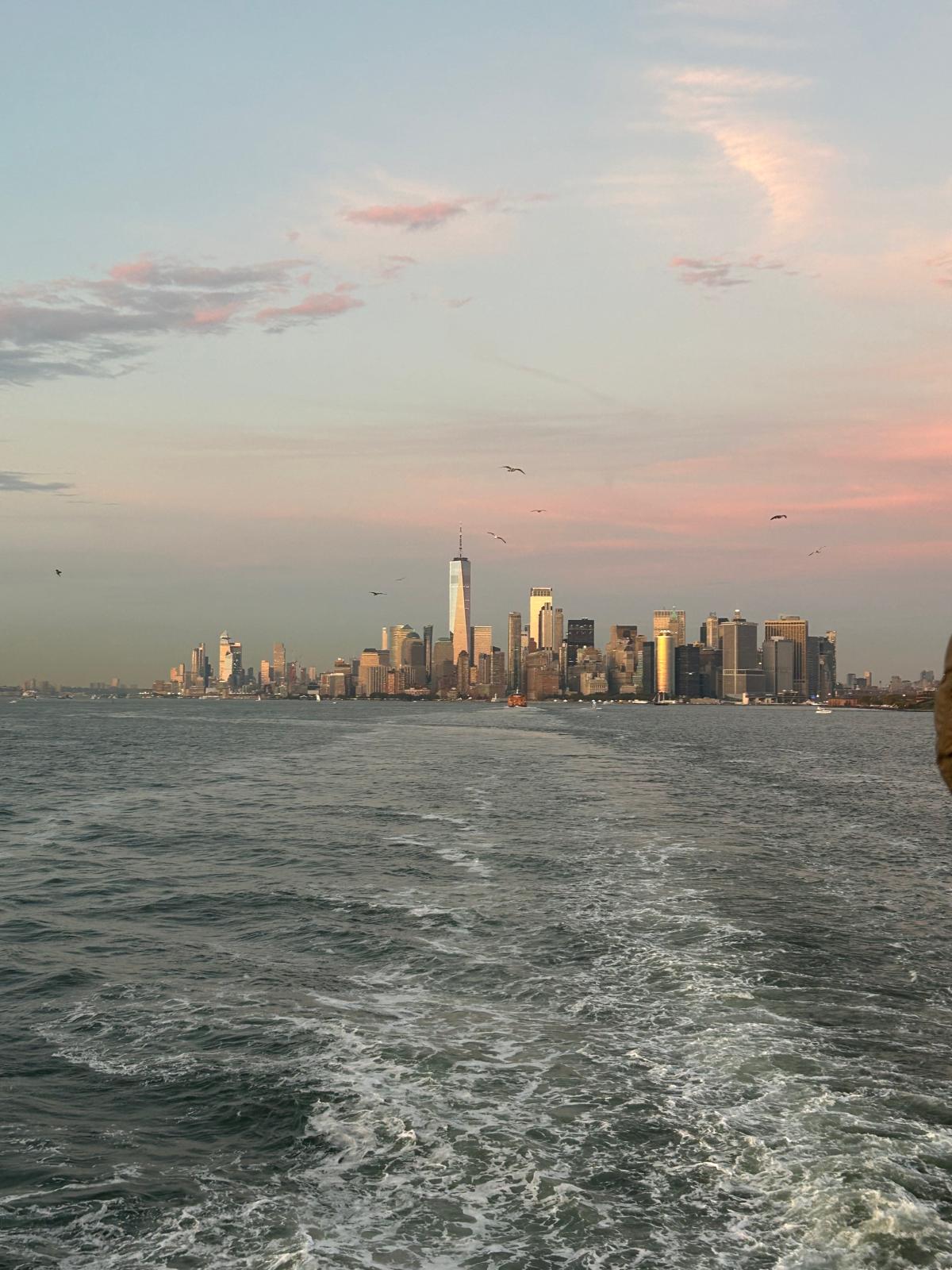
Bénédicte: I absolutely love New York City. I had the chance to visit as a tourist before, but living here is a completely different experience. In my free time, I enjoy running in Central Park, exploring different neighborhoods, and watching the sunset over the city. I also take advantage of student discounts through Columbia to visit places like the Empire State Building or museums. There is always something to discover, which makes life here very exciting.
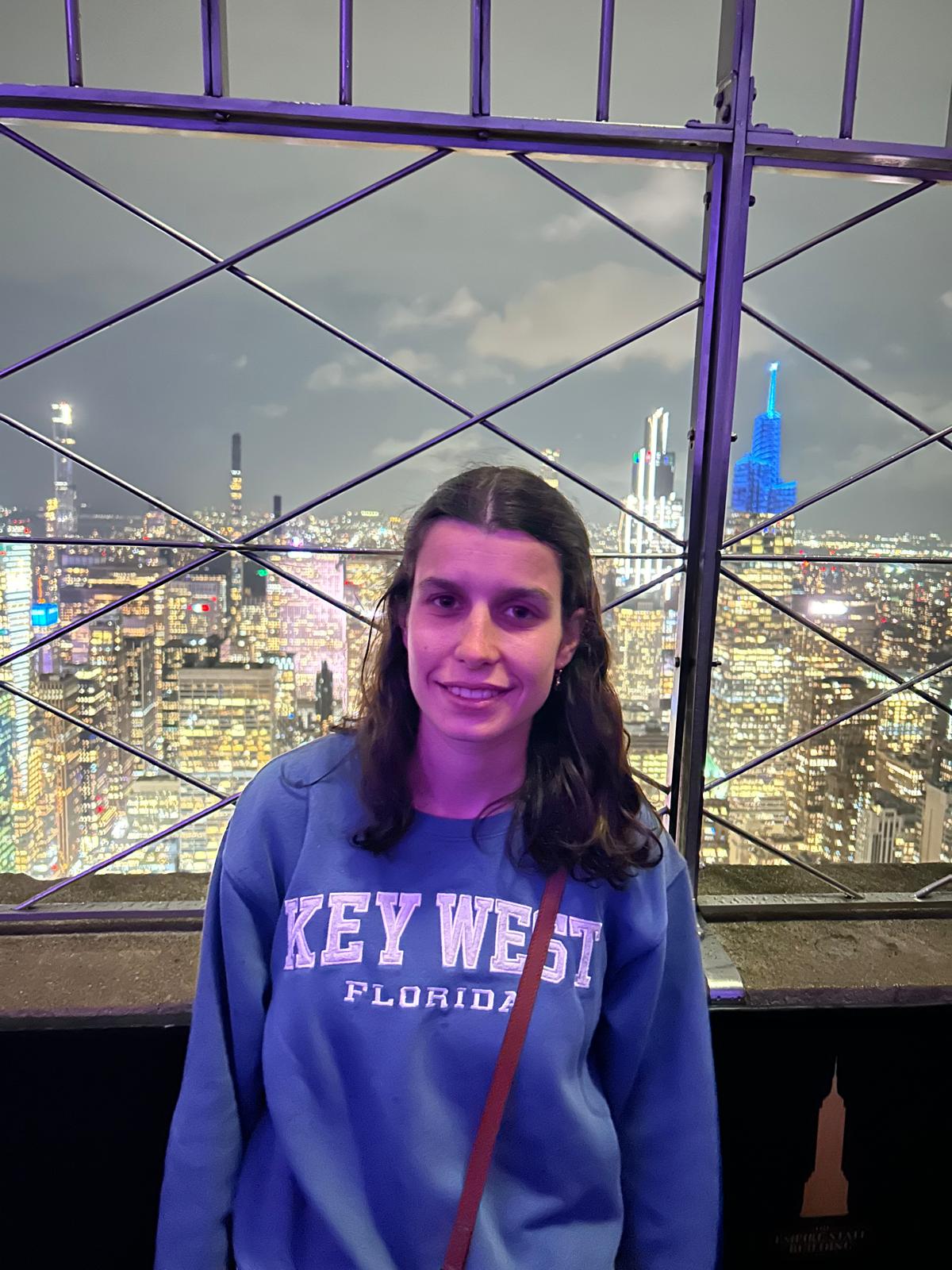
Bénédicte, view from Empire State Building
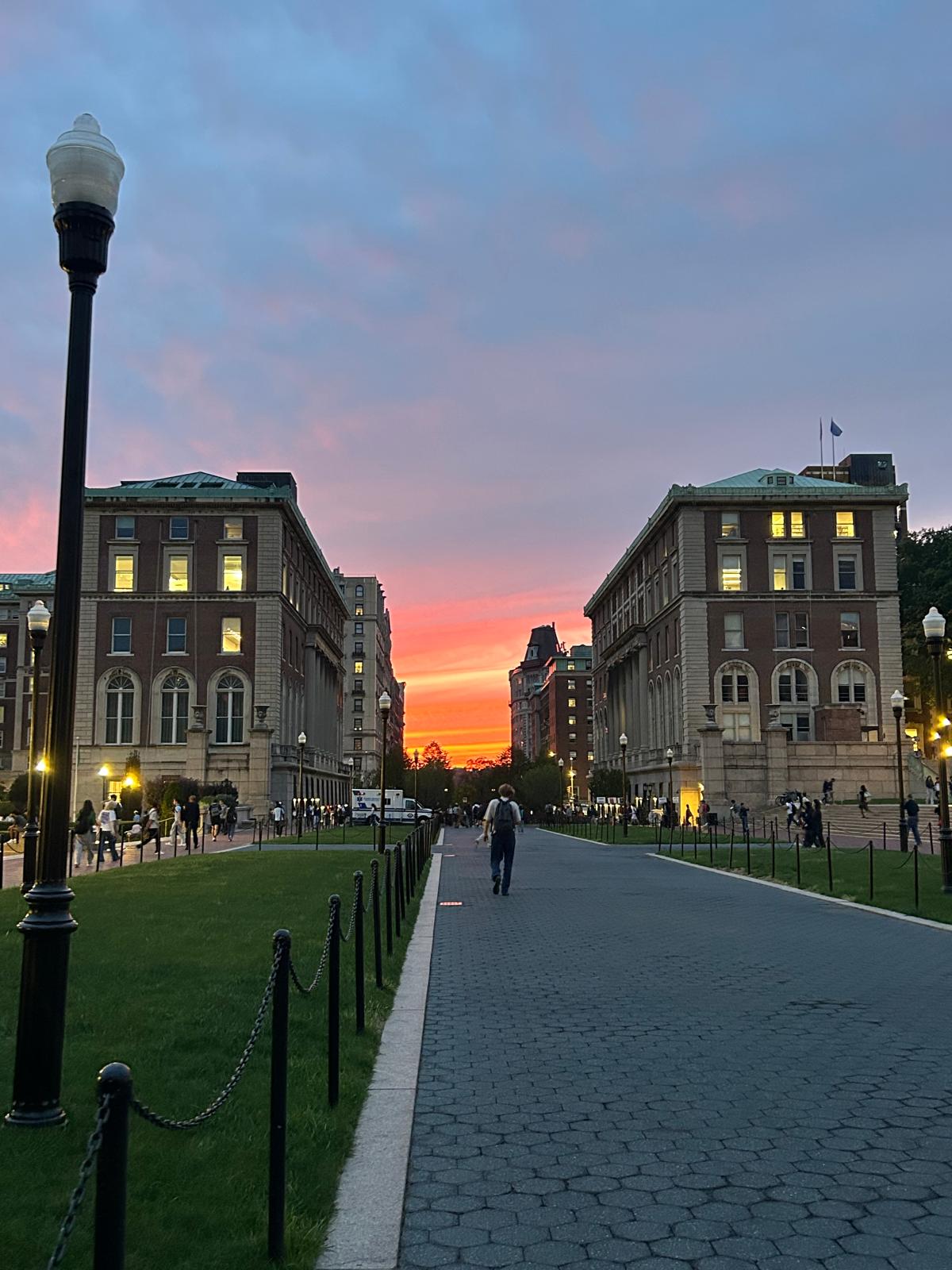
Columbia University campus
All pictures: courtesy of Bénédicte
- Details
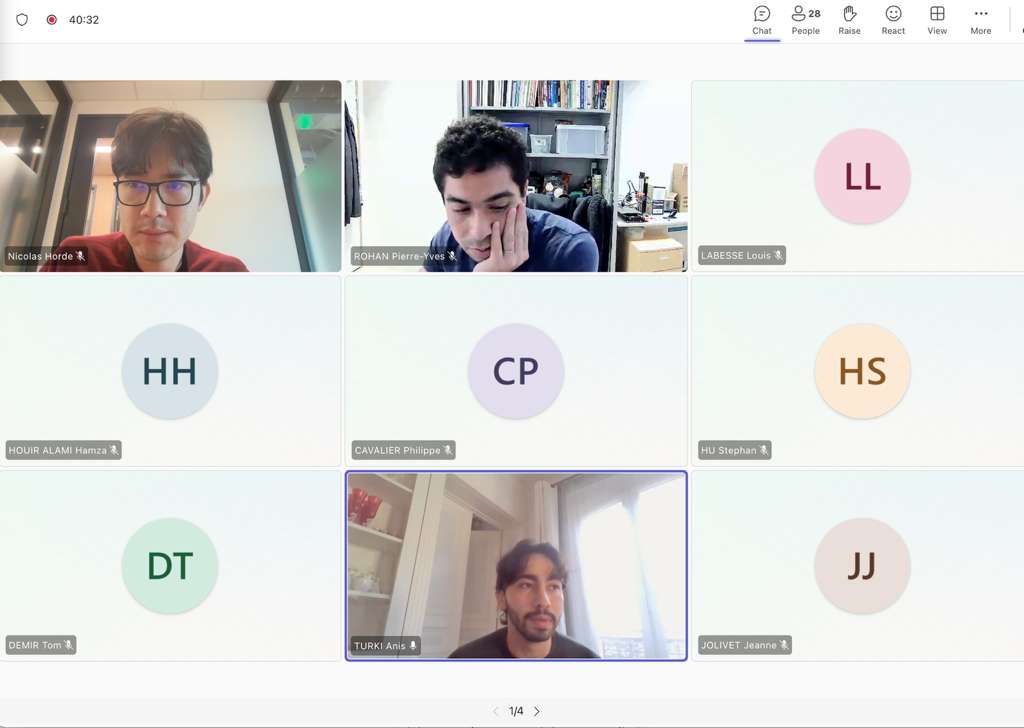
On March 18th, first year Arts et Metiers students interested in joining the parcours US program, offered by their school, participated in an informational session to learn more about the parcours US program - what to expect, how to prepare and to hear testimonials from former parcours US students and alumni.
Many thanks you to Pierre-Yves Rohan, parcours US program director, for organizing the session.
San Francisco-based Arts et Metiers alumnus, Nicolas Horde ( Ai 214), West Coast group president, also participated in this session sharing his journey from joining the parcours US program himself to his current position as an engineer for a Silicon Valley-based company - with young Gadz'Arts students.
AFAM looks forward to welcoming and supporting new members of US-based Gadz'Arts community next year!
- Interschool San Francisco Alumni Happy Hour with ESSEC, Sciences Po, Arts et Metiers & other schools
- “Why Consulting?” - Interview with Hervé Wilczynski (Cl 186)
- “People and Robots”: Interview with Quentin Daurat (Me 221)
- Galette des Rois 2026 - SF
- Texas French Alumni Network kicked off 2026 with a bang!
 BLOG /
  CALENDAR /
  DONATIONS /
  MENTORS /